
 Google Play
 Huawei AppGallery
 Samsung Store
Who Are the Swahili People? Identity, Language & Heritage
Who Are the Swahili People? Identity, Language & HeritageThe Swahili people constitute a distinct ethnic and cultural group found predominantly along the Ea...
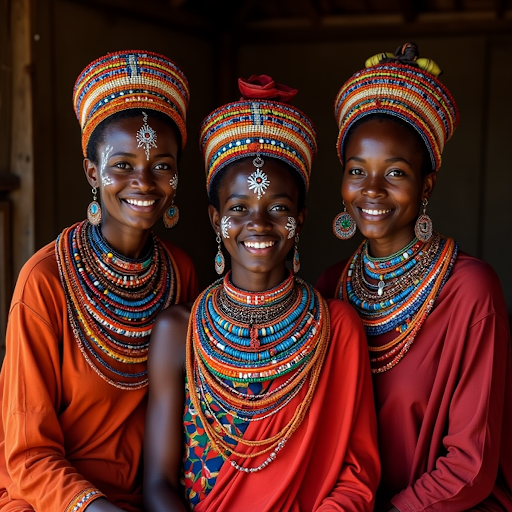
Who Are the Swahili People? Identity, Language & Heritage
The Swahili people constitute a distinct ethnic and cultural group found predominantly along the East African coast. Their presence is most notable in countries such as Tanzania, Kenya, Mozambique, and parts of the Democratic Republic of Congo. Their rich history and vibrant culture are a unique blend of African, Arab, Persian, and Indian influences, all resulting from centuries of extensive trade and profound interaction across the Indian Ocean.
Identity and Ethnicity
The identity of the Swahili people is intrinsically linked to their coastal geography and their historical role as key traders.
- Core Identifiers: Traditionally, the Swahili have primarily identified themselves through their community, their Islamic religion, and the prominence of their coastal city-states, which include historical centers like Zanzibar, Mombasa, and Lamu.
- Islamic Influence: The cultural landscape of these city-states was profoundly shaped by Islamic practices introduced by Arab merchants and settlers. Over time, the Swahili cultivated a distinct identity that not only embraced Islam but also seamlessly integrated various aspects of indigenous African traditions.
- The Term "Swahili": The term "Swahili" itself originates from the Arabic word "sahil," meaning "coast," a clear reflection of their maritime heritage and deep connections to the Arab world.
- Complex and Fluid Identity: The ethnic identity of the Swahili is both complex and fluid, encompassing individuals who may identify as African, Arab, or a blend of both, depending on their personal and familial histories. The core unifying features of Swahili identity include:
- The widespread use of the Swahili language.
- Adherence to Islam.
- A strong communal way of life.
Language
The Swahili language, or Kiswahili, is a cornerstone of their identity and a vital communication tool across East Africa.
- Bantu with Arabic Influence: Kiswahili is fundamentally a Bantu language, but it has adopted a significant number of vocabulary elements from Arabic. This linguistic borrowing is a direct result of centuries of intensive trade and cultural interaction along the coast.
- Lingua Franca: It serves as a primary means of communication for millions of people throughout East Africa, effectively functioning as a lingua franca that bridges diverse ethnic groups. While the languages of neighboring communities persist, Swahili plays an absolutely crucial role in fostering unity and facilitating both social and economic interactions.
- Rich Literature: Kiswahili boasts a rich and varied literary tradition, showcasing a long history of oral storytelling, poetry, and proverbs. These literary forms are central to preserving Swahili culture and transmitting core values. Notable works include historical accounts, adventurous tales, and expressions of daily life, reflecting both the challenges and triumphs of the Swahili people
Heritage and Traditions
The heritage of the Swahili people is characterized by a vibrant tapestry of traditions that proudly celebrate their history and unique cultural practices.
- Architectural Fusion: Architectural styles found in coastal towns exhibit a beautiful blend of Arabic, Persian, and African influences. This is evident in coral stone houses adorned with intricate woodwork and elaborately carved doors. This unique aesthetic is not only visually striking but also stands as a testament to the Swahili's historical connections to extensive trade routes and cultural exchanges.
- Diverse Cuisine: The culinary traditions of the Swahili are equally diverse, featuring a wide variety of spices that clearly reflect their historical trade connections. Dishes such as biryani, pilau, and samosas embody this rich mixture of influences and are cherished staples at social gatherings, festivals, and religious celebrations.
- Community Festivals: Festivals like Eid al-Fitr and various Swahili cultural festivals provide invaluable opportunities for community bonding. These events are vibrant showcases for traditional music, dance, and crafts. Crucially, they serve as vital mechanisms for passing down cultural practices and knowledge to younger generations, ensuring the continuity of Swahili heritage in an ever-changing world.
In conclusion, the Swahili people are a vibrant and dynamic ethnic group with a unique identity profoundly shaped by centuries of trade, extensive cultural exchange, and intricate historical interactions with numerous civilizations. Their language, customs, and rich heritage continue to thrive and evolve, reflecting the enduring legacy of this fascinating community along the East African coast.