
Unlocking the Fula Language: Africa's Nomadic Voice
Step into the savannas with the Fula language, spoken by millions across West Africa. Uncover its nomadic roots, oral treasures, and tips to speak like a local, all while boosting your cultural horizons.
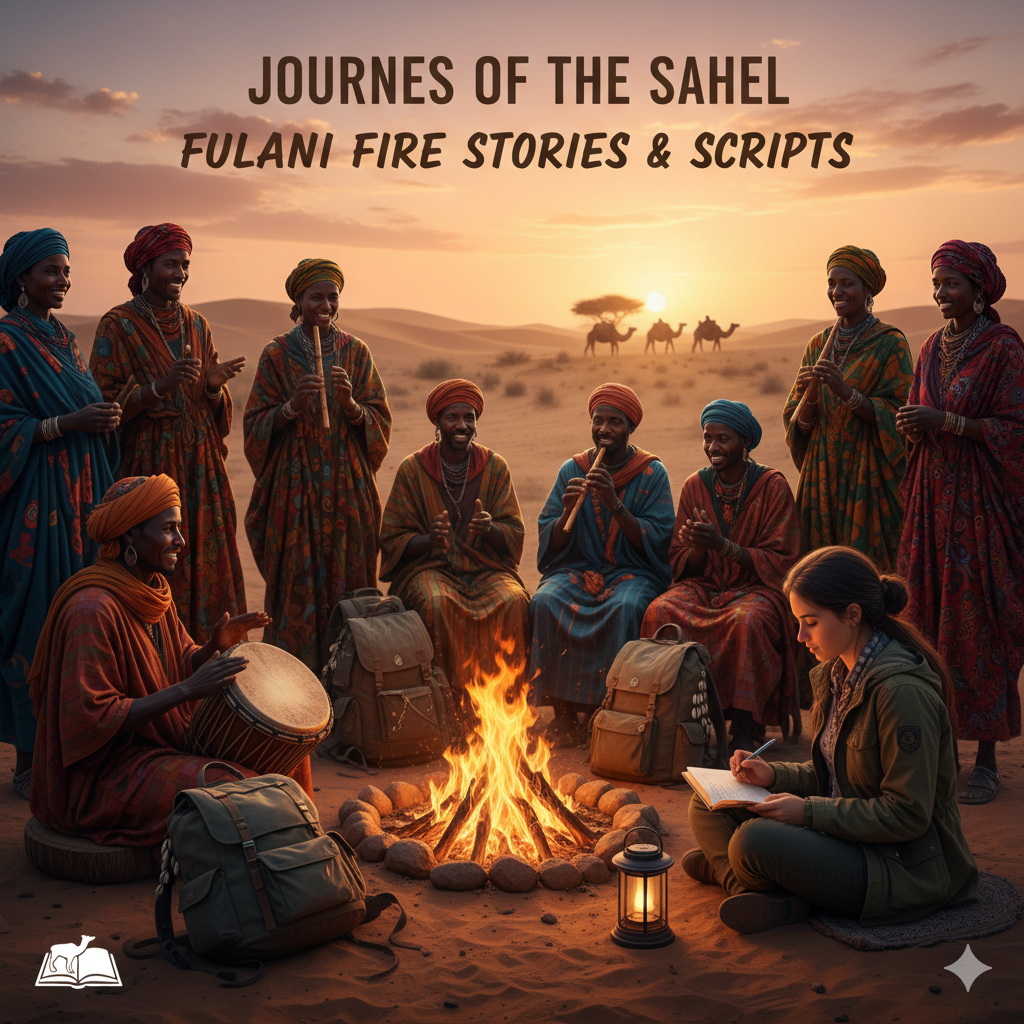
Unlocking the Fula Language: Africa's Nomadic Voice
Imagine wandering the vast savannas of West Africa, where the rhythm of cattle bells mixes with tales told under starlit skies. This is the world of the Fula language, a vibrant thread weaving through the lives of millions. Spoken by nomadic herders and urban dwellers alike, Fula invites you into a culture rich with history and resilience.
The Fula language, also known as Fulfulde or Fulani, stretches across borders like the herds its speakers tend. It's more than words. It's a gateway to understanding Africa's diverse heart.
The Roots of Fula: From Ancient Origins to Dialect Diversity
Early Beginnings in the Sahel
The Fula language traces its origins to the Senegambian region, part of the broader Niger-Congo family. Early records place Fulani communities near ancient Ghana around the 11th century, though their roots likely run deeper into North African migrations. Nomadic pastoralists by nature, the Fulani people carried the language southward, blending it with local tongues along trade routes.
This movement shaped Fula into a dialect continuum, with variations from Senegal to Sudan. What started as a tool for herders to communicate across vast distances evolved through centuries of interaction. Today, it reflects the Fulani's adaptability in a changing world.
Development Through Oral and Written Traditions
Fula's growth owes much to its strong oral heritage. Griots, or storytellers, passed down epics, proverbs, and songs that preserved clan histories and moral lessons. These narratives, recited in rhythmic verse, kept the language alive amid migrations and conflicts.
By the 19th century, Islamic influences introduced the Ajami script, adapting Arabic letters to Fula sounds. Colonial eras brought Latin script, now dominant in education. This evolution highlights Fula's resilience. It turned a spoken code of nomads into a written legacy for future generations.
For a deeper dive into African linguistic histories, check out this Malegado piece on [Swahili civilization's trade and cultural exchanges](https://www.malegado.com/en/articles/swahili-civilization-a-history-of-trade-islam-and-cultural-exchange). It shows how languages like Fula and Swahili intertwined through shared paths.
Fula in the Modern World: Bridging Communities and Cultures
A Language of Unity Across Borders
With over 36 million speakers, Fula ranks among Africa's most widespread tongues. It unites Fulani communities from Mauritania to Cameroon, fostering ties in a region marked by diversity. In countries like Guinea and Mali, it's a national language, taught in schools alongside others like Bambara.
This reach matters for trade and social bonds. Herders use it to negotiate markets, while urban youth blend it with French or English in daily life. Fula's dialects, though varied, create a shared identity that transcends national lines.
Cultural Pride and Global Relevance
In today's globalized landscape, Fula fuels cultural pride. Festivals feature Fula music with flutes and drums, drawing crowds to celebrate heritage. It's also key in preserving folklore amid urbanization, where younger generations risk losing touch with ancestral stories.
Tourism benefits too. Visitors to Fulani heartlands, like Senegal's Ferlo region, gain authentic insights through local guides speaking Fula. This language enriches travel, turning trips into meaningful exchanges. As Britannica notes, Fula's scatter across savannas underscores its role in Africa's linguistic mosaic [Fula language on Britannica](https://www.britannica.com/topic/Fula-language).
Educationally, Fula supports bilingual programs, helping children bridge home and school worlds. Its modern vitality lies in this balance of tradition and progress.
Practical Tips for Learning Fula and Embracing Fulani Culture
Start with Essential Greetings and Phrases
Diving into Fula begins with greetings, the heartbeat of Fulani social life. "Jam waali" means good morning, inviting warm responses that build instant rapport. Practice these in context, like at a market stall, to feel the language's flow.
Pronunciation is melodic, with nasal sounds and tonal shifts. Listen to recordings of native speakers reciting proverbs, such as "A cow without a tail is like a person without friends." Repeat them daily to grasp the rhythm.
Immerse in Oral Traditions and Daily Practices
Fulani culture thrives on storytelling, so seek out griot performances online or in communities. These sessions teach vocabulary through vivid tales of heroes and herds. Pair this with cultural practices, like learning cattle-counting terms if you're near pastoral areas.
For visitors, respect nomadic etiquette: offer tea before questions, and use Fula phrases to show curiosity. In urban settings, join music circles where songs in Fula reveal poetic depths. These tips make learning active and tied to real-life joy.
Travelers exploring ancient sites might find parallels in how languages preserve history, much like in this Malegado guide to [Rome's Colosseum as a UNESCO wonder](https://www.malegado.com/en/articles/the-colosseum-rome-s-eternal-arena-and-unesco-wonder). Both highlight enduring cultural voices.
Resources for Deeper Practice
Grab a beginner's manual, like those from Peace Corps for the Pulaar dialect, focusing on dialogues and grammar. Apps with audio drills help with verb conjugations, which follow a noun-class system unique to African languages. Consistency is key: aim for 15 minutes daily, weaving in cultural podcasts for fun.
How Malegado Makes Learning Fula Effortless
Malegado turns the challenge of Fula into an adventure. Our interactive lessons break down dialects, starting with common phrases for travelers or herders alike. Whether you're prepping for a Sahel trip or connecting with Fulani friends, bite-sized modules fit your pace.
Tutoring pairs you with native speakers for live chats, practicing proverbs over video. It's like sitting by a campfire with a griot, but from your couch. Our community forums buzz with user stories, from market haggling tips to festival invites.
Cultural content dives deeper: videos of Fulani music sessions, annotated with Fula subtitles and English glosses. Explore virtual tours of herding life, quizzing on key terms. Malegado's all-in-one hub blends lessons, tutors, and connections, making Fula accessible and alive.
No more isolated flashcards. Here, language learning meets cultural discovery, tailored for curious minds.
Step into the Fula World Today
The Fula language whispers stories of endless horizons and unbreakable bonds. It reminds us that words can herd dreams across continents. Ready to add your voice to this chorus?
Join Malegado now. Start with a free lesson on Fula greetings, and watch your world expand. Your nomadic journey awaits.