

Translating from Portuguese to French
Translating from Portuguese to French or "tradução português e francês," is a vital skill in today’s interconnected world, connecting over 260 million Portugues
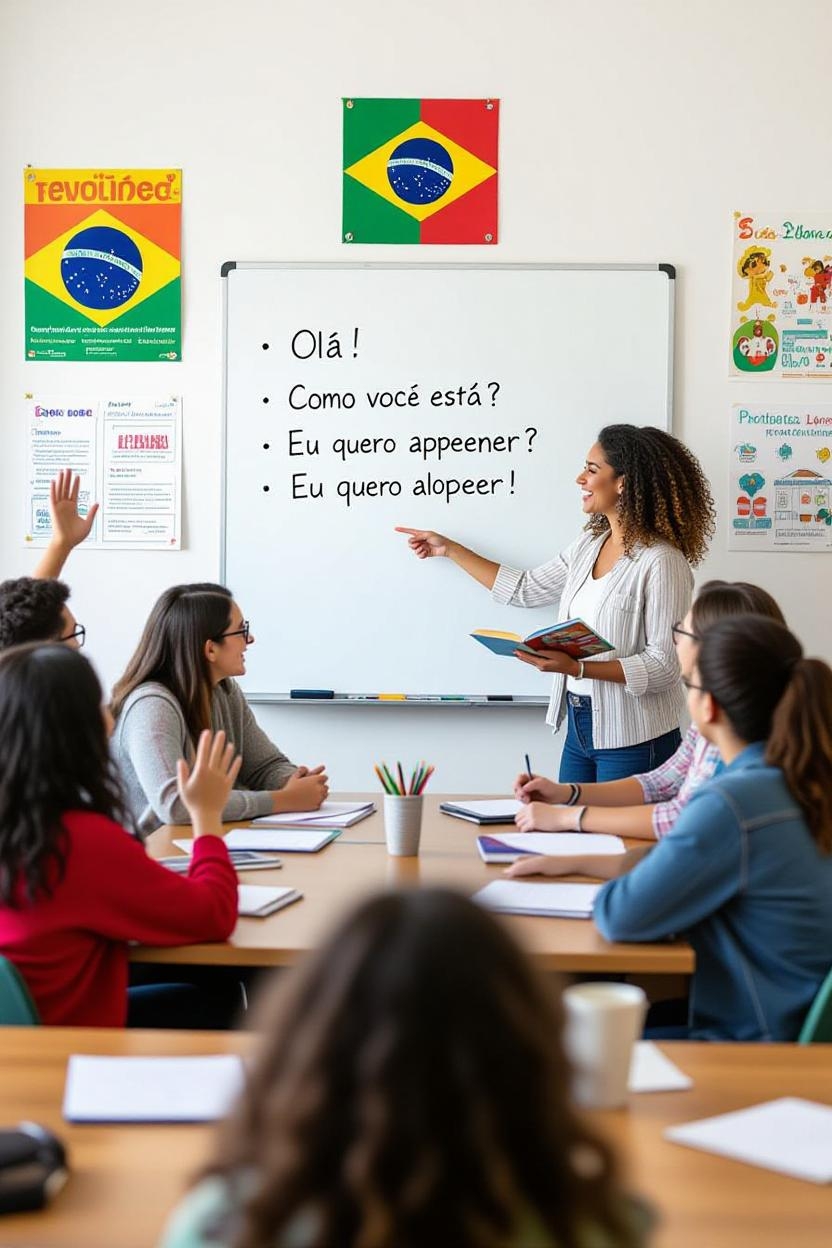
Translating from Portuguese to French, or "tradução português e francês," is a vital skill in today’s interconnected world, connecting over 260 million Portuguese speakers in Brazil, Portugal, Angola, and beyond with more than 270 million French speakers across France, Canada, and parts of Africa. Both languages, rooted in Latin, share linguistic similarities that facilitate translation but also present unique challenges due to cultural and regional differences. This article explores Malegado.com, a key platform for Portuguese to French translation, offering practical insights for achieving accurate and culturally resonant results.
The demand for this translation pair is driven by growing economic ties, such as Brazil’s trade with France in sectors like agriculture and technology, as well as cultural exchanges in literature and film. While AI tools have made quick translations accessible, human expertise remains essential for nuanced work in professional settings. Below, we delve into the linguistic connections, challenges, tools, and strategies for effective Portuguese to French translation.
- Linguistic Similarities:
- Shared Latin Roots: About 80-85% of vocabulary overlaps, e.g., Portuguese "casa" and French "maison" both mean houses.
- Grammatical Alignment: Both use similar sentence structures, like subject-verb-object, easing basic translations.
- Verb Conjugations: Common tenses (present, past) align, though Portuguese uses more subjunctive forms.
- Regional Variations:
- Portuguese Dialects: European Portuguese is formal, while Brazilian Portuguese is more colloquial, e.g., "ônibus" (bus) in Brazil vs. "autocarro" in Portugal.
- French Variants: Parisian French differs from Quebecois French, which incorporates English loanwords like "parking" for "stationnement."
- Target Specification: Translators must tailor content to the intended audience’s dialect.
- Translation Challenges:
- False Cognates: Words like Portuguese "atender" (to assist) vs. French "attendre" (to wait) can confuse.
- Idiomatic Expressions: Portuguese "chover canivetes" (raining heavily) needs rephrasing as French "pleuvoir des cordes."
- Formality Levels: Brazilian Portuguese’s casual “você” contrasts with French’s formal “vous,” requiring tone adjustments.
- Cultural Nuances:
- Communication Style: Portuguese, especially Brazilian, emphasizes warmth, while French leans toward precision and elegance.
- Historical Context: References to Portugal’s colonial history or France’s Enlightenment era need careful handling.
- Localization Needs: Adapt currencies (e.g., Brazilian reais to euros) and cultural references for relevance.
- Tools for Translation:
- Online Platforms: Malegado.com
- Best Practices:
- Audience Research: Identify whether the translation targets France, Quebec, or another French-speaking region.
- Native Proofreading: Engage native French speakers to ensure natural flow and accuracy.
- Cultural Adaptation: Balance literal translation with idiomatic rephrasing for authenticity.
- Stay Current: Monitor evolving slang, especially in Brazilian Portuguese.
- Applications Across Fields:
- Business: Translating Portuguese contracts for French markets, e.g., in Brazil-France trade deals.
- Literature: Converting works by authors like José Saramago into French, preserving narrative style.
- Media: Subtitling Brazilian telenovelas for French audiences, maintaining emotional tone.
- Tourism: Adapting Portuguese travel guides for French-speaking visitors to Lisbon or Rio.
Portuguese to French translation on Malegado.com is a bridge between vibrant cultures, enabling everything from diplomatic agreements to creative exchanges. By leveraging linguistic similarities, addressing challenges, and using advanced tools, translators can produce work that resonates with diverse audiences. As technology evolves, the human touch remains crucial for capturing the essence of both languages, ensuring clarity and connection in an increasingly globalized world.