
The Soulful Symphony of African Musical Instruments
African musical instruments like the kora, mbira, and talking drums carry stories across generations. Journey through rhythms that shaped the world.
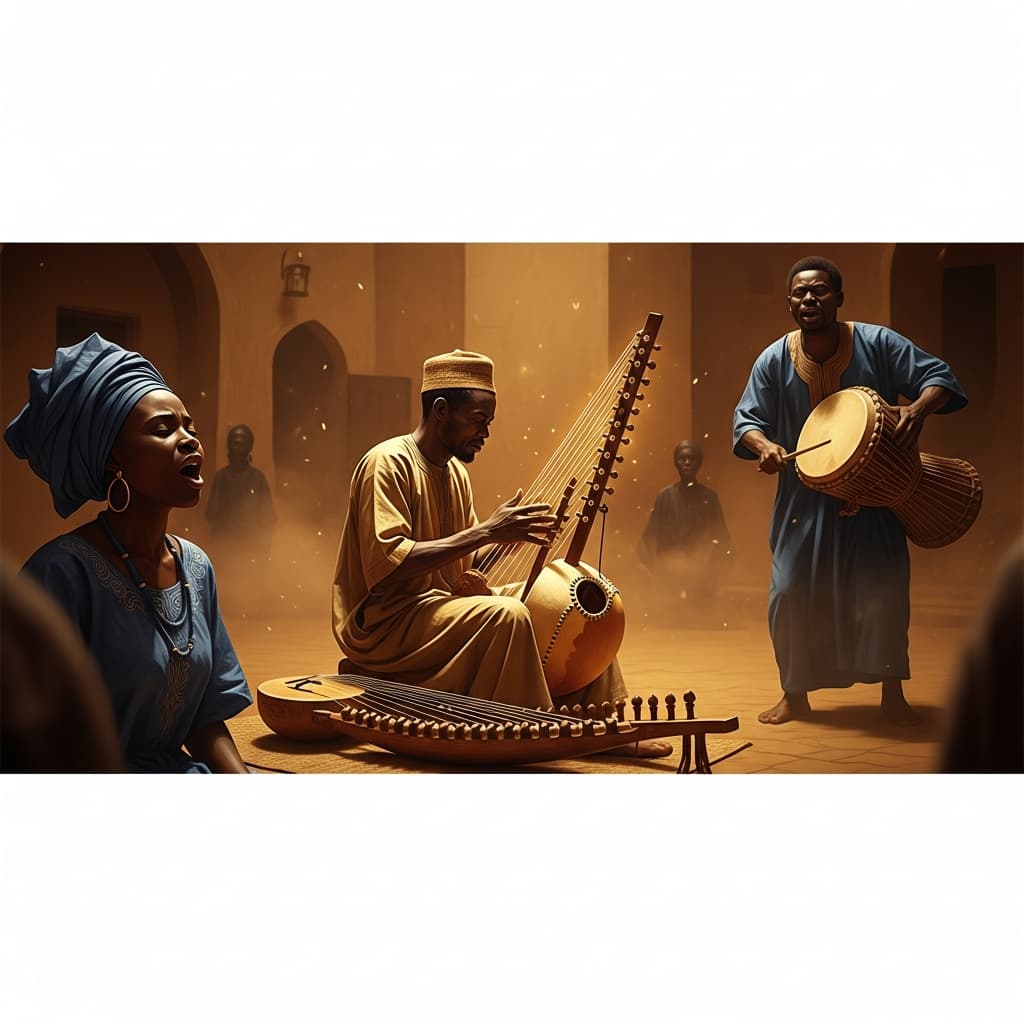
Close your eyes and feel the deep pulse of a djembe drum shaking the earth beneath your feet. Hear the delicate plucks of a kora string singing like a waterfall of stars. African musical instruments are not just tools for sound. They are storytellers, healers, messengers, and bridges between the living and the ancestors. From the talking drums of West Africa to the thumb pianos of Zimbabwe, these instruments carry the heartbeat of over 3,000 ethnic groups across 54 nations. Whether you’re learning a new language through rhythm or planning a cultural safari, African musical instruments open a world of sonic discovery.
Crafted from gourds, skins, wood, and metal, these instruments blend nature and craftsmanship. They speak in tonal languages, preserve history, and fuel global genres like jazz, blues, and hip-hop. Let’s explore their origins, regions, and why they still resonate today.
A Deep Dive into the History of African Musical Instruments
The story of African musical instruments begins over 40,000 years ago. Bone flutes found in South Africa’s Drakensberg Mountains are among the world’s oldest known instruments. Rock art from the Sahara (8000–4000 BCE) shows dancers with rattles and bows, proving music was central to ritual and community.
By the Iron Age (500 BCE), Bantu migrations spread xylophones, bells, and slit drums across sub-Saharan Africa. The Mali Empire (13th–16th century) perfected the kora, a 21-string harp-lute played by griots (oral historians). Egypt’s ancient harps and lyres influenced North African lutes. Trade routes brought Arab ouds to Swahili coasts, birthing taarab ensembles.
Colonial contact introduced brass bands and guitars, sparking urban genres. Yet traditional instruments endured. The mbira (thumb piano) of the Shona people guided liberation songs during Zimbabwe’s independence. As UNESCO notes, the mbira remains a spiritual anchor, recognized as intangible cultural heritage.
Types of African Musical Instruments: A Family of Sound
African instruments fall into four main categories, each with regional stars.
Membranophones: The Drums That Speak
Drums dominate. The djembe (Mali, Guinea) uses goat skin for sharp slaps and deep bass. Talking drums (Yoruba, Akan) mimic tonal speech, sending messages miles away. Ngoma drums (East/Southern Africa) power ceremonies. Sabar (Senegal) drives mbalax with high-pitched cracks.
Chordophones: Strings That Sing Stories
The kora (Mandinka) blends harp and lute, with griots weaving epics. The ngoni (West Africa), a spiked lute, is the banjo’s ancestor. Inanga (Burundi) whispers trough zithers. Valiha (Madagascar) uses bamboo tubes for ethereal tones.
Idiophones: Percussion That Shimmers
Mbira (Zimbabwe) uses metal tines on a wooden board, played in a gourd resonator. Balafon (West Africa) is a wooden xylophone with gourd resonators. Udu (Igbo, Nigeria), a clay pot drum, creates watery pops. Shekere (Yoruba) shakes beads in a gourd net.
Aerophones: Winds That Whisper and Roar
Fulani flutes (West Africa) guide cattle herders. Kudu horns (Southern Africa) signal hunts. Algaita (Hausa, Nigeria), a double-reed oboe, pierces wedding processions.
Regional Spotlight: Instruments by Culture and Geography
Africa’s diversity shines through its regional soundscapes.
West Africa: Rhythmic Powerhouses
Mali’s kora and balafon accompany griot tales. Senegal’s sabar and tama (talking drum) fuel mbalax. Ghana’s fontomfrom royal drums announce Ashanti kings. Nigeria’s dundun hourglass drums “talk” in Yoruba. The seprewa harp-lute adds melody to highlife.
Central Africa: Guitar Roots and Dance Beats
Congo’s likembe (thumb piano) inspired soukous guitar riffs. Ndombolo uses electronic drums, but traditional lokole slit drums remain. Cameroon’s makossa features bass-heavy balafon.
East Africa: Harmonic and Poetic Tones
Tanzania’s taarab blends oud, qanun, and violin. Kenya’s nyatiti lyre tells Luo epics. Ethiopia’s krar (6-string lyre) backs azmari poets. Madagascar’s valiha creates oceanic waves.
Southern Africa: Voices of Resilience
Zimbabwe’s mbira cycles hypnotic patterns in Shona ceremonies. South Africa’s marimba (xylophone) powers township music. Uhadi (Xhosa) musical bow hums with overtones. Lesiba (Sotho) feather-quill flute mimics birds.
North Africa: Ancient and Islamic Echoes
Morocco’s guembri (3-string bass lute) drives Gnawa trance. Algeria’s bendir frame drum pulses chaabi. Egypt’s ney flute evokes pharaonic roots.
Why African Musical Instruments Matter Today
These instruments preserve identity in a globalized world. The kora teaches Mandinka history. Mbira heals through spirit ceremonies. They boost tourism: Senegal’s drum festivals draw thousands. Globally, Paul Simon’s Graceland (1986) introduced mbube harmonies. Beyoncé sampled makossa rhythms.
Artisans empower communities. Mali’s kora makers train youth. South Africa’s marimba bands perform at schools. As BBC Culture explores, African instruments birthed blues, jazz, rock, and hip-hop. Learning them builds cross-cultural empathy and supports endangered crafts.
Hands-On Guide: Play, Learn, and Experience
Start small. Watch YouTube djembe tutorials. Buy a shekere and shake along to afrobeat. Visit local African cultural centers for workshops. In London, try the Horniman Museum’s instrument handling sessions. Travel? Join Mali’s Festival sur le Niger for kora concerts. Tanzania’s Bagamoyo Arts Festival showcases nyatiti.
Pair with language: Singing in Wolof improves mbalax pronunciation. Use apps to mimic talking drum tones in Yoruba. Record your own mbira loops. Support fair-trade shops like Africa Direct for authentic instruments.
How Malegado Makes African Instruments Your Learning Partner
Malegado turns culture into curriculum. Learn French to follow sabar lessons in Dakar. Study Portuguese for Angolan ngoma rhythms. Our tutors explain kora tuning in Mandinka context. Community forums share mbira tabs. Explore trade’s role in taarab instruments via this Malegado article on Swahili civilization. Translate drum patterns across languages with our French-Portuguese translator guide. From virtual jam sessions to cultural deep dives, Malegado is your all-in-one rhythm hub.
Let the Instruments Speak to You
African musical instruments are more than wood and skin. They are voices of ancestors, drums of joy, strings of memory. Play a kora note, strike a djembe, or pluck an mbira, and you join a 40,000-year conversation. Start your sonic journey on Malegado today. Who knows? Your next beat might echo from Timbuktu to Soweto.