
The Somali Language: A Deep Dive into East Africa’s Rich Tongues
Discover the Somali language’s rich history, unique sounds, and deep cultural roots in East Africa and the global Somali diaspora.
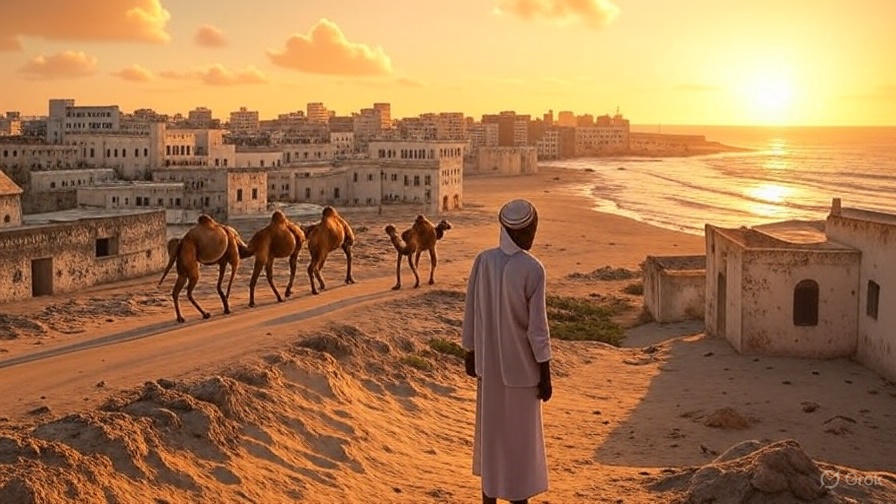
The Voice of the Horn of Africa.
The Somali language is more than a means of communication; it is the heartbeat of a people, a vessel of traditions, and a unifying thread that stretches across borders in the Horn of Africa. Spoken by over 25 million people worldwide, Somali is the official language of Somalia and a recognized language in Ethiopia, Djibouti, and Kenya. Beyond the African continent, large Somali-speaking communities flourish in diaspora hubs such as the United States, the United Kingdom, Canada, and the Middle East. This global presence has ensured that Somali culture and identity remain vibrant, even far from its geographical roots.
With its melodic intonation, poetic heritage, and deeply symbolic expressions, the Somali language reflects centuries of nomadic tradition, maritime trade, and cultural exchange. Whether heard in bustling Mogadishu markets, sung in ancient poems, or spoken in Somali cafés in Minneapolis, the language is a living testament to the resilience and adaptability of its speakers.
A Language Shaped by History
The Somali language belongs to the Cushitic branch of the Afroasiatic language family, linking it to other East African languages such as Oromo and Afar. For centuries, Somali was primarily an oral language, used in daily conversation, storytelling, and poetry. Oral tradition was central to Somali identity, with poetry often improvised and laden with metaphor serving as a key medium for history, politics, and social commentary.
The written form of Somali came much later. While Arabic script was historically used for religious and trade purposes, a standardized Latin-based orthography was officially adopted in 1972 under the government of Siad Barre. This reform aimed to improve literacy and unify education, allowing Somali to flourish in literature, media, and government documentation. Today, written Somali exists alongside oral traditions, blending modern literacy with ancient narrative forms.
Unique Features and Structure
Somali is known for its complex phonetic system, which includes a variety of consonant and vowel sounds uncommon in many other languages. It features tone distinctions, where the pitch can alter meaning a challenge for learners but a musical quality for native speakers. The grammar is highly inflected, with gendered nouns, rich verb conjugations, and a system of cases that modify meaning based on sentence structure.
Vocabulary in Somali is deeply tied to the environment and lifestyle of its speakers. Words related to camel herding, maritime navigation, and seasonal changes are abundant, reflecting the nomadic and coastal heritage of Somali society. The language also borrows from Arabic due to centuries of trade and Islamic scholarship, as well as from Italian and English as a result of colonial history.
The Cultural Significance of Somali
Language is inseparable from culture, and in Somali society, this bond is especially strong. Somali poetry is often referred to as the “national pastime” and is revered for its beauty, complexity, and power to influence public opinion. From traditional geeraar (short, martial poems) to gabay (long, intricate verse), poetic expression is a form of social dialogue, diplomacy, and resistance.
Somali is also the language of oral storytelling, where elders pass down folktales, proverbs, and moral lessons. These narratives not only entertain but also reinforce cultural values, ethical conduct, and community solidarity. In Somali music, the language’s rhythm and tonality enhance the emotional impact of songs, whether celebrating love, commemorating history, or rallying for social causes.
Where Somali is Spoken Today
Somali is the primary language of Somalia, but its reach extends far beyond its borders. In Ethiopia’s Somali Region, Djibouti, and northeastern Kenya, it is spoken as a major regional language. The Somali diaspora estimated at over two million has established vibrant communities abroad, where the language remains a cornerstone of identity.
Cities such as London, Toronto, and Minneapolis host Somali cultural centers, media outlets, and schools dedicated to teaching the language to younger generations. These efforts ensure that Somali thrives even in multicultural and multilingual environments, allowing children of the diaspora to maintain ties to their heritage.
Challenges and Opportunities for Somali in the Modern World
While Somali enjoys widespread use, it faces challenges common to many indigenous languages. In urban areas, younger generations may shift toward English, Arabic, or other dominant languages, particularly in diaspora settings. However, initiatives in education, media, and technology are helping to reverse this trend.
Digital platforms now offer Somali-language content from news outlets and YouTube channels to language-learning apps making it easier for learners and native speakers to connect. Social media has also become a tool for cultural preservation, with Somali influencers, poets, and educators sharing content that celebrates the language.
Malegado: Your Gateway to Somali Language and Culture
For those passionate about learning the Somali language or exploring Somali heritage, Malegado is one of the go-to platforms in Africa. It offers comprehensive information on cultural events, from poetry nights to heritage festivals, and features communities where people from different cultures unite to learn languages and share traditions. On the Malegado app and website, you can connect with native Somali speakers, join cultural discussions, and discover events happening anywhere in Africa.
Whether you want to dive deep into Somali oral traditions, pick up conversational Somali, or attend a cultural trust event celebrating Somali arts, Malegado brings together resources, communities, and opportunities under one roof truly living up to its promise of being “Where Culture, Community, and Creativity Meet.”
Conclusion:
A Living Language with a Global Heart
The Somali language is more than a set of words and grammar rules it is a living embodiment of history, identity, and creativity. Its resilience across centuries of migration, trade, and conflict speaks to the strength of the Somali people. Whether in the deserts of the Horn of Africa or in the bustling streets of diaspora cities, Somali continues to adapt, inspire, and unite its speakers.
By learning Somali, supporting cultural events, or simply appreciating its beauty, you participate in keeping this heritage alive. And with platforms like Malegado making cultural connection easier than ever, there has never been a better time to explore the richness of the Somali language.