
The Pulse of a Continent: Exploring African Dance
African dance pulses with polyrhythms and stories. Step into sabar, gumboot, and eskista traditions that connect communities across the continent.
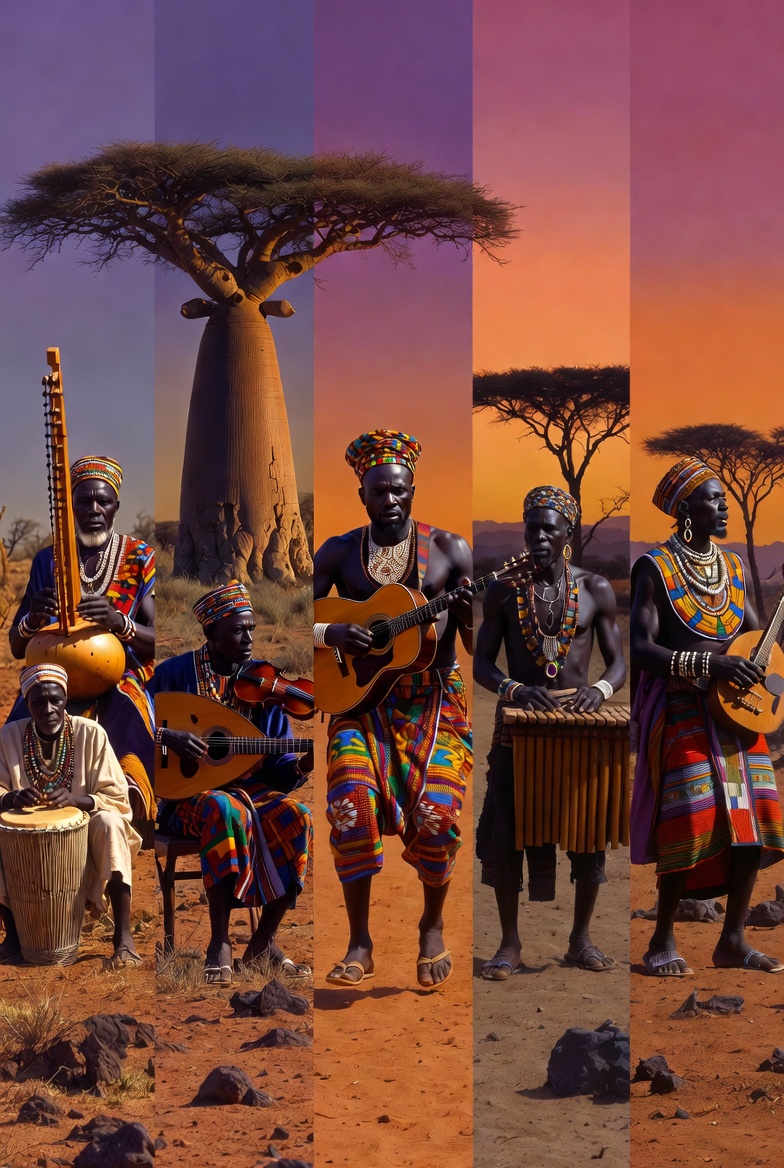
Feel the ground tremble under rapid footwork as a circle of dancers chants in unison, their bodies weaving stories of harvest, war, and love. African dance is more than movement. It is prayer, history, celebration, and community in motion. From the high-energy leaps of Maasai warriors to the fluid hip circles of West African sabar, these dances pulse across 54 countries and thousands of ethnic groups. Whether you’re learning French through mbalax rhythms or planning a trip to a Zimbabwean festival, African dance invites you to step into culture with your whole being.
Rooted in ritual and daily life, African dance uses polyrhythms, improvisation, and symbolism. It shaped global styles like salsa, hip-hop, and contemporary ballet. Let’s sway through its history, forms, and why it still sets the world spinning.
Tracing the Roots: A Historical Journey of African Dance
African dance dates back over 10,000 years. Rock paintings in Tanzania’s Kondoa region show group formations and adorned dancers from 8000 BCE. Ancient Egypt’s tomb reliefs depict acrobatic moves for gods like Hathor. By 500 BCE, West African kingdoms used dance in coronations and funerals.
Bantu migrations (1000 BCE–1000 CE) carried circle dances and initiation rites southward. The Mali Empire’s griots paired kora music with expressive gestures. Islamic influence added veiled elegance to North African guedra. The transatlantic slave trade fused African steps with European forms, birthing capoeira in Brazil and jazz dance in America.
Colonial bans failed to erase traditions. Post-independence, dances like South Africa’s toyi-toyi protested apartheid. Today, UNESCO safeguards forms like Mali’s Dogon mask dances as intangible heritage, ensuring their survival.
Core Elements: Rhythm, Symbolism, and Community
African dance thrives on polyrhythms: feet stomp 4/4 while hips swing 3/4. Call-and-response links dancers and drummers. Improvisation allows personal flair within group unity. Costumes amplify meaning: bells on Ankole ankles signal fertility, white clay on Dogon masks invokes spirits.
Styles vary. Adowa (Ghana) uses delicate hand gestures for Ashanti proverbs. Indlamu (Zulu) showcases high kicks and shields. Grounded stances connect to earth; leaps defy gravity. Gender roles flex: women lead Senegal’s sabar, men dominate Congo’s ndombolo hip shakes.
Function drives form. Dances heal (Gnawa trance), court (Swazi reed dance), or mourn (Yoruba bata funerals). Every step teaches history or morality.
Regional Styles: A Dance Map of Africa
Africa’s geography shapes its choreography.
West Africa: Energy and Social Commentary
Senegal’s sabar explodes with rapid footwork and hip isolation, led by women in vibrant boubous. Mali’s bamana puppet dances tower on stilts. Nigeria’s bata honors Orishas with acrobatic spins. Ghana’s kpanlogo, born in the 1960s, mixes tradition with youth swagger. Highlife and afrobeat spawned social dances like azonto.
Central Africa: Fluid Hips and Guitar Grooves
Congo’s soukous and ndombolo emphasize seamless waist circles and fast foot slides. Cameroon’s bikutsi features pelvic thrusts for Bikuit women’s strength. Makossa adds shoulder shimmies.
East Africa: Grace and Narrative
Kenya’s Maasai adumu jumping contests display warrior prowess. Tanzania’s ngoma blends Bantu drums with Arab sway. Ethiopia’s eskista shoulder rolls mimic snake movements. Madagascar’s salegy bounces to valiha accordion beats.
Southern Africa: Power and Protest
South Africa’s gumboot dance turns mine boots into percussion. Pantsula fuses tap and township hustle. Zimbabwe’s jerusarema celebrates harvest with sensual hip rolls. Botswana’s setapa stamps in praise.
North Africa: Trance and Precision
Morocco’s ahidous circles Berber voices and synchronized steps. Algeria’s chaabi sways to love poems. Egypt’s tanoura Sufi whirling spins for divine union.
Why African Dance Matters Today
Dance fuels identity and economy. Festivals like Senegal’s Dakar Biennale draw global crowds. South Africa’s pantsula empowers youth in townships. Contemporary choreographers like Nora Chipaumire blend tradition with avant-garde, touring worldwide.
Health benefits abound: sabar burns calories, eskista builds core strength. Globally, Beyoncé’s Lion King visuals honored gumboot and indlamu. Hip-hop’s krumping traces to African circle energy. As National Geographic observes, African movement birthed modern dance trends.
Dance preserves languages: lyrics in Wolof or Shona teach vocabulary. It combats cultural loss amid urbanization, offering youth pride and purpose.
Step-by-Step Guide: Learn, Move, and Immerse
Start easy. Mirror sabar hip circles on YouTube (search Kine Lam).
Join local African dance classes: many cities host afrobeats sessions. Stream ndombolo playlists and freestyle.
Travel? Catch Mali’s Dogon festival in May.
Dance at Ghana’s Panafest in August.
Learn basic adumu jumps safely with padded shoes. Record yourself: posture matters in eskista.
Pair with language.
Count in Swahili during ngoma.
Chant French call-outs in mbalax.
Apps like Dance Reality use AR for footwork.
How Malegado Moves Culture into Language
Malegado makes dance your classroom. Learn French to follow sabar instructions in Dakar. Study Portuguese for Angolan kizomba (a dance cousin). Tutors explain bata Yoruba chants. Forums share gumboot tutorials. Discover trade’s dance impact in this Malegado Swahili civilization guide. Translate move names across tongues via our French-Portuguese translator article. From virtual classes to festival planning, Malegado keeps you in step.
Keep the Rhythm Alive
African dance is joy in motion, history in steps, community in circles. One sabar beat, one ndombolo sway, and you’re part of something ancient yet alive. Start moving on Malegado today. Your body already knows the way.