
The Colosseum: Rome’s Eternal Arena and UNESCO Wonder
The Colosseum in Rome is more than ruins; it’s a living symbol of ancient power, culture, and innovation. Once the stage for gladiators, today it draws millions as a UNESCO World Heritage Site and New Wonder of the World.
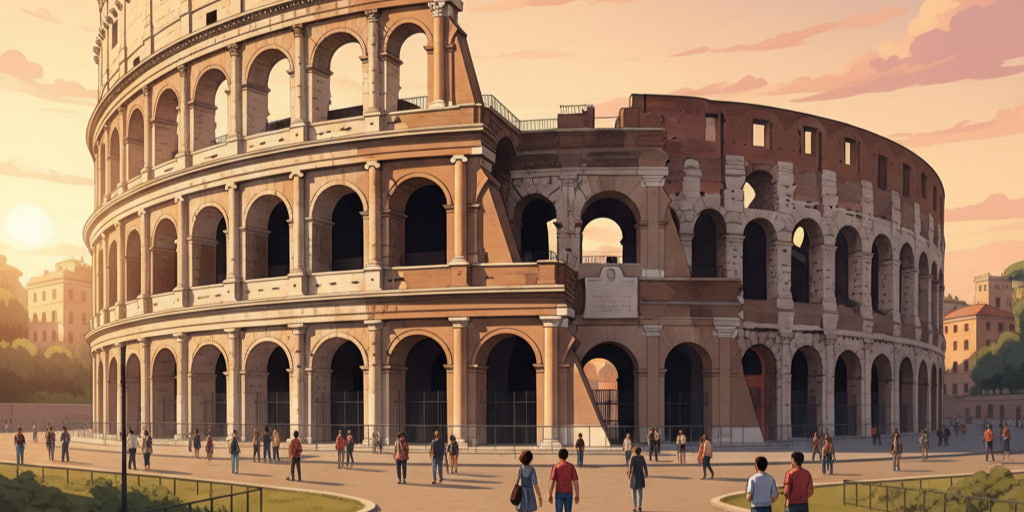
The Colosseum in Rome is one of the most recognized landmarks in the world. Built nearly 2,000 years ago, it was the stage for gladiator battles, public spectacles, and imperial power. Today, it stands as a global symbol of Rome’s cultural and architectural legacy.
A Wonder of Engineering
Before skyscrapers, there was the Colosseum. Completed in 80 AD under Emperor Titus, the structure showed off the might of Roman engineering.
- Size: It could seat between 50,000 and 80,000 spectators.
- Design: An elliptical arena measuring 189m long and 156m wide.
- Innovation: Vaulted corridors, retractable awnings, and underground chambers.
The Colosseum was built using travertine limestone, tuff, and concrete, setting the stage for architectural techniques still studied today.
The Spectacle of Ancient Rome
The Colosseum wasn’t just a building; it was the heart of Roman entertainment.
- Gladiator combats
- Wild animal hunts (venationes)
- Naval battle re-enactments (naumachiae)
- Public executions and dramatic performances
For Rome’s rulers, the games were not just an amusement. They were political theater a way to unite the people and showcase imperial dominance.
From Ruins to UNESCO Treasure
Over centuries, earthquakes, stone robbers, and neglect damaged the Colosseum. Yet its ruins still evoke awe.
- Middle Ages: Converted into a fortress and later a quarry.
- 18th century onward: Recognized as a cultural monument, sparking conservation.
- 1980: Inscribed as a UNESCO World Heritage Site alongside historic Rome.
- 2007: Named one of the New Seven Wonders of the World.
Today, restoration projects ensure their survival while balancing mass tourism with preservation.
The Numbers Today
- Visitors: Around 6.1 million people explore it annually.
- Global reach: About 12.2 million people engage with the Colosseum through virtual tours, documentaries, and learning resources worldwide.
- Language of the experience: Italian is the local tongue, but tours run in multiple global languages to welcome international travelers.
Cultural Significance
The Colosseum is more than stone arches. It’s a story of resilience.
- Symbol of Rome’s glory and brutality.
- Inspiration for arenas and stadiums worldwide.
- A cultural touchstone from films like Gladiator to global tourism campaigns.
For Italians, it represents identity and continuity. For the world, it’s proof that great cultures leave timeless footprints.
Why Visit?
Standing inside the Colosseum is like stepping back in time. Visitors experience:
- The arena floor where gladiators fought.
- Underground passages that reveal the mechanics of Roman games.
- Panoramic views of ancient and modern Rome blended.
The Takeaway
The Colosseum is not just a ruin, it’s living history. With over 6 million visitors each year, it remains Europe’s most iconic ancient monument and one of humanity’s greatest architectural achievements.