

The Chinese Cultural Revolution: History, Impact, and Lessons
Learn about the Chinese Cultural Revolution with Malegado. Discover history, language, and cultural impacts through engaging lessons and resources.
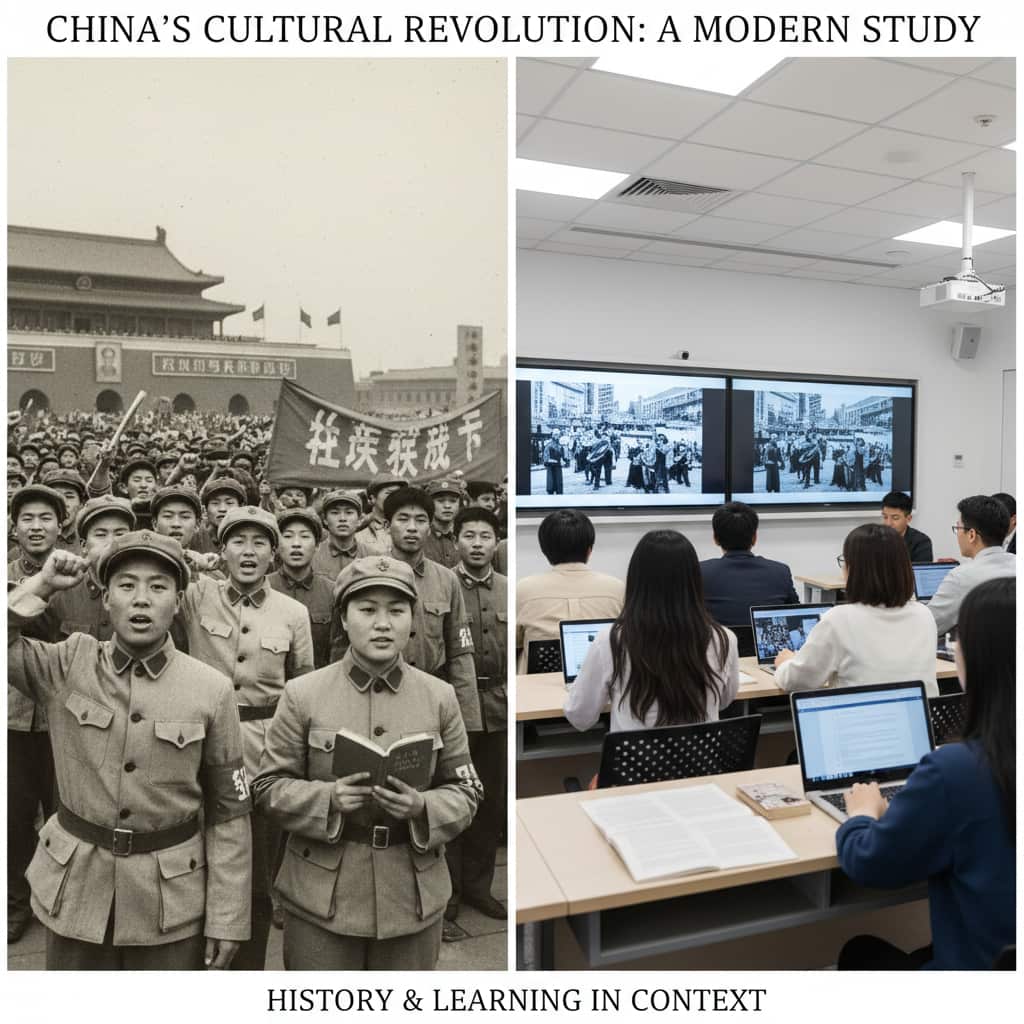
The Chinese Cultural Revolution remains one of the most significant and transformative periods in modern Chinese history. Lasting from 1966 to 1976, this decade reshaped society, education, arts, and political life, leaving a profound mark on China’s cultural and social fabric. Understanding the Cultural Revolution provides essential context for modern Chinese society, language, and cultural development.
History of the Chinese Cultural Revolution
The Cultural Revolution was launched by Mao Zedong, then Chairman of the Communist Party of China, with the stated goal of preserving “true” Communist ideology by removing capitalist and traditional elements from society. This movement targeted intellectuals, artists, and anyone deemed counter-revolutionary, leading to widespread political campaigns, public criticism sessions, and social upheaval.
Red Guards, mainly students, were mobilized to enforce the movement, resulting in the closure of schools, destruction of historical sites, and suppression of cultural and intellectual expression. Ancient texts, religious artifacts, and traditional art forms were destroyed, fundamentally altering China’s cultural landscape.
Despite the turmoil, the Cultural Revolution also led to political mobilization and changes in education, with an emphasis on ideology over formal academic study. Its impact reverberates today, influencing China’s approach to governance, education, and social policy. For a broader understanding of cultural heritage, exploring the Forbidden City and Great Wall provides context on the historical elements that were affected during this period.
Why the Cultural Revolution Matters Today
Understanding the Cultural Revolution is critical for several reasons:
- Historical Insight: It explains how political ideology can influence cultural expression and societal structures.
- Language and Communication: During this period, propaganda and slogans shaped language use, reflecting the intersection of politics and communication.
- Cultural Preservation: The destruction and subsequent restoration of heritage sites highlight the importance of protecting cultural legacies.
- Education Lessons: The decade-long disruption of formal education offers insights into the value of balanced learning systems that integrate history, culture, and critical thinking.
According to Britannica, the Cultural Revolution serves as both a cautionary tale and a historical milestone, helping scholars, students, and travelers appreciate the resilience and continuity of Chinese culture despite political upheavals.
Key Impacts on Chinese Culture
The Cultural Revolution affected multiple dimensions of Chinese culture:
- Arts and Literature: Traditional opera, painting, and literature were heavily censored or repurposed for revolutionary propaganda.
- Education: Schools were closed, and curricula were rewritten to emphasize ideological training rather than academic excellence.
- Historical Sites: Many temples, libraries, and museums suffered damage, resulting in loss of irreplaceable artifacts.
- Social Life: Family structures and social norms were disrupted, as public loyalty to the Party often took precedence over personal relationships.
Despite these challenges, Chinese culture endured, and post-revolution efforts have focused on restoration, preservation, and education about this complex period. Platforms like Malegado help learners explore these historical contexts while enhancing language skills.
How to Learn About the Cultural Revolution
Students, travelers, and enthusiasts can explore this period through multiple approaches:
- Historical Research: Read primary and secondary sources, scholarly articles, and biographies of key figures.
- Museum Visits: Institutions in Beijing and other cities feature exhibits on the Cultural Revolution, highlighting its social and cultural impacts.
- Language Study: Understanding the slogans, writings, and speeches from this era provides deeper insight into the political and cultural mindset. Malegado offers language lessons that include historical texts for contextual learning.
- Documentaries and Media: Films, interviews, and photo essays illustrate daily life and cultural change during the revolution.
- Comparative Exploration: Comparing historical events with cultural heritage sites, such as the Colosseum in Rome, can provide perspective on the preservation of culture across civilizations.
How Malegado Supports Learning About This Era
Malegado enhances understanding of the Cultural Revolution by integrating language learning with historical and cultural context:
- Cultural Lessons: Explore the language, literature, and propaganda from the period while improving Mandarin skills.
- Expert Tutors: One-on-one tutoring helps learners interpret historical texts and understand their cultural significance.
- Multimedia Resources: Podcasts, articles, and videos provide accessible insights into history, culture, and society.
- Global Community: Engage with learners worldwide to discuss interpretations, historical perspectives, and cultural impacts.
By combining language study with historical context, Malegado ensures learners do not just study Mandarin but also grasp the complex cultural and societal dynamics of China’s recent history.
Conclusion
The Chinese Cultural Revolution was a decade of upheaval that profoundly shaped modern China. Studying this period provides insights into politics, education, art, and societal resilience, highlighting both the fragility and endurance of cultural heritage. Learning about the Cultural Revolution through language and cultural study, supported by platforms like Malegado, equips learners with a deeper understanding of China’s past and present. By exploring history, practicing language, and engaging with culture, learners can fully appreciate the richness of Chinese civilization while developing meaningful skills and insights.