
The Beauty of African Art: Tradition and Symbolism
African art is one of the world’s most expressive cultural legacies. It carries centuries of stories, spiritual beliefs, craftsmanship, and collective identity.
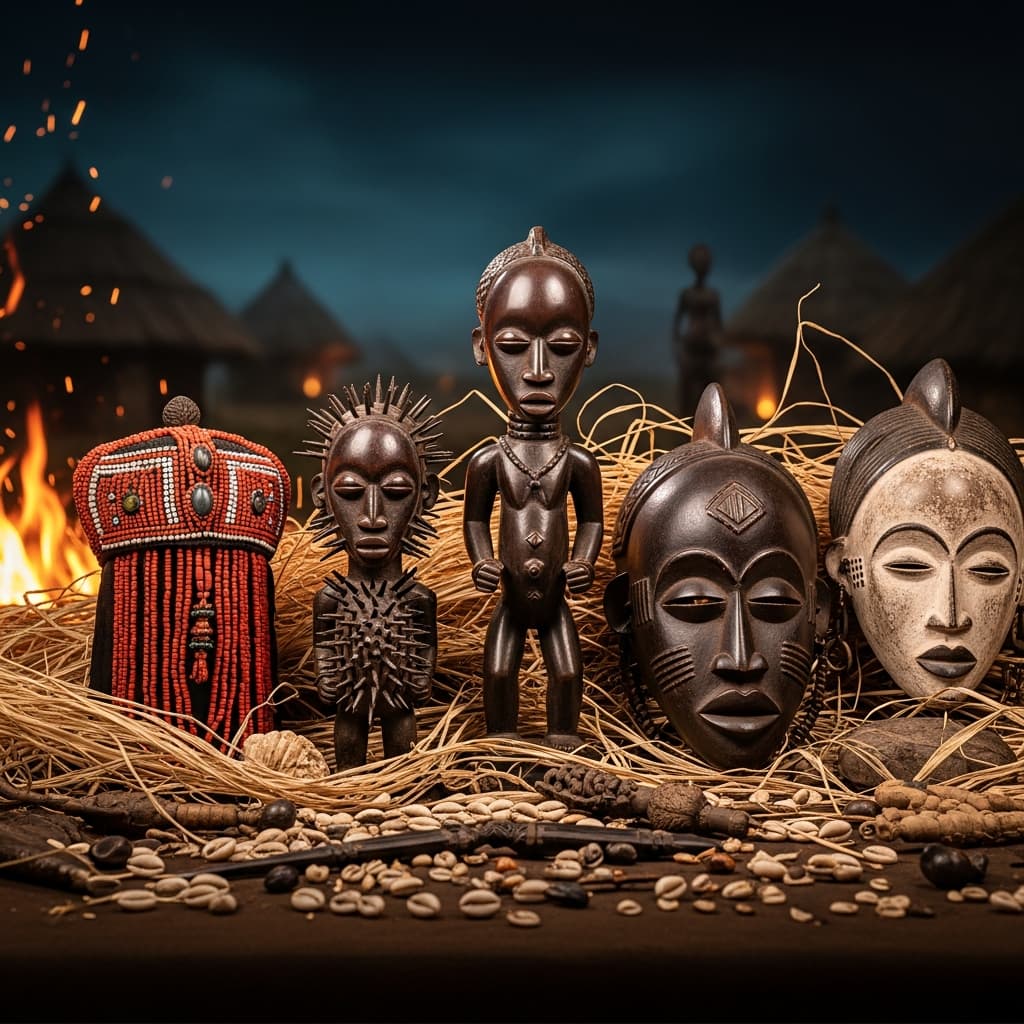
African art is one of the world’s most expressive cultural legacies. It carries centuries of stories, spiritual beliefs, craftsmanship, and collective identity. Whether found in masks, sculptures, textiles, pottery, or beadwork, African art reflects the soul of its people. It blends symbolism, history, and creativity in a way that continues to influence global culture today.
In this article, we explore the fascinating origins of African art, how it evolved, what its symbols mean, and why it still matters in the modern world. We also look at how Malegado helps learners connect more deeply with African languages and cultural traditions through authentic, educational experiences.
A Journey Into the History of African Art
African art dates back thousands of years. From ancient cave paintings to refined bronze sculptures, African creativity has always been a central part of community life. Unlike many Western art traditions, African art was rarely created just for decoration. Instead, it served spiritual, social, and practical purposes.
Early Origins and Cultural Foundations
Some of the oldest African artworks were discovered in South Africa’s Blombos Cave, where engraved ochre stones date back more than 70,000 years. These symbols show the early emergence of artistic expression on the continent.
Fast forward to later eras, and different regions developed distinct styles:
- West Africa became known for wood-carved masks, bronze statues, and royal regalia. The Benin Bronzes and Nok Terracotta sculptures are prime examples.
- East Africa produced vibrant beadwork, intricate textiles, and rock art that conveyed historical events.
- Central Africa is famous for its masks, which are often used in initiation ceremonies, spiritual rituals, and community celebrations.
- North Africa developed unique mosaics, pottery, and architectural art influenced by Berber, Arab, and Mediterranean cultures.
- Southern Africa contributed pottery, rock engravings, and decorative crafts used in homes and ceremonies.
African art has always reflected community values, religious beliefs, and social identity. To explore more about Africa’s cultural exchanges, you can read this Malegado piece on the history of the Swahili civilization, which blends trade, Islam, and local traditions: Malegado
Symbolism at the Heart of African Art
Symbolism is central to African art. Every pattern, color, and shape carries meaning. Art often communicates:
- Spiritual messages
- Social status
- Ancestral heritage
- Rites of passage
- Moral lessons
For example:
- The Adinkra symbols of Ghana represent proverbs, virtues, and philosophies.
- The Ndebele geometric patterns symbolize identity, family, and protection.
- Yoruba beadwork reflects kingship and divine authority.
- Masks often represent spirits, ancestors, or moral guides.
These symbolic meanings are interwoven into daily life, making African art a living form of communication.
Why African Art Matters Today
African art continues to shape global creativity. It influences modern fashion, architecture, interior design, and contemporary fine arts. Museums worldwide collect African pieces not because of their visual appeal alone but because of the stories they hold.
Preserving Cultural Identity
In many African communities, traditional art keeps ancestral knowledge alive. Art connects younger generations to old traditions, stories, and practices. It helps preserve languages and reinforces pride in cultural heritage.
Growing Global Appreciation
African art is now studied, exhibited, and celebrated around the world. Iconic museums and cultural institutions highlight African pieces for their complexity, symbolism, and influence on world history. Travelers who visit cultural sites often benefit from learning the stories behind the art. Guides like this Malegado article about the Colosseum show how historical storytelling enriches learning and exploration: Malegado
Economic and Artistic Innovation
Artists across Africa continue to innovate by blending traditional techniques with modern materials. Sculptors, painters, textile designers, and digital artists are bringing African art into global markets.
Art as a Language
Many African artworks use visual symbols the way languages use words. Colors and shapes serve as cultural expressions. Understanding local languages often reveals deeper meanings behind these symbols.
This makes language learning essential for appreciating African art’s richness.
Forms of African Art and Their Cultural Importance
1. Masks
Masks are among the most recognizable forms of African art. They are used in ceremonies, rituals, festivals, and dances. They often represent ancestors, deities, or natural forces.
2. Sculptures
African sculpture is often made of wood, bronze, stone, or clay. Figures may represent kings, spiritual protectors, or mythical beings. Sculptures often reinforce cultural teachings, such as respect for elders or the importance of community.
3. Textiles
African textiles like Kente cloth, Mudcloth, and Ankara are woven with patterns that tell stories. Colors and symbols have deep meaning. Textiles are used for clothing, rituals, and family events.
4. Pottery and Ceramics
Pottery has long been used for cooking, ceremonies, and storage. Designs often mark clan identity or spiritual significance.
5. Beadwork and Jewelry
Beads symbolize wealth, royalty, and cultural belonging. They are used in weddings, festivals, and rites of passage.
6. Rock Art
Found across the Sahara and southern Africa, rock paintings document hunting scenes, migrations, spiritual visions, and natural life.
How to Appreciate African Art More Deeply
1. Learn the Culture Behind the Art
Understanding the tradition behind a piece helps you appreciate its meaning. Cultural context transforms simple patterns into rich stories.
2. Explore Local Languages
Many African artworks include proverbs, chants, and names written in indigenous languages. Learning these languages adds depth to your understanding.
3. Visit Cultural Centers and Museums
Museums, historical sites, and community exhibitions reveal the origins and history of pieces. UNESCO has detailed archives that highlight African artistic traditions.
4. Support Local Artists
Purchasing art directly from artists helps preserve traditional craftsmanship and supports local economies.
5. Engage With Music, Dance, and Stories
Art in Africa is often linked with performance. Drumming, singing, and storytelling give context to visual artworks.
How Malegado Helps You Explore African Art Through Language and Culture
Malegado is designed to help learners connect with culture, not just vocabulary. African art provides a powerful gateway into understanding African languages, traditions, and worldviews.
Cultural Context in Learning
Malegado integrates cultural notes, stories, and explanations into language lessons. This helps learners appreciate the deeper meanings behind symbols, proverbs, and expressions.
Language Skills for Understanding Art
Many African symbols and artworks reference local languages. Malegado helps learners master pronunciation, grammar, and meaning through audio tools and clear explanations. You can explore more language learning support through guides like this Malegado blog on improving English pronunciation:
Community and Collaboration
Malegado’s learning community allows users to share cultural experiences, ask questions, and learn from native speakers. This environment supports learners who want to explore African art beyond visuals.
A Complete Cultural Learning Ecosystem
From vocabulary training to cultural articles, Malegado brings language and culture together. This holistic approach reflects how African communities use art, language, and storytelling as connected expressions.
Final Thoughts
African art is a world of beauty, symbolism, and history. It captures the heart of African identity and reflects generations of creativity. Understanding the deeper meanings behind the patterns, colors, and shapes allows you to appreciate Africa’s cultural richness in a meaningful way.
With Malegado, learners gain the tools to explore African art not only visually but linguistically and culturally. Dive deeper into traditions, learn the languages behind the symbols, and experience the full depth of African heritage.