
The Amharic People: Traditions and Culture of Ethiopia
The Amharic people are a cornerstone of Ethiopia’s cultural tapestry, known for their deep traditions and strong community spirit. As one of Ethiopia’s largest...
The Amharic people are a cornerstone of Ethiopia’s cultural tapestry, known for their deep traditions and strong community spirit. As one of Ethiopia’s largest ethnic groups, they number over 20 million and have shaped the nation’s history for centuries. Their language, Amharic, is the official tongue of Ethiopia, reflecting their influence in government, religion, and arts. This article celebrates the Amharic people, exploring their customs, daily life, and the cultural heritage that defines them.
Historical Roots of the Amharic People
The Amharic people trace their origins to the northern highlands of Ethiopia, where they established powerful kingdoms. Their history is linked to the Aksumite Empire, one of Africa’s earliest states, and the Solomonic dynasty, which claims descent from King Solomon and the Queen of Sheba. This lineage has fostered a sense of pride and continuity among the Amharic people. Over time, they expanded their influence, making Amharic the language of administration and trade. Their resilience through wars and famines has shaped a culture of strength and unity.
Daily Life and Community Values
The Amharic people live in villages and cities, blending tradition with modern life. Family is central, with multi-generational households common in rural areas. Elders are respected as keepers of wisdom, often sharing stories around the fire. Hospitality is a core value, seen in the warm greeting “Selam” (Hello) offered to visitors. Communities gather for markets, where goods like teff and coffee are traded, and for celebrations that strengthen bonds. This sense of togetherness is a defining trait of the Amharic people.
Traditional Clothing and Craftsmanship
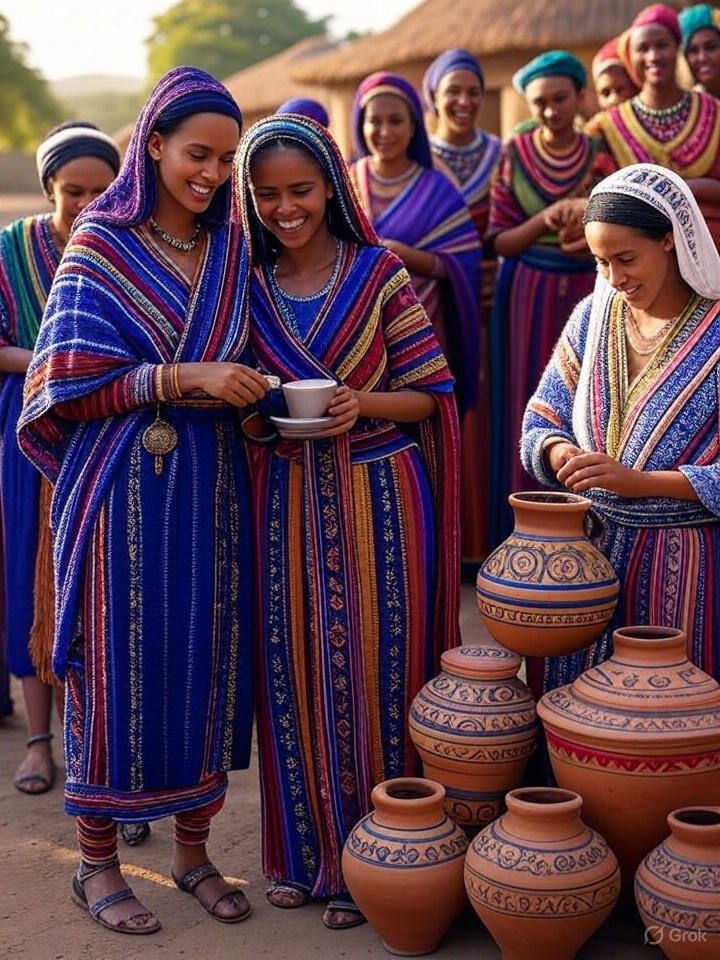
The Amharic people are known for their colorful traditional attire. Men often wear a “shamma,” a lightweight cotton robe with embroidered edges, while women don dresses adorned with intricate patterns. During festivals, these garments are paired with jewelry made from silver and beads, showcasing local craftsmanship. Weavers in the Amhara region create textiles using age-old techniques, passing skills from generation to generation. This artistry reflects the Amharic people’s dedication to preserving their cultural heritage.
Festivals and Celebrations
Festivals are a vibrant part of Amharic life, blending religion and community. Timkat, the Epiphany celebration, sees the Amharic people march with colorful umbrellas and replicas of the Ark of the Covenant, singing Amharic hymns. Meskel, marking the discovery of the True Cross, features bonfires and dances that light up villages. These events are filled with music, food, and storytelling, drawing families together. The Amharic people’s faith, rooted in the Ethiopian Orthodox Church, shapes these joyous occasions.
The Ethiopian Coffee Ceremony
One of the most cherished traditions of the Amharic people is the coffee ceremony. Held in homes or community spaces, it involves roasting green coffee beans over a small fire, grinding them by hand, and brewing the coffee in a clay pot called a “jebena.” The host serves the coffee in small cups, often with incense burning to purify the air. This ritual is a time for conversation, respect, and connection, reflecting the Amharic people’s warm hospitality. It is a daily practice that honors their cultural roots.
Music and Oral Traditions
Music and storytelling are vital to the Amharic people’s culture. Traditional instruments like the “masinko,” a one-stringed violin, and the “kebero,” a drum, accompany songs about love, history, and faith. The “Qene” poetry form uses Amharic to weave complex rhymes, performed by skilled poets during gatherings. Elders pass down oral histories, recounting tales of heroes like Emperor Menelik II. Modern artists like Teddy Afro carry this tradition forward, blending old melodies with new rhythms, keeping the Amharic people’s voice alive.
Food and Culinary Heritage
The Amharic people’s cuisine is a celebration of flavor and tradition. Injera, a spongy flatbread made from teff, serves as the base for meals, topped with stews like doro wat (spicy chicken) or misir wat (lentil curry). Spices such as berbere and mitmita add heat and depth. Meals are communal, with families sharing from a single plate, symbolizing unity. The preparation of these dishes, often a group effort, highlights the Amharic people’s emphasis on togetherness and shared heritage.
Challenges and Preservation Efforts
The Amharic people face challenges as globalization spreads. Urbanization and the rise of English in schools can overshadow Amharic and traditional ways. Yet, they remain committed to preservation. Local schools teach the Ge’ez script, and cultural festivals promote Amharic music and dance. Communities work to pass down crafts and recipes, ensuring their legacy endures. These efforts reflect the Amharic people’s determination to maintain their identity in a changing world.
Connecting with the Amharic People’s Culture
To experience the Amharic people’s way of life, explore their traditions firsthand. Watch documentaries about Ethiopia’s highlands or listen to Amharic music playlists. Try cooking injera at home or attend a local Ethiopian event to hear the language in action. Visiting Ethiopia, if possible, offers a chance to join a coffee ceremony or a festival. These experiences bring you closer to the Amharic people’s rich cultural world.
Learn More with Malegado
The Amharic people’s traditions and culture offer a window into Ethiopia’s soul, from their historic roots to their vibrant festivals. If you are inspired to learn more, including their language, Malegado can guide you. Malegado provides resources to explore Amharic and other African cultures, offering courses and cultural insights. Visit Malegado to start your journey and connect with the heritage of the Amharic people.
Conclusion
The Amharic people are a vital part of Ethiopia’s cultural landscape, known for their traditions, hospitality, and artistic heritage. Their festivals, music, food, and daily practices tell a story of resilience and community. From the coffee ceremony to the rhythms of the masinko, their culture thrives with pride. Malegado offers a way to delve deeper into the Amharic people’s world and learn their language. Embrace this rich heritage and discover the beauty of the Amharic people today.