
 Google Play
 Huawei AppGallery
 Samsung Store
Swahili Name Meanings: Beautiful Kiswahili Names and Their Origins
Swahili Name Meanings: Beautiful Kiswahili Names and Their OriginsThe Swahili language, rich in history and culture, serves as a canvas for some of the most bea...
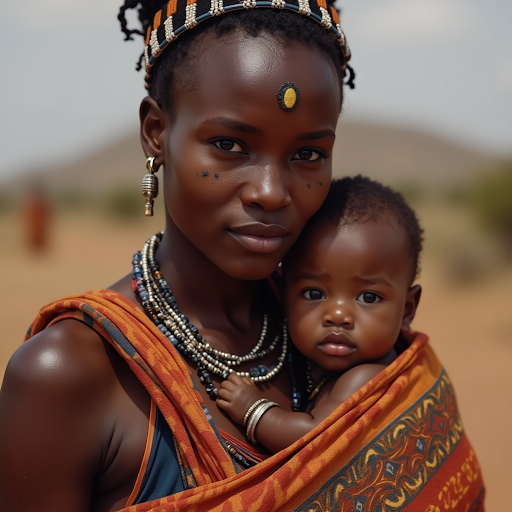
Swahili Name Meanings: Beautiful Kiswahili Names and Their Origins
The Swahili language, rich in history and culture, serves as a canvas for some of the most beautiful names that convey deep meanings and reflect the vibrant heritage of East Africa. Originating primarily from the coastal regions of Kenya and Tanzania, Swahili names often draw inspiration from nature, virtues, and the diverse cultures that have influenced the Swahili people over centuries.
The Importance of Names in Swahili Culture
In many cultures, names are more than mere labels; they carry significant meanings that can reflect personal traits, desired qualities, or cherished hopes for the individual. In Swahili culture, names are carefully selected, often embodying the values of family, tradition, and spiritual beliefs. This practice not only honors the child’s lineage but also ensures that they carry a meaningful identity as they grow.
Popular Swahili Names and Their Meanings
1. Amani: Meaning “peace,” Amani is a popular name not just in Swahili-speaking regions but also globally. It reflects the hope for tranquility and harmony in the individual’s life and surroundings.
2. Jabari: This name means “brave” or “fearless.” Named after the Swahili word for courage, Jabari is often given to boys to inspire strength of character.
3. Zuri: Translating to “beautiful,” Zuri is a feminine name that embodies grace and aesthetic appeal. It is a fitting choice for parents wishing for their daughters to radiate beauty, both inside and out.
4. Kazi: Meaning “work” or “task,” Kazi is a name that emphasizes the importance of diligence and productivity. It serves as a reminder of the virtues of hard work and perseverance.
5. Dada: This charming name means “sister,” highlighting the importance of family bonds and relationships in Swahili culture. It is often used affectionately among siblings.
6. Juma: This name means “born on Friday.” Names that indicate the day of the week can be found in various cultures, and Juma is a distinctive choice for boys born on this particular day.
7. Nia: Translating to “purpose,” Nia is a name that emphasizes the importance of having clear goals and aspirations. It encourages individuals to live purposefully and meaningfully.
Culturally Rich and Linguistic Diversity
Swahili names reflect the broader cultural amalgamation present in the region, incorporating influences from Arab, Persian, Portuguese, and indigenous African languages. This linguistic diversity enhances the depth of Swahili names, making each one a unique blend of meanings and traditions.
Furthermore, with the spread of the Swahili language and culture in the diaspora, these names are gaining popularity beyond their original contexts. Parents around the world are increasingly drawn to the eloquence and significance of Swahili names, opting for them as a way to connect with a rich history or simply because of their melodic sounds and profound meanings.
Conclusion
Choosing a name is a powerful act filled with hopes and aspirations. In Swahili culture, names carry profound meanings that can reflect the values of peace, bravery, beauty, and purpose. Whether one is considering traditional names for cultural heritage or simply attracted to the melodic nature of Kiswahili, the beauty lies in the stories and meanings that each name embodies. With their rich origins and potent significances, Swahili names serve as a reminder of the beauty found in diversity and the importance of identity in our lives.