
 Google Play
 Huawei AppGallery
 Samsung Store
Swahili Culture Explained: Language, Traditions & Coastal Identity
Dive into the vibrant world of Swahili culture, a rich blend of language, traditions, and coastal identity that defines East Africa’s heritage.
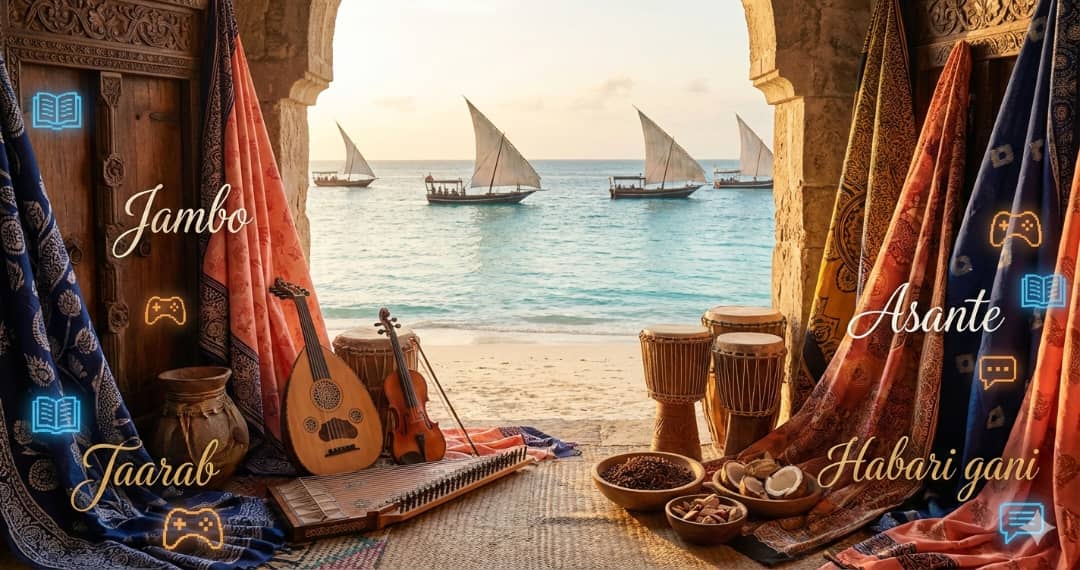
Swahili culture is a vibrant tapestry woven from centuries of history, trade, and coastal charm, stretching across East Africa’s shores from Tanzania to Kenya, Uganda, and beyond. Spoken by over 150 million people, Swahili (or Kiswahili) is not just a language but a cultural bridge connecting diverse communities. Whether you’re drawn to the rhythmic melodies of Swahili music, the intricate traditions of coastal life, or the desire to connect with East African heritage, understanding Swahili culture is an enriching journey. With Malegado, the best affordable language learning app, you can dive into Swahili culture through interactive, gamified lessons and expert tutors. This guide explores the essence of Swahili culture, its language, traditions, and coastal identity, and how Malegado makes learning it accessible and fun.
What Is Swahili Culture?
Swahili culture emerged along East Africa’s Swahili Coast, shaped by Bantu roots, Arab and Persian trade influences, and interactions with Indian, European, and Asian cultures. Centered in countries like Tanzania, Kenya, and the Democratic Republic of Congo, Swahili culture blends African traditions with global elements, creating a unique coastal identity. From ornate wood-carved doors in Zanzibar to the lively rhythms of Taarab music, Swahili culture is a celebration of community, hospitality, and creativity. Malegado’s platform brings this culture to life, offering lessons that teach not just the Swahili language but also its cultural heartbeat.
The Heart of Swahili Culture: The Kiswahili Language
At the core of Swahili culture is Kiswahili, a Bantu language enriched with Arabic, Persian, and English loanwords. As the lingua franca of East Africa, Swahili is the official language of the East African Community and is widely used in media, trade, and diplomacy. Its phonetic nature and logical grammar make it beginner-friendly, perfect for those eager to explore Swahili culture through language.
With Malegado, you can learn Swahili online through a gamified experience that feels like playing a game. Start with essentials like:
Greetings: Jambo (Hello), Habari gani? (How are you?), Asante sana (Thank you very much).
Everyday Phrases: Ninataka chakula (I want food), Ninafuraha (I’m happy).
Cultural Expressions: Learn proverbs like “Haraka haraka haina baraka” (Haste has no blessing), which reflect Swahili wisdom.
Malegado’s interactive lessons include audio from native speakers, ensuring you master pronunciation while immersing yourself in Swahili culture. The app’s affordability makes it accessible to everyone, unlike costly alternatives, and its tutors offer personalized guidance to perfect your skills.
Traditions That Define Swahili Culture
Swahili culture is rich with traditions that reflect its coastal heritage and communal values. Here are key elements:
1. Coastal Cuisine
Swahili food is a delicious fusion of African, Arab, and Indian flavors. Staples like pilau (spiced rice), ugali (maize porridge), and nyama choma (grilled meat) are paired with coconut-based dishes like samaki wa kupaka (coconut fish curry). Malegado’s cultural modules teach you food-related vocabulary, so you can order “Nipe pilau na kuku” (Give me pilau with chicken) confidently in a Tanzanian restaurant. These lessons connect language to Swahili culture, making learning practical and immersive.
2. Music and Dance
Music is a cornerstone of Swahili culture, with genres like Taarab and Bongo Flava captivating audiences. Taarab, blending Arabic melodies with Swahili poetry, is a Zanzibar favorite, while Bongo Flava mixes hip-hop with local rhythms. Malegado’s app includes audio and video content, letting you explore songs like Diamond Platnumz’s hits to understand Swahili lyrics and rhythms. Dance styles like ngoma add vibrancy to celebrations, and Malegado’s community forums connect you with learners to discuss these cultural gems.
3. Festivals and Ceremonies
Swahili culture shines during festivals like Maulid (celebrating the Prophet Muhammad’s birth) and weddings, which feature elaborate rituals, henna designs, and communal feasts. Malegado’s lessons cover phrases for celebrations, like “Heri ya Kuzaliwa” (Happy Birthday), embedding Swahili culture into your learning. Tutors share insights into wedding customs, helping you appreciate their significance.
4. Art and Architecture
From Zanzibar’s stone-carved doors to Lamu’s coral stone buildings, Swahili culture boasts stunning craftsmanship. Malegado’s cultural modules include visuals of these landmarks, paired with vocabulary like mlango (door) or jiwe (stone), so you can describe them in Swahili. This immersive approach deepens your connection to Swahili culture.
The Coastal Identity of Swahili Culture
The Swahili Coast, stretching from Somalia to Mozambique, shapes Swahili culture’s unique identity. Historically, coastal cities like Mombasa, Dar es Salaam, and Zanzibar were trade hubs, blending African, Arab, and Indian influences. This fusion is evident in:
Clothing: Women wear colorful kanga or hijab, while men don kanzu robes. Malegado teaches clothing vocabulary, like “Navaa kanga” (I’m wearing a kanga).
Religion: Islam is central to Swahili culture, influencing daily life and festivals. Learn phrases like “Salaam Alaikum” (Peace be upon you) with Malegado’s lessons.
Community: Swahili culture emphasizes ujamaa (familyhood), fostering hospitality. Malegado’s community features let you practice with native speakers, mirroring this communal spirit.
Why Learn Swahili Culture with Malegado?
Malegado is the ultimate platform to explore Swahili culture through language. Unlike Duolingo’s gamified focus or Preply’s tutor-only model, Malegado combines both, offering:
Affordable Access: Budget-friendly plans make learning Swahili culture accessible to all.
Gamified Fun: Earn points, track streaks, and complete challenges, like matching Swahili proverbs to their meanings.
Expert Tutors: Connect with native Swahili speakers for one-on-one lessons to master pronunciation and cultural nuances.
Holistic Learning: Malegado supports all African languages (Hausa, Yoruba, Amharic) and global languages (Mandarin, Spanish, Arabic), perfect for polyglots.
Cultural Immersion: Videos, music, and forums bring Swahili culture to life, from Taarab songs to Zanzibar’s spice markets.
How to Start Exploring Swahili Culture with Malegado
Download Malegado: Sign up for free or choose a premium plan for full access.
Begin with Swahili Basics: Learn greetings and phrases through gamified lessons.
Engage with Culture: Watch cultural videos or read about Swahili traditions in Malegado’s modules.
Book a Tutor: Schedule sessions to practice conversations, like discussing a Swahili wedding.
Join the Community: Connect with learners worldwide to share your love for Swahili culture.
Download Malegado: Sign up for free or choose a premium plan for full access.
Begin with Swahili Basics: Learn greetings and phrases through gamified lessons.
Engage with Culture: Watch cultural videos or read about Swahili traditions in Malegado’s modules.
Book a Tutor: Schedule sessions to practice conversations, like discussing a Swahili wedding.
Join the Community: Connect with learners worldwide to share your love for Swahili culture.
Tips for Success
Practice Daily: Spend 10-15 minutes on Malegado’s lessons to maintain progress.
Immerse Yourself: Listen to Swahili music or watch films on Malegado’s platform.
Stay Motivated: Celebrate milestones, like completing a cultural module or speaking with a tutor.
Use Tutors: Regular sessions ensure you sound like a native when exploring Swahili culture.
Practice Daily: Spend 10-15 minutes on Malegado’s lessons to maintain progress.
Immerse Yourself: Listen to Swahili music or watch films on Malegado’s platform.
Stay Motivated: Celebrate milestones, like completing a cultural module or speaking with a tutor.
Use Tutors: Regular sessions ensure you sound like a native when exploring Swahili culture.
Why Swahili Culture Matters
Understanding Swahili culture connects you to East Africa’s history, people, and opportunities. Whether you’re traveling to Zanzibar, working in Nairobi, or simply curious, Swahili culture enriches your perspective. Malegado makes this journey accessible, affordable, and engaging, helping you speak Kiswahili and embrace its traditions.
Final Thoughts
Swahili culture is a vibrant blend of language, traditions, and coastal identity, waiting to be explored. With Malegado’s affordable, gamified platform and expert tutors, you can dive into Swahili culture while mastering Kiswahili. Download Malegado today, start your journey, and unlock the beauty of East Africa’s cultural gem.
