
 Google Play
 Huawei AppGallery
 Samsung Store
Swahili Civilization: A History of Trade, Islam, and Cultural Exchange
Swahili Civilization: A History of Trade, Islam, and Cultural ExchangeThe Swahili civilization, which flourished along the East African coast from the 8th to th...
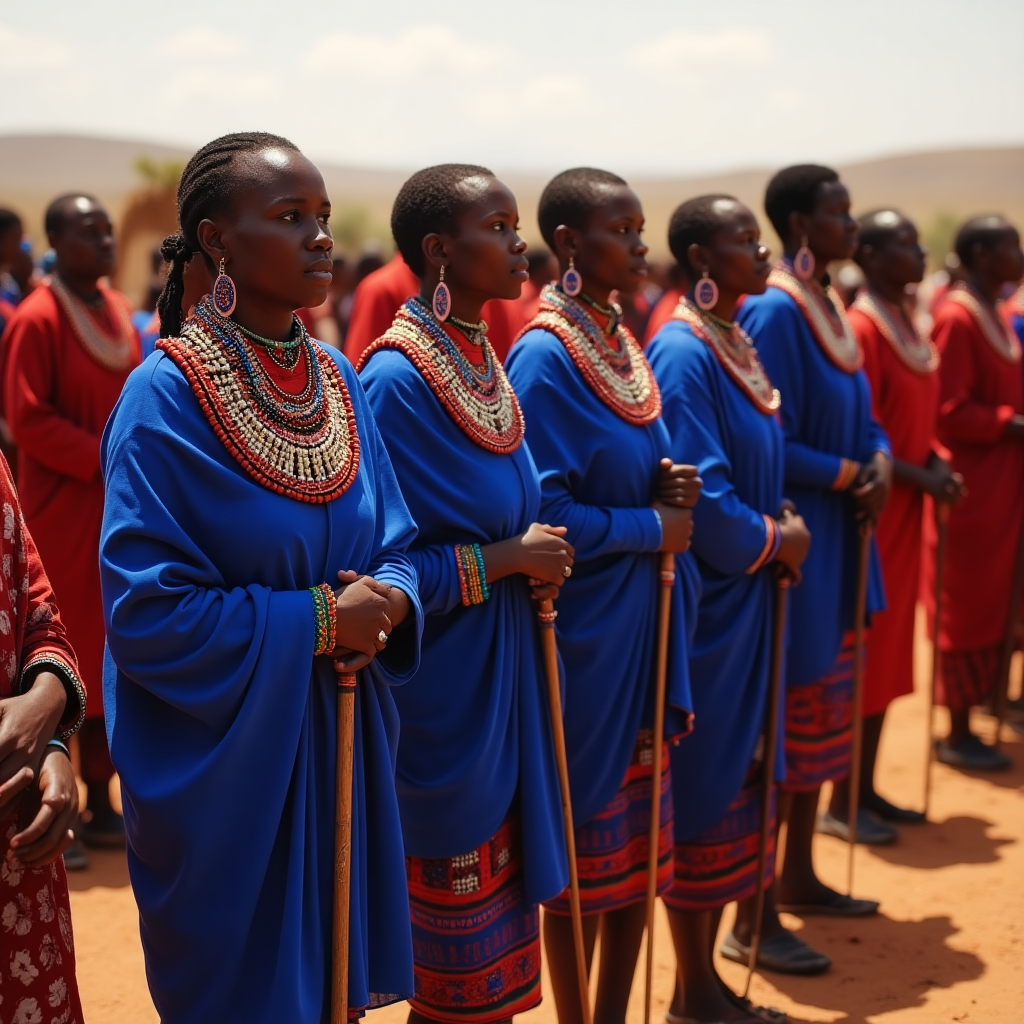
Swahili Civilization: A History of Trade, Islam, and Cultural Exchange
The Swahili civilization, which flourished along the East African coast from the 8th to the 15th centuries, stands as a remarkable example of how trade, cultural exchange, and the spread of Islam shaped a vibrant African culture. This unique civilization emerged from the dynamic interplay of indigenous Bantu traditions and significant influences from Arab, Persian, Indian, and later European traders. Cities like Kilwa, Zanzibar, and Mombasa became thriving centers of commerce, serving as vital connections between Africa and the broader Indian Ocean world.
Pillars of Swahili Civilization:
The Swahili civilization was built upon several key pillars that contributed to its growth, wealth, and unique identity:
- Trade:
- Coastal cities leveraged their strategic location to connect with markets across the Arabian Peninsula, India, and even China.
- Swahili traders exported valuable goods such as gold, ivory, and slaves.
- They imported textiles, pottery, and other luxury items, enriching their societies.
- This thriving trade fostered immense wealth for the city-states and cultivated a highly cosmopolitan culture where merchants from diverse backgrounds interacted with locals.
- Islam's Influence:
- The arrival of Islam significantly transformed Swahili social, political, and economic structures.
- Many Swahili traders embraced Islam, not only as a faith but also as a means to strengthen trade relationships with other Muslim merchants.
- By the 10th century, robust Islamic institutions, including mosques and Islamic law, were firmly established along the coast.
- Artistic and Architectural Heritage:
- Swahili city-states boast a rich artistic and architectural legacy, particularly their coral stone architecture.
- Buildings showcased intricate designs, demonstrating the advanced skills of local craftsmen.
- Mosques and houses frequently featured a beautiful fusion of Islamic architecture with indigenous forms, creating a distinctive aesthetic.
- Notable examples include the famous Old Fort in Zanzibar and the Great Mosque of Kilwa.
- The Swahili Language:
- Language played a pivotal role in the development and unity of the civilization.
- Swahili, a Bantu language enriched with numerous Arabic loanwords, emerged as the lingua franca for trade and communication.
- This linguistic blend perfectly symbolizes the broader cultural syncretism present in Swahili society, reflecting the integration of local customs with foreign influences to create a uniquely Swahili identity.
Decline and Enduring Legacy:
The decline of the Swahili civilization began in the late 15th century with the arrival of European powers, particularly the Portuguese. Their efforts to control the lucrative Indian Ocean trade routes and establish dominance led to conflict and the gradual deterioration of the Swahili city-states.
Despite this decline, the profound legacy of the Swahili civilization persists. Its influence is evident in the continued practice of Islam, the widespread use of the Swahili language, and the intricate cultural traditions that thrive in the region today. The Swahili coast remains a living monument to complex historical interactions, inviting future generations to appreciate and learn from its storied past and its enduring impact on modern East African culture.