
Spanish Culture: Traditions, Diversity, and Modern Life
Spanish culture is rich with traditions, food, and festivals. Explore how history, values, and diversity shape Spain’s unique way of life today.
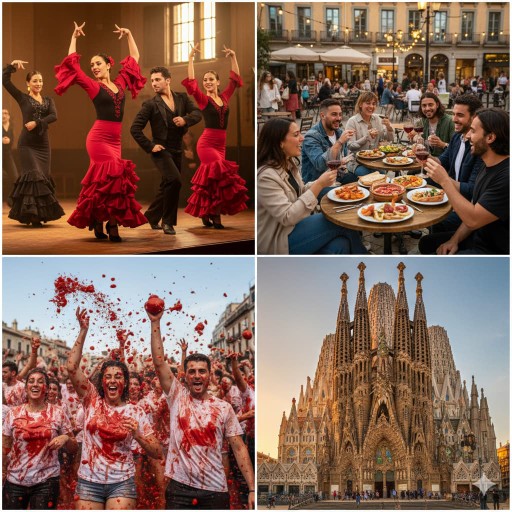
Spanish culture is colorful, passionate, and deeply rooted in history. From flamenco dancing in Andalusia to Catalonia’s architectural wonders, from tapas to world-class football, Spain’s culture represents a blend of tradition and modernity.
Whether you are traveling, studying, or working in Spain, understanding its culture helps you appreciate its diversity and connect with people on a deeper level.
Historical Roots of Spanish Culture
Roman and Moorish Influence
Spain’s culture was shaped by the Roman Empire, which introduced roads, aqueducts, and Latin, the foundation of the Spanish language. Later, Moorish rule (711–1492) brought Islamic architecture, science, and agriculture. Cities like Granada still reflect this with the Alhambra palace.
The Catholic Monarchs and Golden Age
The unification of Spain under Ferdinand and Isabella marked the start of the nation’s Catholic identity. The Spanish Golden Age (16th–17th centuries) produced masterpieces in literature, painting, and architecture, with figures like Cervantes and Velázquez.
Modern History
The Spanish Civil War (1936–1939) and Franco’s dictatorship shaped 20th-century Spain. Since the 1970s, democracy has allowed Spain to flourish culturally and socially.
Key Aspects of Spanish Culture
1. Language Diversity
Spanish (Castilian) is the official language, but Spain is multilingual. Catalan, Galician, and Basque reflect the country’s regional identities. Language is a strong marker of cultural pride.
2. Religion
Roman Catholicism has been central to Spanish identity, influencing festivals, traditions, and architecture. Today, Spain is more secular but continues to celebrate religious festivals.
3. Family Life
Family is the cornerstone of Spanish society. Extended families often gather for meals, and strong family bonds remain essential.
Spanish Food Culture
Spanish cuisine is celebrated worldwide for its flavor and variety.
- Tapas: Small shared plates, such as patatas bravas, croquettes, and olives.
- Paella: A Valencian dish of rice, saffron, and seafood or meat.
- Jamón Ibérico: A prized cured ham.
- Churros with Chocolate: A sweet treat often eaten for breakfast.
- Wine and Sangria: Spain is one of the world’s top wine producers.
Meals are social events, often lasting hours, especially on weekends.
Arts, Architecture, and Music
- Architecture: From Gaudí’s Sagrada Familia in Barcelona to Moorish Alhambra in Granada, Spanish architecture reflects centuries of creativity.
- Painting: Famous artists include Picasso, Dalí, and Goya. Their work transformed global art movements.
- Music and Dance: Flamenco, born in Andalusia, is a powerful mix of singing, guitar, and dance. Classical guitar and regional folk music are also central.
- Literature: Cervantes’ Don Quixote is considered the first modern novel. Contemporary authors like Carlos Ruiz Zafón continue the legacy.
Festivals and Celebrations
- La Tomatina (Buñol): A tomato-throwing festival.
- San Fermín (Pamplona): Famous for the running of the bulls.
- Semana Santa (Holy Week): Religious processions with deep cultural roots.
- Las Fallas (Valencia): Burning of giant artistic figures in celebration of spring.
- Carnival (Tenerife and Cádiz): Parades, costumes, and music before Lent.
Festivals are an essential part of Spanish life, reflecting both tradition and community spirit.
Social Etiquette in Spain
- Greetings: Handshakes in formal settings, two kisses on the cheek among friends.
- Punctuality: Spain is more relaxed with time, though business settings expect punctuality.
- Meals: Lunch is the main meal of the day, often lasting two hours. Dinner is eaten late, sometimes after 9 p.m.
- Siesta: Afternoon rest time is less common in big cities today but still valued in smaller towns.
Modern Spanish Lifestyle
1.Work and Leisure
Spain has a strong work culture but also values leisure. The balance between professional life and family time is highly respected.
2.Multicultural Influence
Spain’s history as a colonial power and modern immigration make it culturally diverse. Latin American, African, and European influences enrich its music, food, and art.
3.Sports
Football is central to Spanish culture, with FC Barcelona and Real Madrid enjoying worldwide fame. Tennis stars like Rafael Nadal also inspire national pride.
Values and Attitudes
- Pride in Heritage: Spaniards are proud of their traditions and regions.
- Community: Social gatherings, festivals, and meals reinforce community bonds.
- Passion: Seen in art, politics, football, and daily interactions.
- Resilience: Spain has endured wars and crises, yet culture remains vibrant and strong.
Challenges of Spanish Culture
- Regional Tensions: Independence movements in Catalonia and the Basque Country highlight Spain’s diversity and complexity.
- Economic Inequality: Rural and urban divides continue to shape life.
- Tourism Pressure: Over-tourism in cities like Barcelona challenges local communities.
Why Understanding Spanish Culture Matters
- For Travelers: Enhances the experience of festivals, food, and local customs.
- For Students: Helps adapt to Spain’s academic and social life.
- For Professionals: Understanding etiquette improves business relationships.
- For Expats: Cultural knowledge builds stronger integration.
Conclusion
Spanish culture is a mosaic of traditions, diversity, and modern energy. From tapas and flamenco to festivals and football, it continues to attract global admiration. Its history has shaped a unique identity that values family, community, and joy.
By learning about Spanish culture, travelers, students, and professionals can experience Spain more deeply and connect with its people authentically.