
Pulaar to English Translation: Unlocking Sahel Stories for Global Ears
Unlock Pulaar to English translation and dive into Senegal's nomadic tales. From griot proverbs to travel phrases, get tips and tools to connect cultures effortlessly.
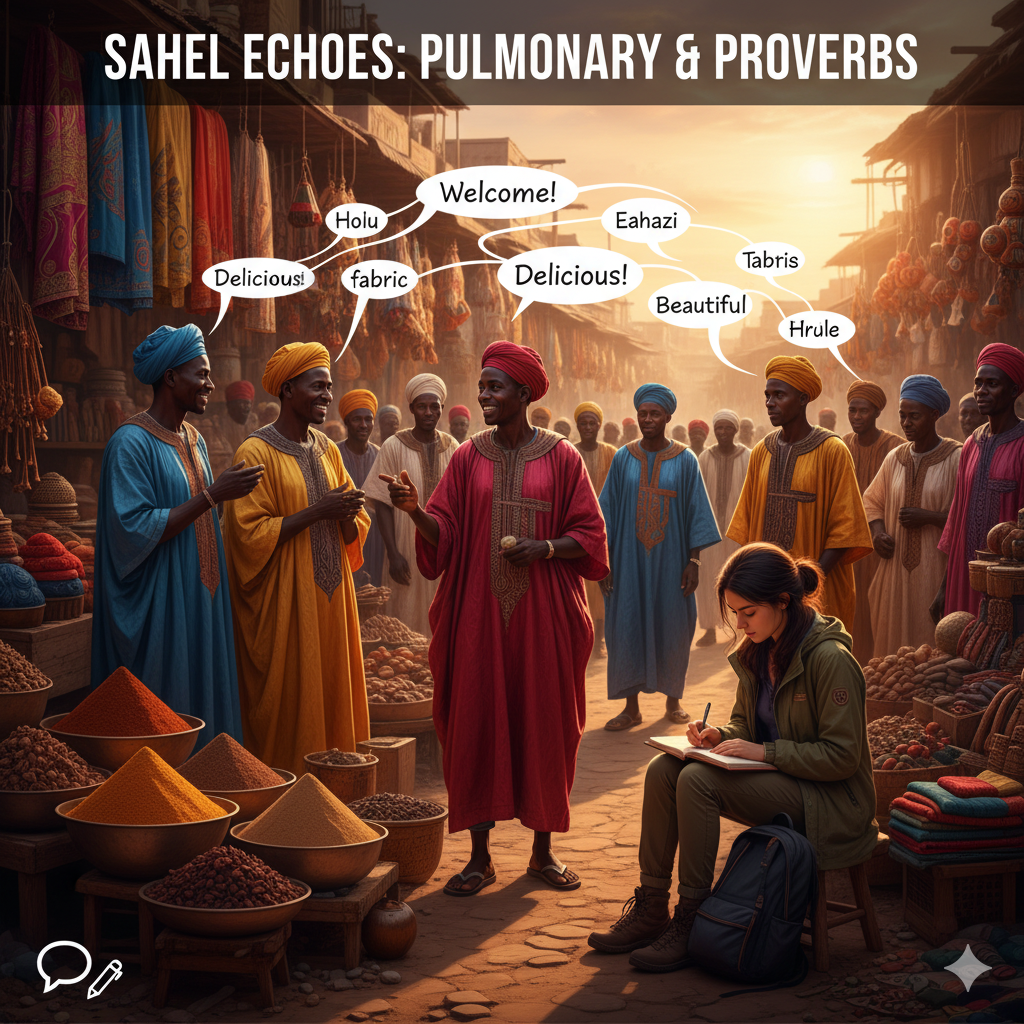
Ever caught a snippet of a griot's tale in a bustling Senegalese market, words flowing like the Senegal River? That's Pulaar in action, a language brimming with nomadic wisdom. But when those rhythms hit English speakers, the magic needs a bridge: Pulaar to English translation.
This process isn't just swapping words. It's about carrying cultural echoes across oceans, from herder proverbs to modern chats. Dive in, and you'll see why mastering Pulaar to English opens doors to West Africa's soul.
The Story of Pulaar: From Ancient Whispers to Translation Trails
Roots in the Senegambian Sands
Pulaar sprouted in the Senegambian region, part of the Niger-Congo language family's Atlantic branch. Early Fulani communities, pastoral nomads, nurtured it around the 4th century, though migrations amplified its spread by the 11th. These herders used Pulaar to coordinate treks and share lore, turning it into a lifeline across the Sahel.
As clans moved from Senegal to Mauritania and Mali, the language absorbed local flavors, forming dialects like Fuuta Tooro Pulaar. Its sounds, with nasal twangs and vowel harmonies, stayed true to those origins. This mobility made Pulaar a vessel for identity in fluid borders.
Growth Through Scripts, Empires, and English Encounters
Oral epics defined Pulaar early on, griots chanting histories under acacia trees. Islamic kingdoms in the 18th century brought Ajami script, tweaking Arabic for Pulaar's tones to pen religious poems and laws. In Fuuta Jalon, it fueled theocratic rule, blending faith with tongue.
Colonial French rule in the 19th century shifted to Latin script, easing administration. Post-independence, Senegal named Pulaar a national language in 1971, alongside Wolof and others. English entered via trade and aid, sparking translation needs for global ties. Today, dictionaries and apps evolve it further, keeping Pulaar vital amid digital waves.
Such linguistic journeys echo grand structures built on cultural exchange, as in this Malegado visit to [Abu Dhabi's Sheikh Zayed Grand Mosque](https://www.malegado.com/en/articles/sheikh-zayed-grand-mosque-the-jewel-of-abu-dhabi).
Why Pulaar to English Translation Sparks Joy Today
Fueling Cultural Pride and Preservation
Spoken by over 5 million, Pulaar ranks as Senegal's second-biggest language, weaving Fulani and Toucouleur lives. Translation to English preserves proverbs facing urban fade, sharing them in books and podcasts. It boosts pride at festivals, where translated songs draw diaspora crowds.
For education, bilingual tools help kids thrive, bridging home talk to school French or English. Activists push Pulaar in media, countering dominance of bigger tongues. This keeps traditions breathing in a connected world.
Boosting Travel, Trade, and Global Ties
Tourists in the Ferlo region crave Pulaar to English for authentic safaris, chatting with herders about stars and steers. It smooths trade, translating market deals from Mauritania to Mali. In business, English versions of Pulaar contracts open doors to investors.
As Britannica highlights, Pulaar's place in Senegal's 39 languages underscores its mosaic role [Senegal languages on Britannica](https://www.britannica.com/place/Senegal/Languages). Translation turns barriers into bonds, enriching tourism and cultural swaps.
Picture urban adventures where language unlocks fun, like at this Malegado spotlight on [Chicago's Navy Pier lakeside vibes](https://www.malegado.com/en/articles/navy-pier-chicago-s-iconic-lakefront-destination).
Your Toolkit for Smooth Pulaar to English Translation
Grasping Basics: Start with Key Phrases
Kick off with greetings that grease wheels. "Jam waali" says good morning in Pulaar; translate it straight to English as "peace be with you" for that warm vibe. Practice pairs like "A fo ndim" for "thank you," noting cultural nods to gratitude.
Watch for noun classes, Pulaar's quirk grouping words by type. English lacks this, so translations flex: "the cow" might shift based on context. Use apps for quick drills, flipping sentences both ways.
Navigating Nuances: Proverbs and Idioms
Pulaar shines in sayings, like "The hyena doesn't eat its own cub," meaning loyalty. Direct English renderings miss poetry, so layer in explanations for full flavor. Read griot texts side-by-side, spotting metaphors tied to herding life.
For docs, prioritize certified services for legal accuracy. Test tools like Glosbe dictionary for phrases with examples and audio. Always cross-check with natives to catch dialect drifts.
Tech and Hands-On Hacks for Everyday Use
Free translators like Musely swap text fast: input Pulaar, get English output. For voice, apps with pronunciation guides shine, especially Fouta Djallon variants. Journal daily: translate a proverb, then chat it in English forums.
In Senegal, join language exchanges at cafes, trading Pulaar stories for English tips. Track progress with flashcards mixing both scripts. These steps make translation a lively habit, not a chore.
Malegado: Seamless Pulaar to English Bridge
Malegado flips translation hurdles into highways. Our lessons unpack Pulaar grammar with English parallels, quizzing on tricky noun classes through fun scenarios. Translate a herder's tale in real-time, getting instant feedback.
Tutors from Senegal hop on calls, guiding live Pulaar to English swaps. Stumble on an idiom? They unpack it with cultural backstory, like a virtual griot session. Community groups buzz with translation challenges, users sharing app hacks and proverb packs.
Our content vault offers annotated videos: Pulaar songs with English subs, plus interactive glossaries. Explore VR markets, labeling goods in both languages. Malegado packs lessons, chats, and tools into your pocket, making Pulaar to English a breeze.
No app overload here. It's one hub for fluent flows and cultural clicks.
Let Pulaar to English Light Your Path
Pulaar to English translation carries Sahel winds to world stages, turning whispers into worldwide wonders. It proves every tongue holds treasures worth sharing. What's your first phrase to bridge?
Jump into Malegado. Try a free Pulaar module today. Your global chat starts now.