

Ministry of Culture and Tourism of China: Promoting Heritage and Travel
Discover the Ministry of Culture and Tourism of China with Malegado. Learn language, explore heritage sites, and engage with rich cultural traditions.
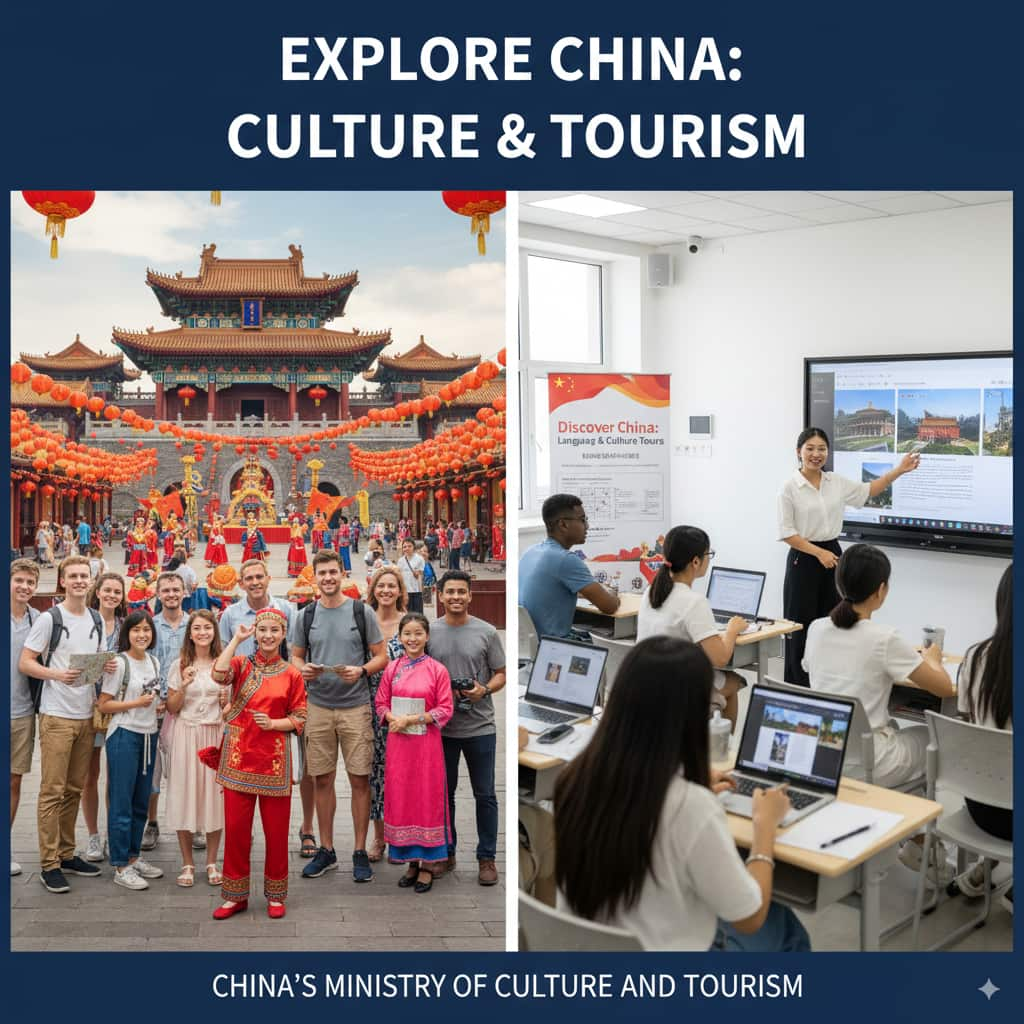
The Ministry of Culture and Tourism of China plays a central role in preserving Chinese cultural heritage while promoting tourism, both domestically and internationally. This government body oversees policies, programs, and initiatives that protect historical sites, support cultural industries, and encourage global engagement with China’s rich traditions. For travelers, students, and cultural enthusiasts, understanding the Ministry’s work provides valuable insight into how China balances heritage preservation with modern tourism development.
History of the Ministry of Culture and Tourism
The Ministry of Culture and Tourism was established in 2018 through the merger of the Ministry of Culture and the National Tourism Administration. This consolidation aimed to streamline cultural and tourism governance, integrating policy-making, resource management, and promotion efforts.
Historically, China’s approach to culture and tourism involved separate agencies managing heritage sites, arts, and travel services. The merger recognized the interconnectedness of culture and tourism: well-preserved heritage sites attract visitors, while tourism revenue supports conservation efforts.
Today, the Ministry oversees a wide range of programs, from protecting UNESCO World Heritage Sites to organizing cultural festivals and promoting traditional arts domestically and abroad. For example, initiatives often highlight landmarks such as the Forbidden City and Great Wall, connecting travelers and learners with China’s historical legacy.
Why the Ministry Matters Today
The Ministry of Culture and Tourism is essential for multiple reasons:
- Cultural Preservation: Ensures that historical sites, artifacts, and traditions are maintained for future generations.
- Tourism Promotion: Develops programs to attract both domestic and international travelers, supporting economic growth and cultural exchange.
- Cultural Education: Publishes research, hosts exhibitions, and facilitates learning opportunities for students and the public.
- Global Engagement: Collaborates with international organizations such as UNESCO to protect cultural heritage and share Chinese culture worldwide.
By combining preservation with promotion, the Ministry enables people to experience China’s history, art, and traditions in meaningful and engaging ways. According to UNESCO, such governance is key to sustaining cultural heritage while promoting global understanding.
Programs and Initiatives
The Ministry’s initiatives cover a wide spectrum of cultural and tourism activities:
- Heritage Site Protection: Safeguarding historic landmarks, temples, museums, and intangible cultural traditions.
- Cultural Festivals: Supporting events such as the Lantern Festival, Dragon Boat Festival, and traditional music and dance performances.
- Tourism Development: Promoting travel routes, heritage tours, and cultural experiences for both domestic and international visitors.
- Education and Research: Partnering with universities, research institutes, and platforms like Malegado to provide language and cultural education programs.
- International Collaboration: Working with organizations worldwide to exchange expertise, preserve heritage, and promote cultural tourism.
How to Engage with the Ministry’s Programs
Travelers, students, and culture enthusiasts can benefit from the Ministry’s programs:
- Visit Heritage Sites: Explore landmarks highlighted in guides like the Colosseum in Rome or Chinese historical sites promoted by the Ministry.
- Attend Cultural Events: Participate in festivals, performances, and exhibitions supported by the Ministry.
- Educational Programs: Take part in workshops, lectures, and language courses that integrate cultural learning, such as those offered by Malegado.
- Research Opportunities: Collaborate with cultural institutions, universities, and research institutes to study heritage preservation and tourism development.
- Travel Responsibly: Follow guidelines for site preservation, respect local customs, and engage with cultural practices authentically.
How Malegado Enhances Engagement with Chinese Culture and Tourism
Malegado complements the Ministry’s initiatives by offering:
- Language Lessons: Learn Mandarin with context from historical sites, festivals, and cultural practices.
- Tutoring Support: Personalized guidance helps learners connect language skills with real-world cultural experiences.
- Cultural Content: Articles, podcasts, and multimedia provide insights into China’s traditions, arts, and heritage.
- Community Learning: Connect with learners worldwide to share experiences, travel tips, and cultural knowledge.
By combining Malegado’s resources with Ministry programs, learners and travelers gain a richer, more immersive experience of Chinese culture, language, and heritage.
Conclusion
The Ministry of Culture and Tourism of China plays a pivotal role in preserving the nation’s cultural heritage while promoting global tourism. Its programs ensure that history, arts, and traditions remain vibrant and accessible for learners, travelers, and researchers alike. Platforms like Malegado enhance this engagement by providing language learning, cultural insights, and community support, creating a complete pathway for exploring Chinese culture. By connecting heritage with education and tourism, the Ministry and Malegado together make China’s rich civilization accessible to the world.