
Linguee Translator English Portuguese Audio: A Complete Guide for Learners
The Linguee translator English Portuguese audio feature helps with pronunciation and context. Pair it with Malegado for complete language learning.
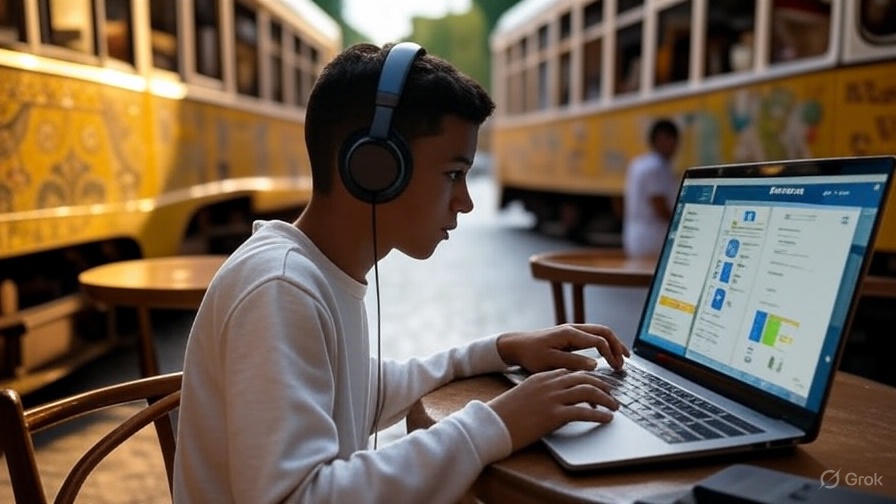
When learning a new language, technology can be a powerful ally. The Linguee translator English Portuguese audio feature has become popular among students, travelers, and professionals who want quick translations with pronunciation support. It combines dictionary-style results with real-world examples, and the audio helps learners practice listening and speaking more effectively.
But translation tools are just one piece of the puzzle. To truly master Portuguese and English, you need to understand the history of translation, the role of audio in language learning, and how platforms like Malegado take you beyond a single tool.
A Brief History of Translation Tools
Translation has always been a bridge between cultures. The first bilingual dictionaries between Portuguese and English appeared in the 17th century, created by traders, missionaries, and scholars who needed practical communication guides. As global trade expanded, dictionaries became vital tools for diplomacy, commerce, and education.
By the late 20th century, digital dictionaries emerged, making lookups faster. Tools like Linguee pushed innovation further by adding sentence examples from authentic texts, creating context-rich translations. Adding audio features helped learners not only understand meaning but also master pronunciation, an essential part of fluency.
Translation has come a long way from heavy printed volumes to mobile-friendly tools. Today, the Linguee translator English Portuguese audio is part of a broader movement making languages more accessible worldwide
.
Why Audio Matters in Language Learning
Words on a page are only half the story. Audio brings language to life. Here’s why it matters:
- Correct Pronunciation: Portuguese has sounds that don’t exist in English, like the nasal vowels in pão (bread). Hearing them helps avoid mistakes.
- Listening Skills: Understanding native speakers requires training your ear to different accents and speeds.
- Confidence in Speaking: Repeating words after hearing them builds muscle memory in your speech.
- Cultural Nuance: Audio exposes you to rhythm, intonation, and emotion, all key to communication.
As BBC Learning English notes, audio-based practice is one of the fastest ways to develop natural pronunciation and listening comprehension.
Practical Tips for Using Linguee Translator English Portuguese Audio
While Linguee is a helpful tool, it works best when you use it strategically.
1. Use It for Pronunciation Practice
Listen to the audio multiple times, then repeat out loud. Record yourself and compare to the original.
2. Study Context, Not Just Words
Linguee shows real sentence examples. Don’t just memorize single-word translations. See how they work in context.
3. Don’t Rely on It Alone
Linguee doesn’t always capture idiomatic expressions or cultural nuances. For instance, ficar de molho literally means “to soak,” but in Portuguese, it also means “to stay home and rest.”
4. Pair with Active Learning
Write down new words, create flashcards, and try using them in conversations. Linguee gives you input, but real fluency comes from output.
Beyond Linguee: How Malegado Complements Your Learning
While the Linguee translator English Portuguese audio helps with translations and pronunciation, Malegado provides a more complete learning journey.
- Structured Lessons: Learn Portuguese step by step, not just word by word.
- Tutoring and Community: Practice with real speakers and ask cultural questions.
- Cultural Exploration: Dive into history, traditions, and literature that dictionaries cannot explain.
- Practical Travel Insights: Planning a trip? Malegado content helps you prepare, just like this guide to Walt Disney World Resort, where language meets travel experience.
Translation tools are valuable, but a platform like Malegado ensures you develop all skills reading, writing, listening, speaking while connecting to Portuguese culture. For example, understanding global cultural heritage, such as the Swahili civilization, shows how language and culture are always intertwined.
Why It Matters in Today’s World
In a globalized society, English and Portuguese are key languages of business, travel, and culture.
- Portuguese is spoken by over 260 million people, not only in Portugal and Brazil but also in Angola, Mozambique, and beyond.
- English remains the world’s most widely used second language.
Knowing both opens doors to international collaboration. A tool like the Linguee translator English Portuguese audio helps learners bridge gaps, but real success comes when it’s combined with cultural knowledge and active practice.
Conclusion
The Linguee translator English Portuguese audio is a powerful resource for anyone learning Portuguese or English. Its combination of translations, real examples, and pronunciation support makes it a useful companion for study, travel, and work.
Yet, true fluency requires more. Malegado offers lessons, tutoring, and cultural discovery, helping you not just translate words but live the language. If you are serious about mastering Portuguese or English, start with tools like Linguee, then expand with Malegado for a complete, culturally rich learning journey.