Learn Kikuyu for Culture: Connect with Heritage
Learn Kikuyu for Culture: Connect with Heritage Language is more than words—it’s the heart of culture.
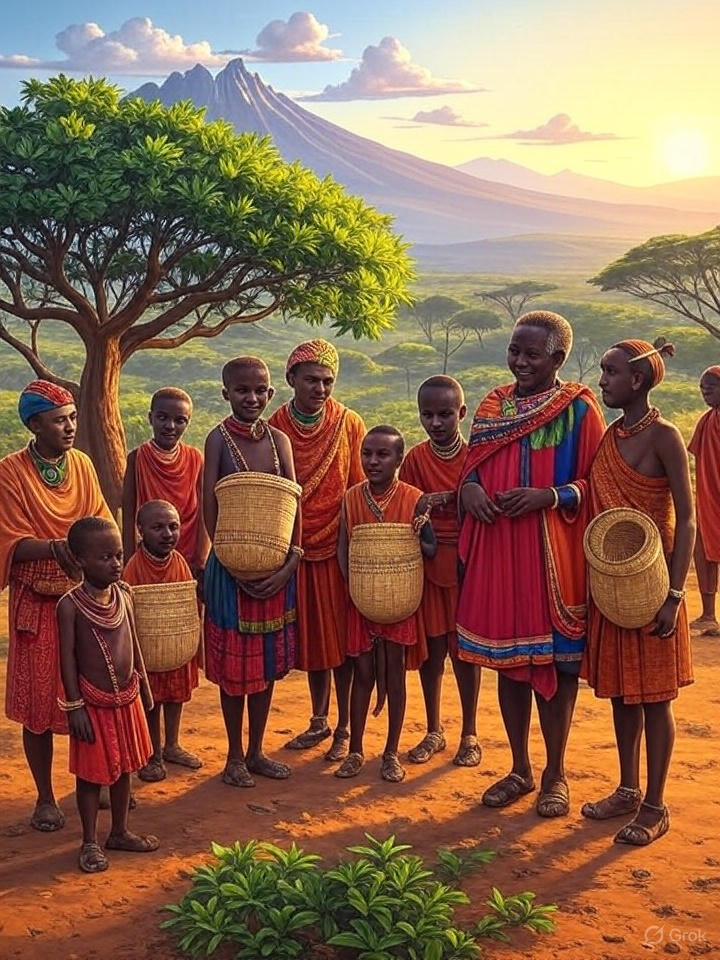
 Why Learn Kikuyu for Culture?
Preserve heritage: Keep traditions alive by learning the mother tongue.
Understand values: Proverbs, greetings, and stories reveal cultural wisdom.
Belonging: Speaking Kikuyu strengthens identity and community ties.
Cultural respect: Learners show appreciation for Kikuyu history and customs.
Cultural Elements in the Kikuyu Language
1. Proverbs (mĩthĩtĩro) – Wisdom passed through generations.
2. Greetings – Show respect and community connection.
3. Songs and chants – Carry history, rituals, and identity.
4. Storytelling (ũgũcokia ndĩra) – Oral tradition that educates and entertains.
5. Family terms – Reflect the importance of kinship in Kikuyu society.
How Language Reflects Kikuyu Culture
Respect in communication: Polite forms show honor to elders.
Community focus: Words highlight relationships and cooperation.
Nature references: Language often ties to land, farming, and seasons.
Spiritual connection: Certain terms express beliefs and rituals.
Steps to Learn Kikuyu for Cultural Insight
1. Start with greetings – Foundation of Kikuyu social life.
2. Study proverbs – Each carries moral lessons and cultural values.
3. Listen to music and folktales – Learn rhythm, tone, and context.
4. Engage with elders or native speakers – Direct connection to traditions.
5. Join cultural groups – Festivals, online forums, or workshops.
Benefits of Cultural Language Learning
Deep understanding of Kikuyu identity.
Better relationships with Kikuyu communities.
Personal growth through exposure to traditions and wisdom.
Contribution to preservation of an endangered heritage.
Practical Tips
Keep a notebook of proverbs and their meanings.
Record conversations with elders for practice.
Watch Kikuyu cultural videos with subtitles.
Use both language and cultural study together for full immersion.
To learn Kikuyu for culture is to embrace more than vocabulary—it’s about connecting with traditions, identity, and values. From proverbs to greetings, music to stories, the language opens doors to understanding and belonging. Start with small steps, stay consistent, and you’ll carry not just words but cultural heritage forward malegado.com