
 App Store
 Google Play
Learn German Fast: A Complete Roadmap to Success
Learn German fast with practical tips, cultural immersion, and Malegado’s community-driven lessons for work, travel, and study.
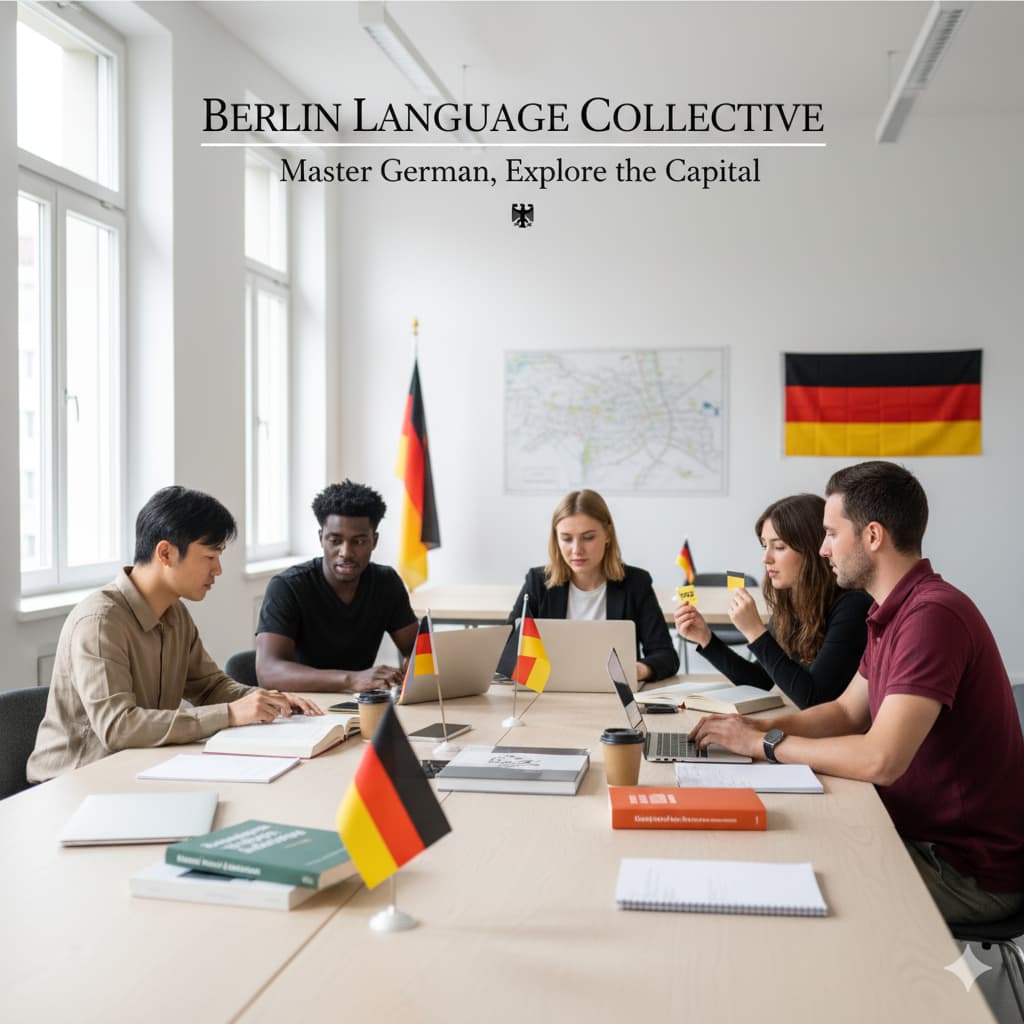
German is often seen as a serious, structured language, but it is also a key to innovation, culture, and opportunity. Spoken by over 130 million people, German is the most widely spoken native language in Europe. If you are eager to learn German fast, you are not just learning grammar and vocabulary you are unlocking access to one of the world’s most influential cultures. This guide explores the history of German, why it matters today, practical strategies for rapid learning, and how Malegado can make your journey smoother.
A Brief History of the German Language
Roots in Indo-European
German belongs to the West Germanic branch of the Indo-European family, along with English and Dutch. Its earliest form, Old High German, was spoken around 500–1050 AD. Early texts like the Hildebrandslied reveal the first structured uses of the language.
Middle to Modern German
By the 11th century, Middle High German developed, marked by poetry and literature such as the Nibelungenlied. The 16th century brought standardization through Martin Luther’s translation of the Bible, which unified dialects and shaped what became Modern High German.
German Spreads Influence
Though never as widespread as English or French through colonization, German left its mark in Central and Eastern Europe. Today, German is the official language of Germany, Austria, and Liechtenstein, and one of Switzerland’s official languages. It is also widely studied across the globe.
Why Learning German Fast Matters Today
1.Travel
Germany attracts millions of tourists annually, with sites like the Black Forest, Berlin’s Brandenburg Gate, and Bavaria’s castles. Understanding German enriches your journey, just as this Malegado article about Machu Picchu shows how language and culture elevate travel experiences.
2.Work and Innovation
Germany is Europe’s largest economy and a global leader in engineering, technology, and research. Companies like BMW, Siemens, and SAP operate internationally but value German speakers. Learning German fast positions you for job opportunities and collaborations.
3.Education
German universities, many tuition-free, attract international students. A solid grasp of German helps you apply, attend lectures, and integrate academically.
4.Culture
From Beethoven’s symphonies to Goethe’s literature and modern cinema, German culture spans centuries. Learning German provides direct access to world-class contributions in art, philosophy, and science. As explored in Malegado’s article on the Forbidden City, language and heritage are inseparable.
Practical Tips: How to Learn German Fast
1. Focus on Cognates
German shares thousands of words with English, like Haus (house) or Musik (music). Recognizing these speeds up comprehension.
2. Master the Articles Early
German nouns have genders: masculine (der), feminine (die), and neuter (das). Learn articles alongside vocabulary to avoid confusion later.
3. Learn Core Phrases
Start with everyday sentences: Wie geht’s? (How are you?), Ich möchte… (I would like…), Wo ist…? (Where is…). This builds quick conversational ability.
4. Listen Actively
Podcasts, German radio, or songs by Rammstein or Nena help attune your ear to accents and rhythm. Repetition sharpens listening skills.
5. Practice Speaking Daily
Don’t wait for perfection. Say sentences out loud, mimic native speakers, and join speaking clubs. Malegado’s community offers real practice spaces.
6. Break Down Grammar
German grammar can intimidate learners, but breaking it into chunks makes it manageable. Start with present tense and cases (nominative, accusative, dative). Gradually expand.
7. Use Flashcards and Spaced Repetition
Apps or flashcards help memorize tricky vocabulary like compound words (Fernsehen = television). Review often for retention.
8. Watch German TV and Movies
Series like Dark on Netflix or films like Good Bye Lenin! introduce modern vocabulary and cultural context.
9. Write Short Notes
Keep a German diary. Even writing “Heute war ein guter Tag” (Today was a good day) helps reinforce structures.
10. Learn Through Culture
Cook German recipes, read German poetry, or celebrate Oktoberfest traditions. Cultural immersion makes vocabulary stick naturally.
How Malegado Helps You Learn German Fast
Malegado’s platform is designed to make fast learning efficient and fun:
- Step-by-Step Lessons: From beginner basics to advanced structures, tailored for speed.
- Grammar Simplified: Bite-sized modules that explain German cases, tenses, and word order clearly.
- Cultural Immersion: Learn German with lessons tied to festivals, music, and traditions.
- Community Speaking Practice: Role-play real-life situations with learners worldwide.
- Work and Travel Prep: Courses designed for business meetings or navigating German cities.
By blending structured learning with culture and community, Malegado accelerates your path to fluency.
External Perspective
According to Britannica, German is one of the world’s major languages, influencing philosophy, science, and the arts. Its importance in Europe makes it highly valuable for learners seeking growth.
Conclusion
German may appear complex, but learning it fast is possible with the right strategies. Prioritize cognates, master basics early, and engage daily with the language. Malegado provides the perfect mix of lessons, culture, and community to ensure rapid progress.
Start today, and soon you’ll find yourself reading Goethe, listening to German music, or chatting with locals on your next trip.