
 Google Play
 Huawei AppGallery
 Samsung Store
Languages Spoken in East Africa: From Swahili to Somali
Languages Spoken in East Africa: From Swahili to SomaliEast Africa is a remarkably vibrant and diverse region, celebrated not only for its breathtaking landscap...
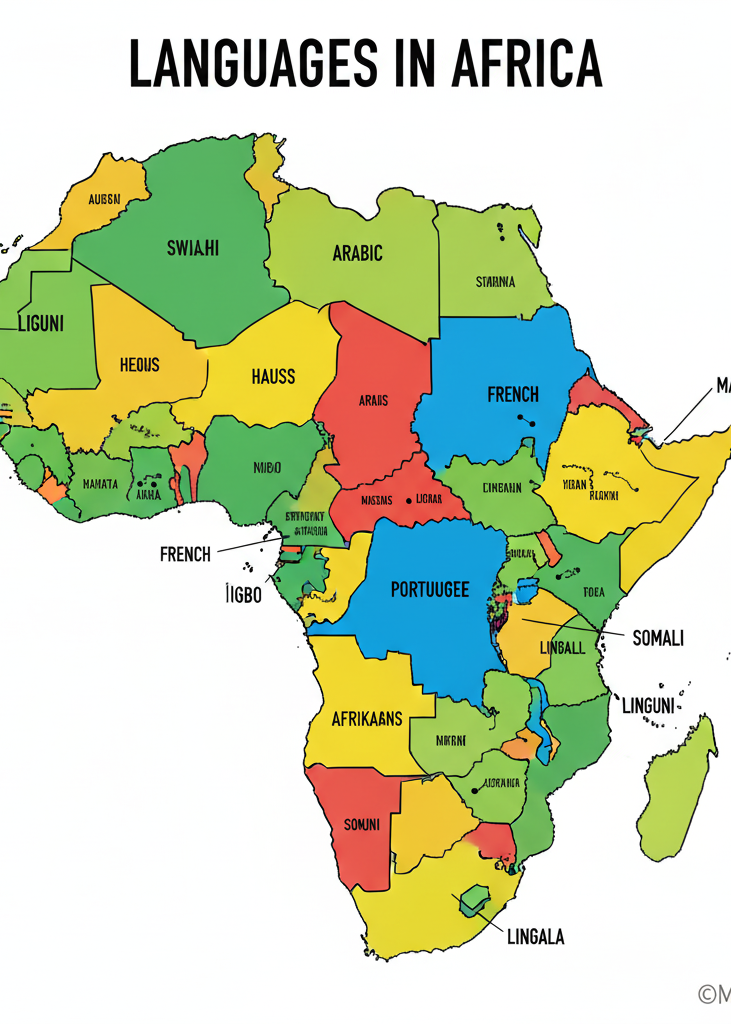
Languages Spoken in East Africa: From Swahili to Somali
East Africa is a remarkably vibrant and diverse region, celebrated not only for its breathtaking landscapes and rich cultures but also for its profound linguistic variety. The languages spoken here offer a historical tapestry, woven by centuries of migration, trade, and colonial influences. This article examines some of the most prominent languages in East Africa, highlighting their significant role in shaping the region's social and cultural fabric.
Swahili: The Lingua Franca
Swahili, also known as Kiswahili, is arguably the most widely spoken language across East Africa. Its significance is multifaceted:
- Official and National Status:
- It serves as the official language of Kenya and Tanzania.
- It is recognized as a national language in Uganda.
- Widespread Usage: Spoken by millions as both a first and second language.
- Linguistic Heritage: A Bantu language that has historically absorbed numerous loanwords from Arabic, Portuguese, English, and other languages due to extensive trade and cultural exchange along the East African coast.
The global importance of Swahili continues to grow, evidenced by its inclusion in educational institutions and its recognition by influential organizations such as the African Union and the United Nations. Functioning as a critical bridge among diverse ethnic groups, Swahili fosters communication and unity within a region characterized by a rich array of local languages.
Somali: A Language of Identity
Somali is a powerfully unifying language, serving as the official language of Somalia and widely spoken in parts of Djibouti, Ethiopia, and Kenya.
- Speaker Base: With over 20 million speakers, it is a significant language in the region.
- Linguistic Family: Belongs to the Cushitic branch of the Afro-Asiatic language family.
- Cultural Significance: Holds immense cultural importance for the Somali people, embodying their history, traditions, and collective identity.
The language has seen considerable development since the 1970s, when it was standardized and adopted as the primary medium of instruction in schools. The global Somali diaspora has also played a crucial role in promoting the language internationally, through dedicated efforts to create and disseminate Somali literature, poetry, and media.
Other Prominent Languages in the Region
Beyond Swahili and Somali, East Africa is a treasure trove of indigenous languages, each contributing uniquely to the region's cultural mosaic. Among the most notable are:
- Amharic:
- Predominantly spoken in Ethiopia, where it holds official language status.
- Associated with a rich and extensive literary tradition.
- Tigrinya:
- Spoken in both Ethiopia and Eritrea, with a significant number of speakers.
- Boasts a noteworthy historical and cultural heritage.
- Oromo:
- Widely spoken in Ethiopia and Kenya.
- Reflects the vibrant culture of the Oromo people, one of the largest ethnic groups in the Horn of Africa.
- Luhya:
- Found in Kenya, where it encompasses several distinct dialects.
- Spoken by the Luhya people, adding to Kenya's diverse cultural landscape.
The Impact of Language Diversity
The linguistic diversity of East Africa presents both considerable strengths and unique challenges. While it profoundly enriches the region's cultural heritage and facilitates distinct expressions of identity, it can also lead to communication barriers and social fragmentation.
In this context, efforts to promote multilingualism and language preservation are crucial. Initiatives focused on developing educational resources in local languages and fostering interethnic communication can significantly enhance social cohesion and encourage a deeper understanding and appreciation of East Africa's diverse communities.
Conclusion
East Africa truly stands as a linguistic paradise, where languages like Swahili and Somali do far more than just facilitate practical communication; they encapsulate the very identities, histories, and cultures of its people. As globalization continues to influence language dynamics worldwide, a steadfast commitment to preserving and promoting the region's rich linguistic heritage will be essential for fostering unity and ensuring continued appreciation for the incredible diversity of East African societies.