

Korean Language Welcome: Mastering Greetings with Malegado
Master the Korean language with Malegado’s engaging lessons and cultural insights. Welcome, Hwan-yeong hamnida. Start greeting in Korean today!
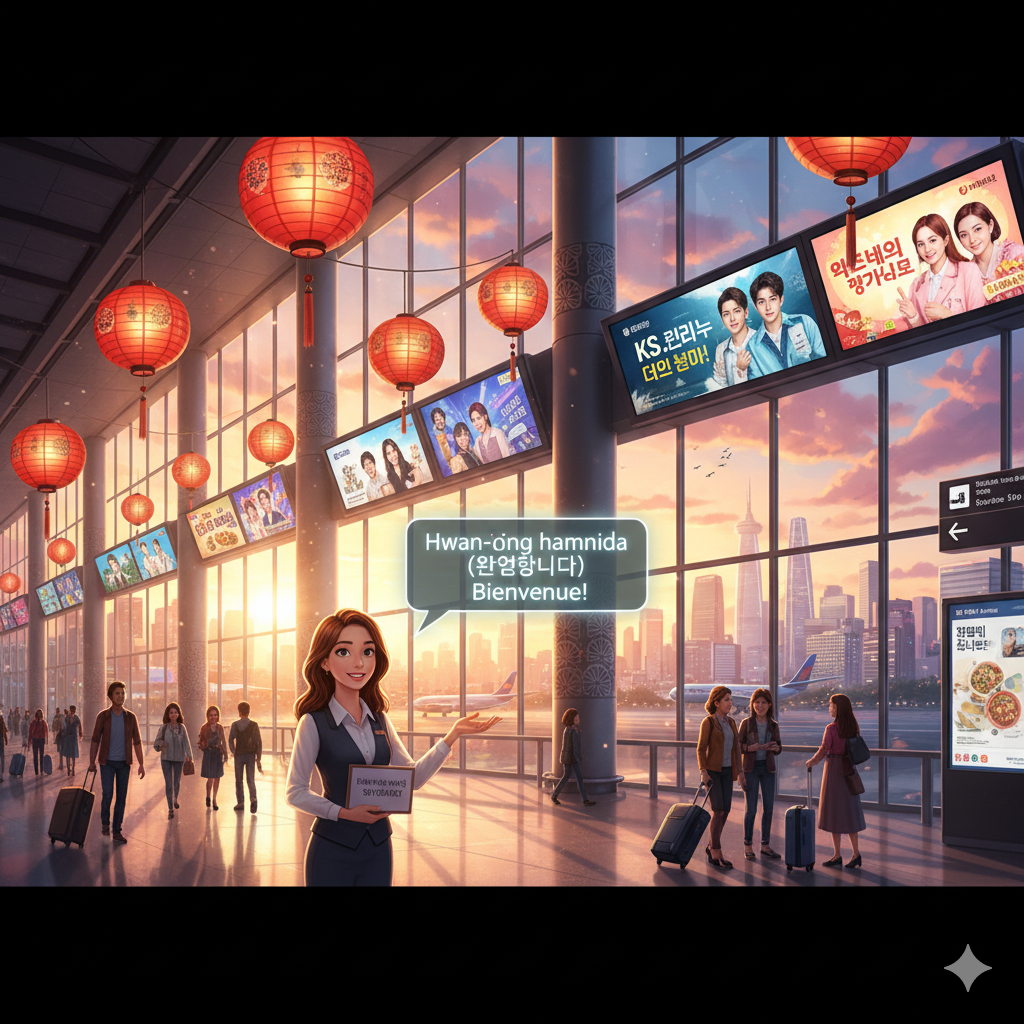
Picture yourself arriving in Seoul, greeted by a friendly hwan-yeong from locals, instantly feeling the warmth of Korean hospitality. The Korean language welcome, often expressed as hwan-yeong hamnida (환영합니다), is more than a greeting; it’s a doorway to Korea’s culture of respect and connection. For French speakers and language learners, mastering this phrase opens doors to authentic interactions and cultural immersion. Let’s explore the history, significance, and practical uses of saying welcome in Korean, and discover how Malegado’s Korean language course can make your learning journey vibrant and rewarding.
The History of the Korean Language Welcome
Origins of the Korean Language
The Korean language, rooted in the Hangul script, was created in 1443 by King Sejong the Great during the Joseon Dynasty. Designed to promote literacy, Hangul replaced complex Chinese characters with a phonetic alphabet of 24 letters. This accessible script shaped Korean’s polite and expressive nature, including welcoming phrases like hwan-yeong hamnida. The language evolved through centuries of cultural exchange, blending ancient traditions with modern influences.
Development of Welcoming Greetings
The phrase hwan-yeong hamnida, meaning “welcome,” reflects Korea’s Confucian values of hospitality and respect. Historically, greetings in Korean were tailored to social hierarchy, with polite forms used for guests or strangers. Over time, hwan-yeong hamnida became a standard way to warmly receive others, especially in formal or public settings like businesses or events. Its use grew as Korea modernized, welcoming global visitors and embracing Western-influenced hospitality.
Modern Role of Welcome
In 2025, hwan-yeong hamnida is widely used in Korea, from airports to restaurants, symbolizing the country’s open-hearted culture. With Korea’s global influence through K-pop, K-dramas, and tourism, saying welcome in Korean connects learners to a vibrant society. For French speakers, who value courteous greetings, hwan-yeong hamnida is an inviting entry point to the Korean language.
Why the Korean Language Welcome Matters Today
The Korean greeting hwan-yeong hamnida is a powerful way to engage with Korea’s culture. Here’s why it’s significant in 2025:
- Travel and Hospitality: South Korea’s tourism, from Seoul’s Gyeongbokgung Palace to Jeju’s beaches, thrives on warm interactions. Saying hwan-yeong hamnida as a host or understanding it as a visitor enhances travel experiences.
- Cultural Connection: K-dramas and K-pop often showcase hospitality, reflecting Korea’s welcoming spirit. Learning hwan-yeong hamnida deepens your connection to these stories, much like exploring the Walt Disney World Resort’s family-friendly vibe.
- Social Etiquette: In Korea, welcoming phrases show respect and warmth, making you a gracious host or guest.
- Language Foundation: Mastering hwan-yeong hamnida introduces Korean’s polite speech patterns, paving the way for fluency.
For more language-learning tips, check out Malegado’s guide on Swahili civilization’s cultural richness.
Practical Tips for Using the Korean Language Welcome
Here are practical ways to master saying welcome in Korean:
- Learn Formal and Casual Forms: Use hwan-yeong hamnida for formal settings, like welcoming guests, and hwan-yeong for casual situations with friends.
- Practice Pronunciation: The phrase hwan-yeong hamnida (hwan-yung ham-ni-da) has a warm, inviting tone. Use Malegado’s audio tools to get it right.
- Understand Context: Hwan-yeong hamnida is ideal for formal welcomes, like at events or businesses, while hwan-yeong suits informal gatherings.
- Pair with Body Language: A slight bow or warm smile enhances hwan-yeong hamnida, aligning with Korean customs of hospitality.
- Use in Real Scenarios: Practice saying hwan-yeong hamnida when hosting Korean friends or watching K-dramas to make it natural.
How Malegado Helps You Master the Korean Language Welcome
Malegado’s Korean language course is your all-in-one solution for learning hwan-yeong hamnida and embracing Korean culture. Here’s how it supports you:
- Interactive Greeting Lessons: Malegado’s lessons teach hwan-yeong hamnida and other greetings with French translations, making them easy to learn and practice.
- Pronunciation Guides: Audio tools help you master the warm tone of hwan-yeong hamnida, ensuring you sound authentic and welcoming.
- Cultural Content: Explore Korean hospitality through Malegado’s articles, similar to those on cultural landmarks like Machu Picchu. Learn about traditions like Seollal or guest etiquette to contextualize your greetings.
- Community Engagement: Join Malegado’s forums to practice hwan-yeong hamnida with native Korean speakers or discuss hospitality customs with fellow learners.
- Expert Tutoring: Malegado’s tutors offer personalized lessons, helping you navigate Korean’s polite speech and cultural nuances tied to welcoming phrases.
With Malegado, saying welcome in Korean becomes a joyful step toward fluency and cultural connection.
The Cultural Power of Korean Greetings
The Korean language welcome, hwan-yeong hamnida, reflects a culture that values hospitality, respect, and community. Hangul, the script behind this phrase, is a UNESCO-recognized cultural treasure for its simplicity and accessibility, as noted by National Geographic. Saying hwan-yeong hamnida connects you to Korea’s heritage, from ancient dynasties to modern K-pop fandoms. It’s a simple yet meaningful way to engage with a global cultural powerhouse.
Real-World Applications of Saying Welcome in Korean
Here are practical scenarios where hwan-yeong hamnida shines:
- Traveling in Korea: At a Seoul guesthouse, you greet guests with hwan-yeong hamnida, creating a warm first impression.
- Hosting Korean Friends: Saying hwan-yeong hamnida when inviting friends to your home shows respect and hospitality.
- Enjoying K-dramas: Recognizing hwan-yeong hamnida in a scene helps you understand the characters’ welcoming gestures.
These moments show how hwan-yeong hamnida fosters connection and cultural understanding.
Overcoming Challenges in Learning Korean Greetings
Learning Korean greetings like hwan-yeong hamnida can have challenges, but Malegado helps you overcome them:
- Politeness Levels: Korean’s honorifics can be tricky. Malegado’s lessons clarify when to use polite forms like hwan-yeong hamnida versus casual hwan-yeong.
- Pronunciation: Sounds like ㅎ (h) can be challenging for French speakers. Malegado’s audio tools help you practice and build confidence.
- Cultural Context: Understanding when to use welcoming phrases takes practice. Malegado’s cultural content explains Korean hospitality norms.
With Malegado’s support, these hurdles become steppingstones to fluency.
Staying Motivated in Your Korean Language Journey
Staying motivated is key to mastering Korean greetings. Set small goals, like learning five new phrases weekly or greeting a friend in Korean. Celebrate progress, such as using hwan-yeong hamnida confidently in a conversation. Malegado’s gamified lessons and community forums keep you inspired and engaged
.
Conclusion
The Korean language welcome, hwan-yeong hamnida, is your gateway to Korea’s culture of hospitality and respect. From its roots in Hangul to its modern role in travel, etiquette, and entertainment, this phrase opens doors to meaningful connections. Malegado’s Korean language course makes learning hwan-yeong hamnida engaging with interactive lessons, cultural content, and community support. Start your Korean journey with Malegado today and embrace the warmth of saying welcome in the language of Korea.