

Korean Language of Thank You: Mastering Gratitude with Malegado
: Master the Korean language of thank you with Malegado’s engaging lessons and cultural insights. Start saying gamsahamnida today!
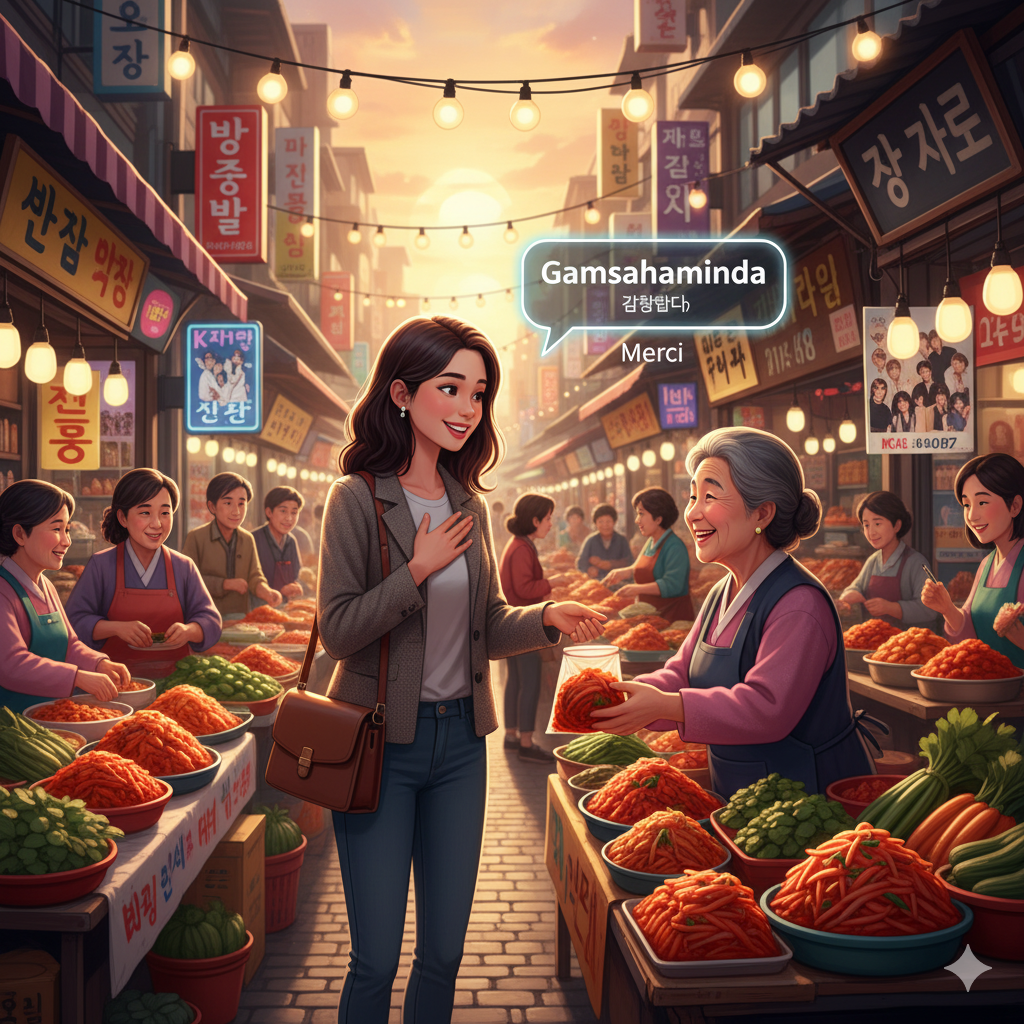
Saying “thank you” in Korean, or gamsahamnida, is more than just a polite phrase; it’s a window into the heart of Korean culture, where gratitude and respect are deeply valued. The Korean language of thank you reflects a society that cherishes meaningful connections, whether you’re thanking a street vendor in Seoul or appreciating a friend’s kindness. For French speakers and language learners, mastering this expression opens doors to authentic cultural experiences. Let’s explore the history, significance, and practical uses of saying thank you in Korean, and discover how Malegado can help you weave gratitude into your language journey.
The History of the Korean Language of Thank You
Origins of the Korean Language
The Korean language, rooted in the unique Hangul script, was created in 1443 by King Sejong the Great to promote literacy among common people. Unlike the complex Chinese characters used by elites, Hangul’s phonetic design made it accessible to all. This democratic spirit shaped Korean’s polite and expressive nature, including its ways of saying thank you. The language evolved through centuries of cultural exchange, from ancient dynasties to modern global influences.
Development of Gratitude Expressions
In Korean, the phrase gamsahamnida (감사합니다), meaning “thank you,” emerged as a formal expression of gratitude, rooted in Confucian values of respect and harmony. Historically, Korea’s hierarchical society emphasized polite speech, with different levels of formality for elders, peers, or strangers. Over time, variations like gomapseumnida (고맙습니다), a slightly less formal thank you, developed for everyday use. These expressions reflect Korea’s emphasis on social bonds, which remain central to its culture today.
Modern Context of Thank You
Today, the Korean language of thank you is a key part of daily interactions, from casual conversations to formal settings. With Korea’s global rise through K-pop, K-dramas, and tourism, saying gamsahamnida connects learners to a vibrant culture. Its polite tone resonates with French speakers, who value etiquette, making it an ideal starting point for language learning.
Why the Korean Language of Thank You Matters Today
The phrase gamsahamnida is more than a word; it’s a cultural bridge. Here’s why it’s significant in 2025:
- Travel and Connection: South Korea’s tourism, from Seoul’s palaces to Jeju’s beaches, thrives on polite interactions. Saying gamsahamnida helps you bond with locals, enhancing your travel experience.
- Cultural Appreciation: K-dramas and K-pop often showcase gratitude, reflecting Korean values. Learning gamsahamnida deepens your connection to these stories, much like exploring the Colosseum’s cultural heritage.
- Social Etiquette: In Korea, politeness is key. Using the right thank you shows respect, making you a welcomed guest or colleague.
- Language Foundation: Mastering gamsahamnida introduces learners to Korean’s polite speech patterns, setting the stage for fluency.
For more language insights, check out Malegado’s guide on Italian-French photo translation.
Practical Tips for Using the Korean Language of Thank You
Here are practical ways to master saying thank you in Korean:
- Learn Formal and Informal Phrases: Use gamsahamnida for formal settings, like thanking a shopkeeper, and gomapseumnida for casual situations, like with friends.
- Practice Pronunciation: The sound gamsahamnida (gam-sa-ham-ni-da) can be tricky. Listen to native speakers on Malegado’s audio tools to get the tone right.
- Understand Context: Korean gratitude varies by situation. For example, kamsa is a casual shortcut among close friends, while gamsahamnida suits strangers or elders.
- Pair with Body Language: A slight bow when saying gamsahamnida shows respect, aligning with Korean customs.
- Use in Real Scenarios: Practice thanking people in Korean restaurants or during K-drama viewings to make it second nature.
How Malegado Helps You Master the Korean Language of Thank You
Malegado is your all-in-one platform for learning the Korean language of thank you and diving into Korean culture. Here’s how it supports you:
- Interactive Phrase Lessons: Malegado’s lessons teach gamsahamnida and other gratitude phrases with French translations, making them easy to learn and practice.
- Pronunciation Guides: Audio tools help you nail the pronunciation of gamsahamnida, ensuring you sound natural and respectful.
- Cultural Content: Explore Korean etiquette through Malegado’s articles, like those on the Forbidden City and Great Wall, to understand when and how to say thank you.
- Community Engagement: Join Malegado’s forums to practice gamsahamnida with native Korean speakers or fellow learners, building real-world confidence.
- Expert Tutoring: Malegado’s tutors offer personalized lessons, helping you master polite speech and cultural nuances tied to gratitude.
With Malegado, saying thank you in Korean becomes a stepping stone to fluency and cultural connection.
The Cultural Significance of Korean Gratitude
The Korean language of thank you reflects a culture that values respect, community, and harmony. Hangul, the script behind gamsahamnida, is a UNESCO-recognized cultural treasure for its accessibility, as noted by National Geographic. Saying thank you in Korean connects you to a heritage that spans ancient dynasties and modern K-pop. It’s a small but powerful way to engage with Korea’s global influence.
Real-World Applications of Saying Thank You in Korean
Here are practical scenarios where gamsahamnida shines:
- Traveling in Korea: At a Seoul café, you say gamsahamnida after ordering bingsu, earning a warm smile from the server.
- Connecting with Locals: Thanking a Korean friend with gomapseumnida for a restaurant recommendation strengthens your bond.
- Enjoying K-dramas: Recognizing gamsahamnida in a heartfelt scene deepens your understanding of the characters’ emotions.
These moments show how the Korean language of thank you fosters connection and respect.
Conclusion
The Korean language of thank you, with phrases like gamsahamnida, is your gateway to Korea’s culture of gratitude and respect. From its historical roots in Hangul to its modern role in travel, etiquette, and entertainment, saying thank you in Korean opens doors to meaningful connections. Malegado makes this journey vibrant with interactive lessons, cultural content, and community support. Start mastering gamsahamnida with Malegado today, and embrace the heart of Korean language and culture.