

Korean Language Happy Birthday: Celebrating with Malegado
Master the Korean language happy birthday with Malegado’s engaging lessons and cultural insights. Start celebrating in Korean today!
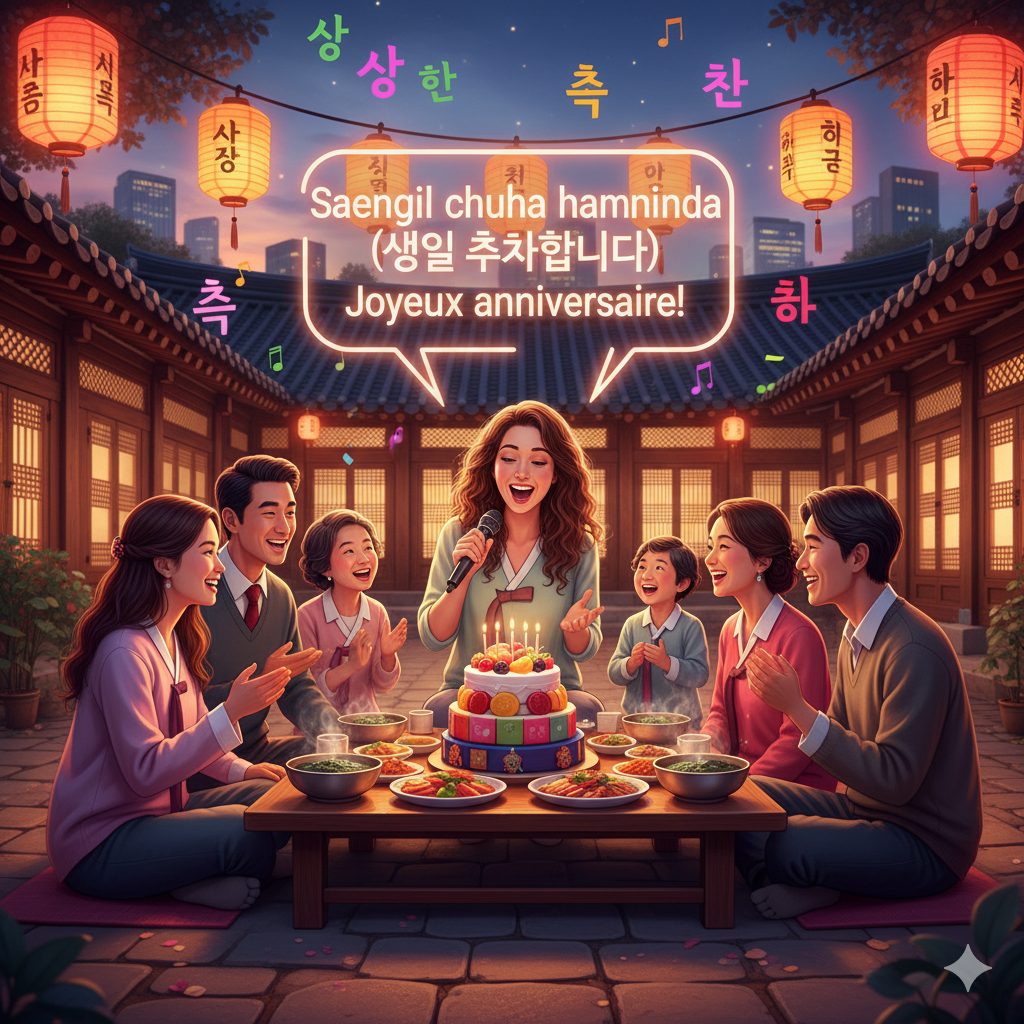
Imagine surprising a Korean friend with a heartfelt saengil chukha hamnida on their birthday, instantly sparking joy and connection. The Korean language happy birthday, or saengil chukha hamnida (생일 축하합니다), is more than a festive phrase; it’s a window into Korea’s warm, celebratory culture. For French speakers and language learners, mastering this expression opens doors to meaningful cultural exchanges. Let’s explore the history, significance, and practical uses of saying happy birthday in Korean, and discover how Malegado can make your learning journey festive and rewarding.
The History of the Korean Language Happy Birthday
Origins of the Korean Language
The Korean language, rooted in the Hangul script, was created in 1443 by King Sejong the Great during the Joseon Dynasty. Designed to promote literacy, Hangul replaced complex Chinese characters with a simple, phonetic alphabet of 24 letters. This accessible script shaped Korean’s expressive nature, allowing celebratory phrases like saengil chukha hamnida to flourish. The language evolved through centuries of cultural exchange, blending ancient traditions with modern global influences.
Development of Birthday Greetings
The phrase saengil chukha hamnida, meaning “happy birthday,” reflects Korea’s tradition of honoring milestones with respect and joy. Historically, birthdays were celebrated quietly, with special attention to significant ages like 60 (hwan-gap), rooted in Confucian reverence for longevity. As Korea modernized, Western-style birthday celebrations, including cakes and songs, became popular, and saengil chukha hamnida emerged as the standard greeting. Its polite tone aligns with Korea’s emphasis on respectful communication.
Modern Birthday Celebrations
Today, saengil chukha hamnida is sung across Korea, from family gatherings to K-pop fan events, often accompanied by a catchy birthday song. With Korea’s global influence through K-dramas and K-pop, this phrase connects learners to a vibrant culture of celebration. For French speakers, who cherish festive expressions, saengil chukha hamnida is an ideal way to dive into Korean language and traditions.
Why the Korean Language Happy Birthday Matters Today
The phrase saengil chukha hamnida is a joyful way to engage with Korea’s culture in 2025. Here’s why it’s significant:
- Cultural Connection: Birthdays in Korea are festive, often featuring seaweed soup and gifts. Saying saengil chukha hamnida shows cultural respect, deepening bonds with locals or friends.
- Travel and Celebration: South Korea’s tourism, from Seoul’s vibrant streets to Jeju’s beaches, includes festive events. Using saengil chukha hamnida enhances travel experiences, like celebrating at Navy Pier’s festive events.
- Social Bonds: In Korea, expressing birthday wishes fosters closeness. This phrase helps you connect with Korean peers or colleagues.
- Language Learning: Mastering saengil chukha hamnida introduces Korean’s polite speech patterns, setting the stage for fluency.
For more language insights, check out Malegado’s guide on the importance of a reliable French-Portuguese translator.
Practical Tips for Using the Korean Language Happy Birthday
Here are practical ways to master saying happy birthday in Korean:
- Learn the Standard Phrase: Use saengil chukha hamnida for formal or polite settings, like greeting elders or acquaintances. For closer friends, try the casual saengil chukha (생일 축하).
- Practice Pronunciation: The phrase saengil chukha hamnida (saeng-il chuk-ha ham-ni-da) has a melodic flow. Use Malegado’s audio tools to get the tone right.
- Understand Context: In Korea, birthday greetings are often paired with gifts or meals. Use saengil chukha hamnida at the right moment, like during a cake-cutting.
- Add Cultural Touches: Pair the phrase with a small bow or a warm smile to align with Korean customs of respect.
- Use in Real Scenarios: Practice saying saengil chukha hamnida at Korean birthday parties or while watching K-dramas to make it natural.
How Malegado Helps You Master the Korean Language Happy Birthday
Malegado is your all-in-one platform for learning the Korean language happy birthday and embracing Korean culture. Here’s how it supports your journey:
- Interactive Phrase Lessons: Malegado’s lessons teach saengil chukha hamnida with French translations, making it easy to learn and practice festive greetings.
- Pronunciation Guides: Audio tools help you master the melodic tone of saengil chukha hamnida, ensuring you sound authentic and celebratory.
- Cultural Content: Explore Korean birthday traditions, like seaweed soup or gift-giving, through Malegado’s articles, similar to those on the Forbidden City and Great Wall.
- Community Engagement: Join Malegado’s forums to practice saengil chukha hamnida with native Korean speakers or share birthday celebration tips with fellow learners.
- Expert Tutoring: Malegado’s tutors offer personalized lessons, helping you navigate Korean’s polite speech and cultural nuances tied to celebrations.
With Malegado, saying happy birthday in Korean becomes a joyful step toward fluency and cultural connection.
The Cultural Power of Korean Birthday Greetings
The Korean language happy birthday, saengil chukha hamnida, reflects a culture that values celebration, respect, and community. Hangul, the script behind this phrase, is a UNESCO-recognized cultural treasure for its accessibility, as noted by Britannica. Saying saengil chukha hamnida connects you to Korea’s heritage, from traditional longevity celebrations to modern K-pop birthday fan events. It’s a small but meaningful way to engage with a global cultural powerhouse.
Real-World Applications of Saying Happy Birthday in Korean
Here are practical scenarios where saengil chukha hamnida shines:
- Celebrating in Korea: At a Seoul restaurant, you sing saengil chukha hamnida for a friend’s birthday, earning smiles from the staff.
- Connecting with Friends: Wishing a Korean classmate saengil chukha strengthens your bond, showing cultural respect.
- Enjoying K-dramas: Recognizing saengil chukha hamnida in a birthday scene deepens your understanding of the characters’ joy.
These moments show how saengil chukha hamnida fosters connection and celebration.
Conclusion
The Korean language happy birthday, saengil chukha hamnida, is your gateway to Korea’s vibrant culture of celebration and respect. From its roots in Hangul to its modern role in birthdays, travel, and entertainment, this phrase opens doors to meaningful connections. Malegado makes learning saengil chukha hamnida fun and effective with interactive lessons, cultural content, and community support. Start your Korean journey with Malegado today and spread joy with every birthday wish.