

Italian Vocabulary: Building Blocks for Language and Culture
Italian vocabulary opens doors to travel, culture, and connection. Explore essential words, history, and tips with Malegado’s learning platform.
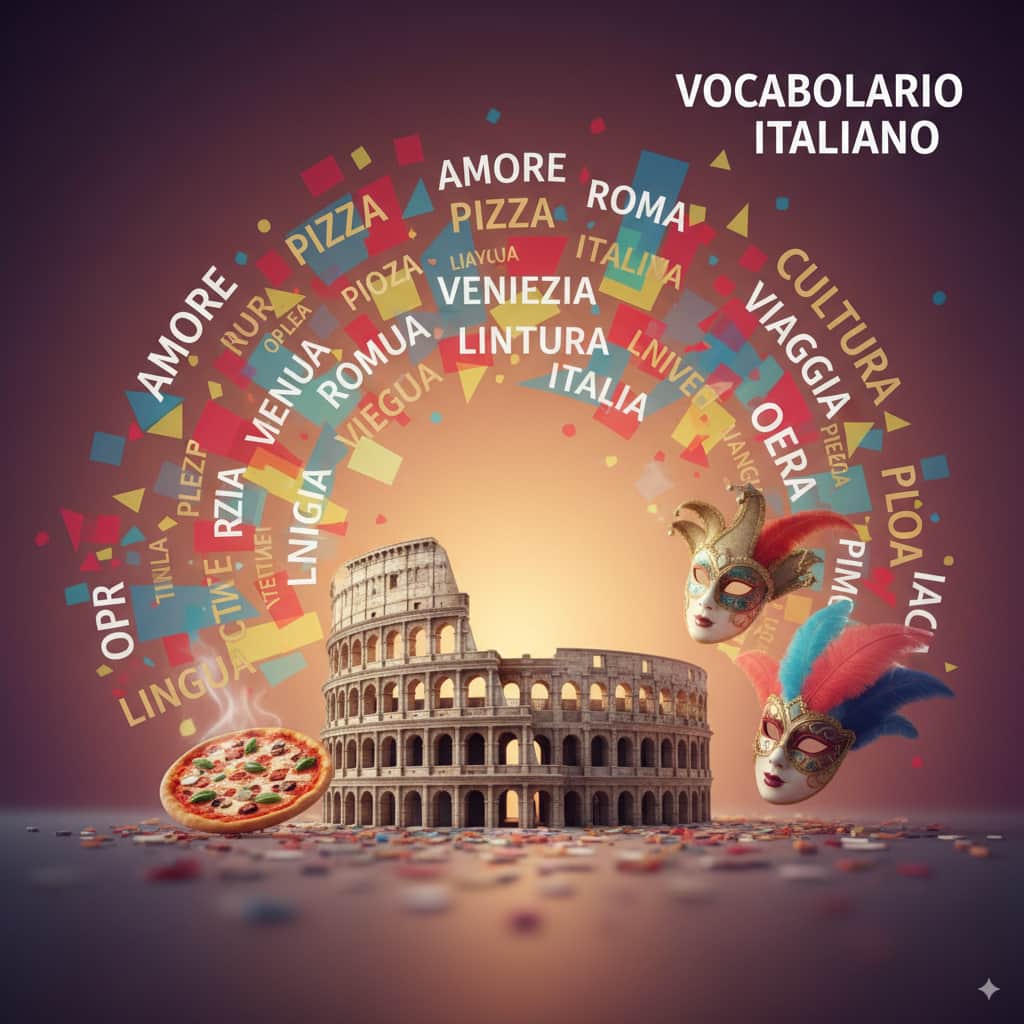
Every language begins with words, and Italian is no exception. Italian vocabulary is the foundation that allows you to communicate, understand, and connect with people in everyday life. From simple greetings like ciao to expressive words like amore, vocabulary gives learners the tools to explore Italy’s rich culture and history.
Whether you are preparing for a trip, studying Italian academically, or simply curious about the language, building your vocabulary is a rewarding first step. In this article, we’ll explore the history of Italian words, why vocabulary matters today, practical tips for learning, and how Malegado helps you make Italian vocabulary part of your daily life.
A Brief History of Italian Vocabulary
Italian vocabulary developed from Vulgar Latin, the everyday language of the Roman Empire. Over centuries, local dialects influenced pronunciation and word choice, leading to variations across regions.
The Tuscan dialect, especially Florentine, became the basis for standardized Italian thanks to literary giants like Dante and Petrarch. This shift gave the language a more unified vocabulary.
Italian also absorbed words from other cultures over time:
- Arabic gave us words like zucchero (sugar).
- French contributed words such as garage.
- English has influenced modern Italian with terms like computer and weekend.
This mix of influences makes Italian vocabulary rich, expressive, and deeply tied to history.
Why Italian Vocabulary Matters Today
Vocabulary is more than memorizing words. It shapes how we connect with culture, ideas, and people.
- Travel: Knowing words like treno (train) or ristorante (restaurant) makes navigating Italy easier.
- Education: Students of art, music, or history often encounter Italian terms like allegro (cheerful) in music or fresco in art.
- Culture: Words carry tradition. For instance, famiglia (family) reflects the deep cultural value Italians place on relationships.
As highlighted in Britannica’s cultural resources, Italian vocabulary is central to understanding not just communication, but Italy’s identity.
Core Categories of Italian Vocabulary
Everyday Essentials
- Ciao – Hello / Bye
- Grazie – Thank you
- Per favore – Please
- Scusa – Excuse me
Travel and Transportation
- Aeroporto – Airport
- Stazione – Station
- Biglietto – Ticket
- Mappa – Map
Food and Dining
- Pane – Bread
- Vino – Wine
- Pizza – Pizza
- Gelato – Ice cream
Family and Relationships
- Mamma – Mom
- Papà – Dad
- Amico/Amica – Friend
- Amore – Love
Numbers and Time
- Uno – One
- Due – Two
- Tre – Three
- Oggi – Today
- Domani – Tomorrow
These categories form the building blocks of communication for beginners and advanced learners alike.
Tips for Learning Italian Vocabulary
1. Learn in themes: Group words by categories like food, travel, or family to make them easier to recall.
2. Use flashcards: Digital or paper cards help with spaced repetition.
3. Practice in context: Instead of memorizing vino, say “Vorrei un bicchiere di vino” (I would like a glass of wine).
4. Engage the senses: Cook Italian food and say the words aloud as you use ingredients.
5. Review daily: Even 10 minutes a day keeps words fresh in memory.
How Malegado Supports Vocabulary Learning
Malegado is designed to make learning vocabulary fun, practical, and meaningful.
- Interactive word lists: Curated for travelers, students, and professionals.
- Cultural discovery articles, like this Malegado guide to the Forbidden City and Great Wall, show how vocabulary and culture intertwine.
- Language translation tools, such as this Malegado resource on Italian-French photo translation, help learners see words in real-life contexts.
- Community exchange: Learners practice with each other, sharing vocabulary tips and cultural insights.
By combining words with real cultural experiences, Malegado transforms vocabulary from static lists into living language.
Practical Vocabulary in Action
Imagine these real-life scenarios:
- Ordering food: Vorrei una pizza e un bicchiere di vino (I would like a pizza and a glass of wine).
- Asking directions: Dove si trova la stazione? (Where is the station?).
- Shopping: Quanto costa? (How much does it cost?).
- Making friends: Piacere di conoscerti (Nice to meet you).
When you use vocabulary in context, it sticks better and builds confidence.
Conclusion
Italian vocabulary is your gateway to culture, travel, and meaningful interactions. Each word carries history, identity, and tradition. Whether you’re learning for travel, study, or personal growth, mastering vocabulary gives you the power to express yourself and understand others.
Malegado makes the process engaging, practical, and culturally rich. By learning vocabulary with Malegado, you gain more than words you gain keys to Italy’s heart.