

Italian Translator: Unlocking the Beauty of the Italian Language
An Italian translator bridges language and culture. From travel to education, discover history, challenges, and how Malegado makes translation meaningful.
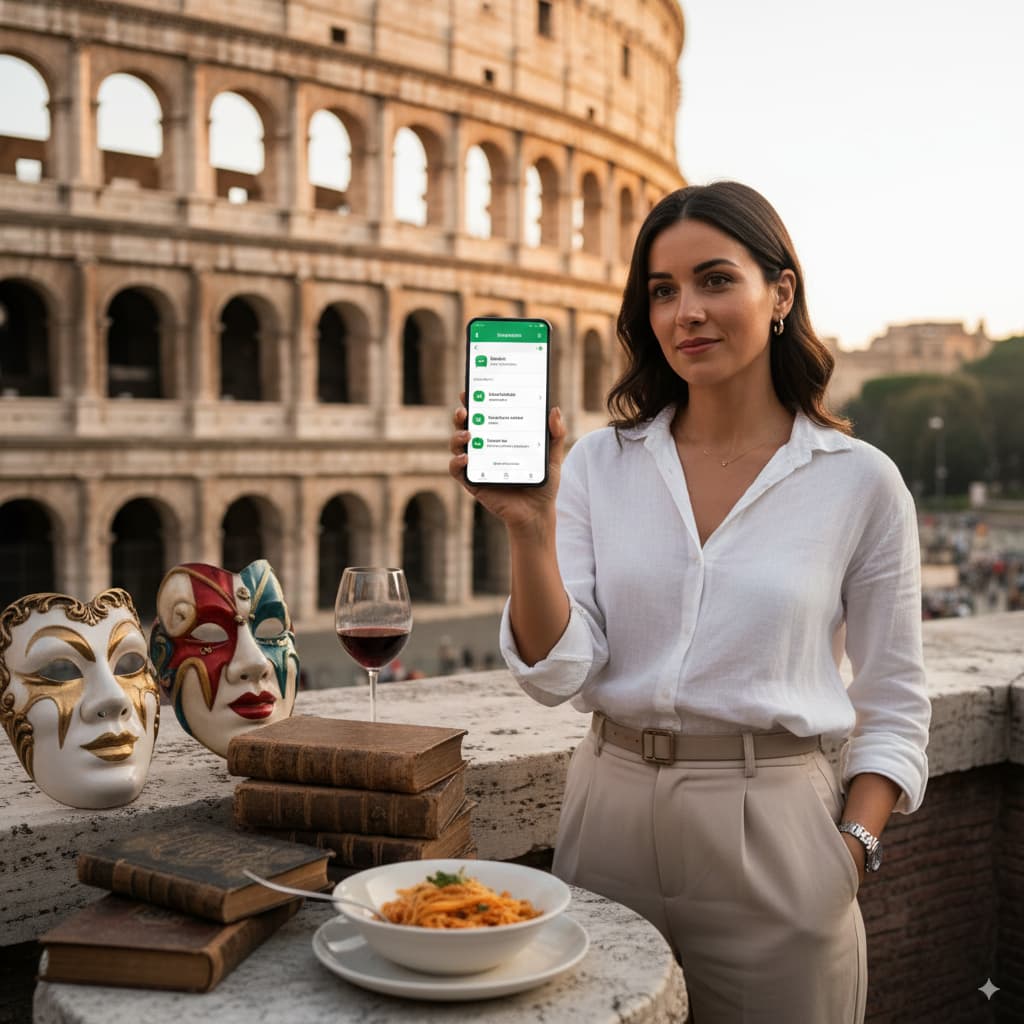
When people think of Italy, they often imagine delicious pasta, breathtaking art, and romantic cities like Florence and Venice. But behind all these cultural treasures lies one unifying element: the Italian language. For learners, travelers, and professionals, having access to an Italian translator is essential.
Whether you are reading La Divina Commedia, communicating with Italian colleagues, or simply trying to order the right dish at a trattoria, translation opens doors. But what does it really mean to translate Italian effectively? Let’s explore the history of Italian, why translators matter, and how platforms like Malegado can take you from word-for-word translation to cultural fluency.
The History of the Italian Language
Roots in Latin
Italian descends directly from Vulgar Latin, the everyday speech of the Roman Empire. While other Romance languages like French, Spanish, and Portuguese diverged significantly, Italian remained closer to Latin in vocabulary and structure.
Dante and the Standardization of Italian
During the Middle Ages, Italy was a patchwork of dialects. Tuscan, spoken in Florence, gained prestige thanks to authors like Dante Alighieri, Petrarch, and Boccaccio. Dante’s Divine Comedy not only revolutionized literature but also became the cornerstone of standardized Italian.
Modern Italian
By the 19th century, with Italy’s unification, Tuscan evolved into the official national language. Today, Italian is spoken by more than 85 million people worldwide and is cherished for its musicality, elegance, and cultural prestige.
Why an Italian Translator Matters Today
- Tourism
Italy receives millions of visitors annually. A reliable Italian translator helps travelers navigate menus, signs, and conversations with locals.
- Business
Italy is a leader in fashion, design, wine, and automotive industries. Companies seeking partnerships rely on Italian translators for contracts, negotiations, and marketing.
3, Education
Italian universities attract international students, especially in fields like art history and architecture. Translators bridge the gap between academic materials and non-Italian speakers.
4.Cultural Appreciation
From opera to literature, translation allows global audiences to access Italian culture. A translated libretto or novel can inspire learners worldwide.
According to UNESCO, safeguarding languages and making them accessible is key to preserving cultural heritage. Italian translation contributes to this global mission.
Challenges in Italian Translation
While beautiful, Italian can be tricky to translate:
- Verb Tenses: Italian has a wide range of tenses, including the congiuntivo (subjunctive), which is often difficult to render in English or other languages.
- Gendered Nouns: Every Italian noun is either masculine or feminine, which doesn’t always align with the target language.
- Idiomatic Expressions: A phrase like “in bocca al lupo” (literally “into the wolf’s mouth”) means “good luck,” but direct translations confuse non-natives.
- Regional Dialects: From Sicilian to Venetian, local expressions may not even be understood by Italians outside the region.
This is why a skilled translator needs cultural knowledge, not just linguistic ability.
Practical Tips for Using an Italian Translator
1.Understand Context: Avoid translating single words in isolation. Sentences and context matter.
2. Beware of False Friends: Words like attualmente (actually “currently,” not “actually”) can mislead learners.
3, Check Idioms Separately: Use a specialized dictionary for idiomatic expressions.
4.Use Translators as Learning Tools: Don’t just copy and paste; analyze why certain words were chosen.
5.Combine Machine and Human Learning: Use free tools for quick checks, but always refine with cultural resources like Malegado.
How Malegado Helps
Malegado elevates Italian translation by blending language with culture. Here’s how:
- Cultural Articles: Guides like the Swahili civilization article show how languages carry history and trade, just like Italian.
- Travel Content: The Machu Picchu feature demonstrates how Malegado links places with language learning—something vital for travelers to Italy.
- Interactive Learning: Malegado lessons provide context, grammar explanations, and practice so that translation isn’t just mechanical.
- Community Engagement: Learners can practice with others, ensuring idioms, tone, and humor translate naturally.
Malegado transforms an Italian translator from a simple tool into a cultural journey.
Conclusion
An Italian translator is more than a dictionary. It’s a bridge to one of the world’s richest cultures. From ancient literature to modern fashion, Italy’s global influence continues to grow, and translation makes it accessible to all.
With Malegado, learners don’t just translate Italian; they live it. Through lessons, cultural guides, and community practice, Malegado ensures that every translation carries the warmth, passion, and authenticity of the Italian spirit.