
Italian Spanish Dictionary: A Key to Learning and Cultural Connection
The Italian Spanish dictionary is a key to learning and culture. Discover its history, uses, and how Malegado helps learners connect languages effectively.
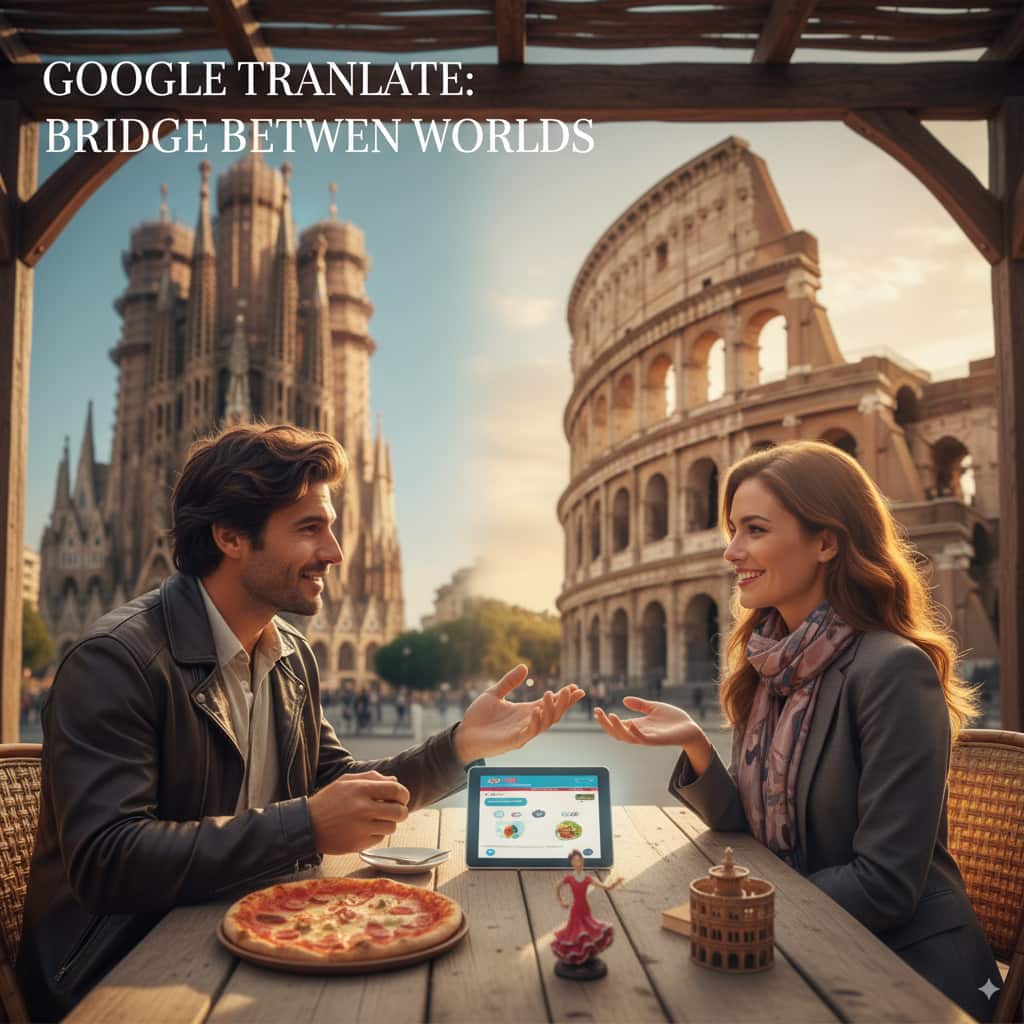
In a world where languages connect people across continents, the Italian Spanish dictionary has become a vital resource. Italian and Spanish are two of the most widely spoken Romance languages, sharing a Latin heritage yet reflecting unique histories and identities. Whether for students, travelers, or professionals, using a reliable Italian Spanish dictionary makes communication smoother and learning faster. In this article, we will explore the history of both languages, why a dictionary matters today, practical tips for using it, and how Malegado enhances the experience with cultural and learning tools.
A Brief History of Italian and Spanish
Italian and Spanish both developed from Vulgar Latin, the common spoken form of Latin during the Roman Empire.
- Italian grew primarily from the Tuscan dialect, which became the basis of standard Italian thanks to literary giants like Dante Alighieri in the 14th century. Florence’s prestige gave Tuscan Italian authority, later solidified when Italy unified in the 19th century.
- Spanish (Castilian) also emerged from Latin but incorporated influences from Arabic during the centuries of Muslim presence in the Iberian Peninsula. By the 15th century, Spanish spread worldwide through colonization, becoming the second most spoken native language today.
Both languages are phonetic and relatively straightforward in spelling, but their grammar and vocabulary differ enough to require dictionaries for proper learning.
Why an Italian Spanish Dictionary Matters Today
The need for an Italian Spanish dictionary extends beyond academic interest. It plays a role in real-world contexts such as:
- Travel: Many Spaniards visit Italy, and Italians travel to Spain. A dictionary helps with menus, directions, and conversations.
- Business: Both nations are leaders in fashion, design, and tourism. Companies collaborate across borders, requiring accurate translations of contracts and presentations.
- Education: Students often learn both languages as second or third languages. Dictionaries guide them in mastering grammar and vocabulary.
- Cultural Exchange: Opera, cinema, and literature from both traditions are better appreciated with precise word knowledge.
With millions of speakers worldwide, Italian and Spanish remain in high demand, making a bilingual dictionary an indispensable tool.
Challenges in Italian-Spanish Translation
Even though Italian and Spanish are closely related, translation between them can be tricky. A few challenges include:
- False friends: Words that look similar but have different meanings. For example, embarazada in Spanish means “pregnant,” not “embarrassed” as it might seem to Italians.
- Verb conjugations: Both languages use complex verb systems, but the endings differ.
- Regional variations: Spanish spoken in Latin America differs from that in Spain, while Italian dialects also influence vocabulary.
- Idiomatic expressions: Phrases like “tirare la toalla” (throw in the towel) exist in both languages but may differ in exact form.
An Italian Spanish dictionary helps learners navigate these subtleties, avoiding misunderstandings.
Practical Tips for Using an Italian Spanish Dictionary
Here are ways to maximize learning through a dictionary:
- Focus on context: Do not just memorize words—see how they are used in sentences.
- Learn thematic groups: Group words by topics such as food, travel, or work.
- Check pronunciation: Dictionaries often include phonetics. Both languages use clear vowel sounds but differ slightly.
- Use digital dictionaries: Apps allow quick searches and examples.
- Practice translation exercises: Pick a paragraph in Italian and translate it into Spanish, then check your dictionary to refine accuracy.
How Malegado Helps
Malegado enhances dictionary use by combining language learning with cultural context. Instead of offering isolated definitions, Malegado integrates history, articles, and community learning. Here’s how:
- Cultural Exploration: Articles such as Forbidden City & Great Wall Guide to China’s Wonders show how language learning connects to heritage. Similarly, Italian and Spanish learners gain cultural insight.
- Practical Translation Guides: Malegado covers bilingual topics like Italian French photo translation, teaching strategies that also apply to Italian-Spanish translation.
- Interactive Learning: Community features allow learners to share idioms, slang, and regional differences not found in standard dictionaries.
- Personalized Pathways: Learners can combine dictionary use with structured lessons, vocabulary practice, and cultural notes.
With Malegado, the Italian Spanish dictionary becomes more than a reference it becomes a living tool for connection.
Broader Importance of Italian-Spanish Dictionaries
The Italian-Spanish relationship goes beyond Europe. In Latin America, Italian immigrants left deep cultural marks in countries like Argentina and Uruguay. Spanish speakers there often encounter Italian words in food, music, and slang. A dictionary makes it easier to trace these cultural links.
Furthermore, both languages play roles in international organizations. The United Nations, European Union, and cultural bodies frequently require Italian-Spanish translations. A bilingual dictionary supports professional translators working at this global level.
According to National Geographic, language is not only about words but also about preserving cultural identities. A dictionary bridges communities while protecting unique heritage.
Conclusion
The Italian Spanish dictionary is more than a tool it is a gateway to understanding, learning, and cultural appreciation. Rooted in Latin yet shaped by centuries of history, Italian and Spanish continue to connect millions worldwide. Whether for study, travel, or professional use, a bilingual dictionary helps learners avoid pitfalls, embrace cultural nuances, and master communication.
With Malegado, the experience goes further. By combining dictionary resources with cultural guides, community learning, and interactive lessons, Malegado transforms translation into a journey of discovery. For anyone passionate about Italian and Spanish, the dictionary is not just about words it is about connection.