
Historic Sanctuary of Machu Picchu: Peru’s Incan Wonder
Machu Picchu, Peru’s legendary Incan citadel, is more than ancient ruins. Perched high in the Andes, it’s a living story of culture, biodiversity, and heritage. Explore its history, sacred design, and why millions around the world see it as a wonder you don’t just see, you feel.
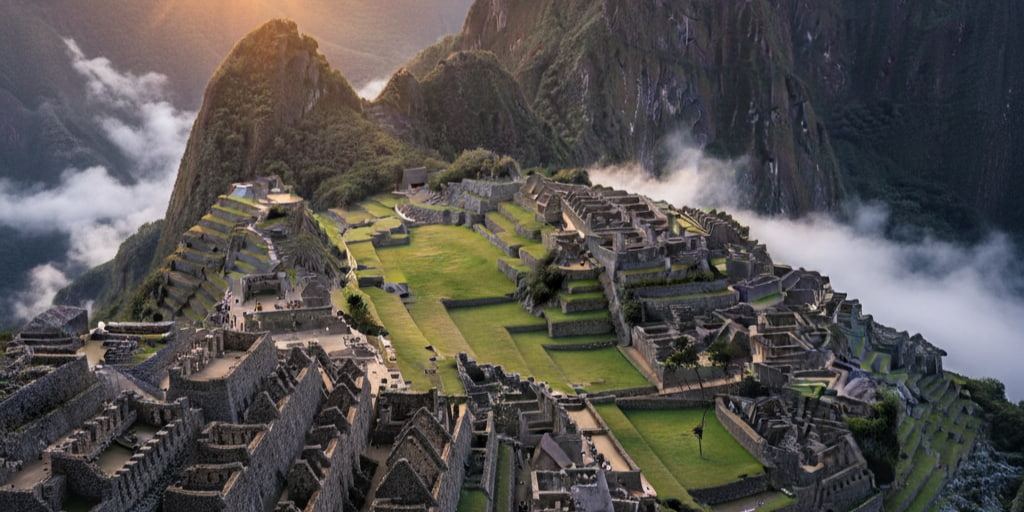
Machu Picchu: Peru’s Timeless Wonder
Before we dive into the details, let’s pause on why Machu Picchu matters. This 15th-century citadel is not just about ruins; it’s about cultural pride, global heritage, and the balance between humanity and nature. That’s why UNESCO and millions of travelers see it as one of the world’s treasures.
- UNESCO World Heritage Site (1983).
- New Seven Wonders of the World (2007).
- Over 1.5 million visitors annually.
Quick Facts
Sometimes the fastest way to understand a place is with quick numbers. Machu Picchu’s stats tell the story of scale, altitude, and importance.
- Location: Andes Mountains, Peru
- Altitude: ~2,430 meters (7,970 ft) above sea level
- Built: ~1450 AD by the Inca Empire
- Discovery: 1911, by Hiram Bingham (though locals already knew of it)
- Language nearby: Spanish, Quechua
- Visitors per year: ~1.5 million
History at a Glance
Machu Picchu is often called “The Lost City of the Incas.” But its real story goes deeper. Built by Inca emperor Pachacuti, it was a ceremonial and political hub before being abandoned after the Spanish conquest. Rediscovered in the 20th century, it became a global symbol of resilience.
- Built ~1450 AD by Pachacuti.
- Served as a royal, religious, and astronomical center.
- Abandoned in the 16th century.
- Brought to global attention in 1911.
The Design
What makes Machu Picchu unique is its Incan engineering. Every terrace, wall, and stone tells of advanced knowledge of agriculture, astronomy, and seismic safety.
- Terraces: Farming platforms prevent erosion.
- Stonework: Mortar-less precision for earthquakes.
- Sacred sites: Temple of the Sun, Intihuatana stone.
- Layout: Agricultural vs. urban zones, blending with nature.
Why UNESCO Protects It
Machu Picchu is not only a historical site, it’s also a biodiversity. The site is part of a vast sanctuary that protects unique plants and animals in the Andes.
- Area: 32,592 hectares of Andean forest.
- Flora: Over 700 plant species, including orchids.
- Fauna: Spectacled bears, Andean foxes, rare birds.
- Heritage: A rare example of nature and culture coexisting.
Visitor Experience
Visiting Machu Picchu is a regulated yet magical journey. Tourists get to step into the Incan world while helping conserve it.
- Routes: Inca Trail, Salkantay Trek, or train from Cusco.
- Rules: Guided tours, timed entries, one-way paths.
- Immersion: Quechua traditions, crafts, and music nearby.
Modern Challenges
Tourism is both a blessing and a risk. Climate change and heavy foot traffic threaten the site, but Peru is working on solutions.
- Threats: Overcrowding, rainfall, erosion.
- Response: Ticket limits, strict visitor caps, restoration.
- Balance: Economy vs. preservation.
Cultural Significance
For Peruvians, Machu Picchu is a sacred reminder of their heritage. It reflects their connection to the Incas and to the land itself.
- Festivals and rituals keep traditions alive.
- Quechua language and stories connect the past to the present.
- A symbol of national pride.
The Takeaway
Machu Picchu is not just a ruin, it’s a living legacy. Every stone and terrace speaks of an advanced civilization that worked with, not against, nature. Preserving it matters for Peru, for South America, and for the world.
It’s a wonder you don’t just see what you feel.