
Greek English Translation Google: History, Tips, and Smarter Learning
Google Translate makes Greek-English easy but not perfect. Explore history, tips, and how Malegado adds depth to Greek English translation for learners.
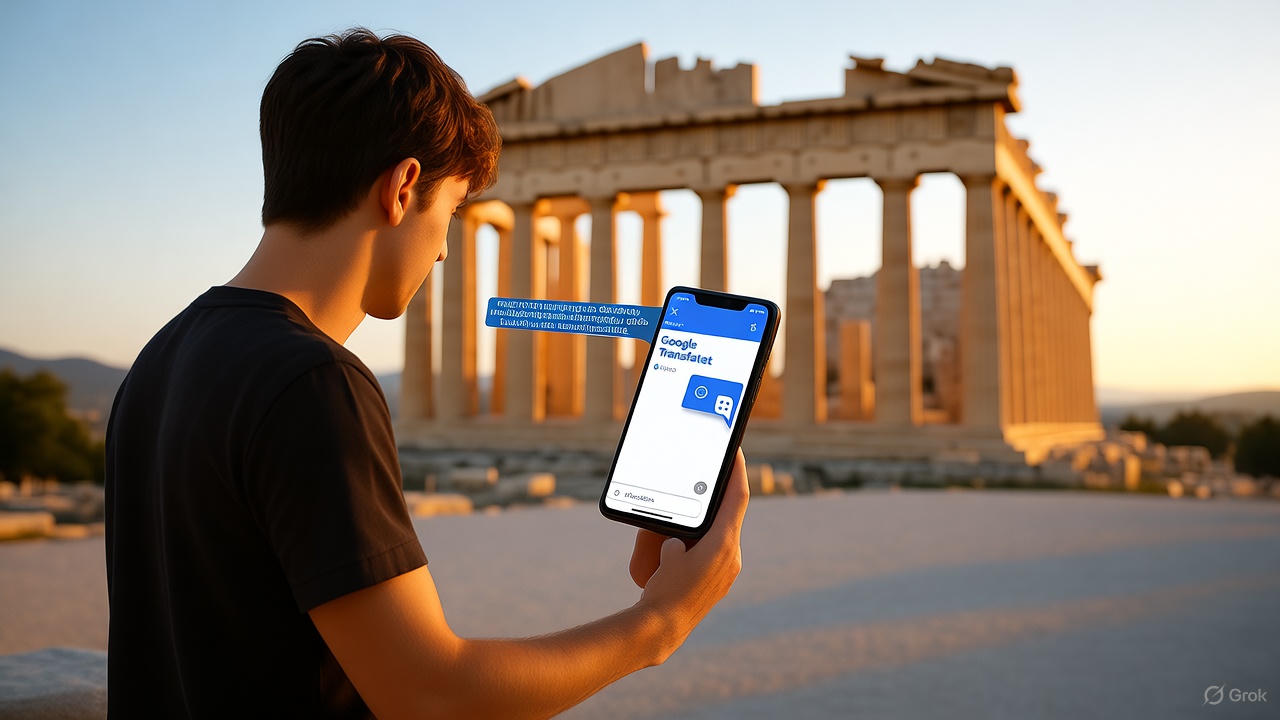
In today’s digital world, translation tools are at our fingertips. One of the most popular ways people connect across languages is through Google Translate. If you have ever searched “Greek English translation Google,” you are part of a growing trend of learners, travelers, and professionals who use this tool daily.
But while it is convenient, is it reliable? To answer that, we need to look at the history of Greek and English, why translation matters today, how to use online tools wisely, and how Malegado offers a deeper, more cultural approach to language learning.
The History of Greek and English Translations
The Greek language is one of the oldest recorded in human history, with texts dating back more than 3,000 years. Ancient Greek was the language of philosophers like Aristotle and Plato, playwrights like Sophocles, and the New Testament of the Bible. Its influence shaped science, medicine, and literature.
English, in contrast, developed much later, evolving from Anglo-Saxon roots around the 5th century CE. As English grew into a global language, it borrowed thousands of Greek words, especially in academic fields. Terms like “biology,” “philosophy,” and “democracy” all trace back to Greek.
Translation between Greek and English became essential as scholars, travelers, and religious communities sought to share knowledge. Early translations were done manually by experts. Today, technology like Google Translate allows instant translations between the two, something unimaginable even a century ago. According to Britannica, translation has always been a bridge of cultures, not just words.
Why Greek-English Translation Matters Today
In modern life, Greek-English translation plays a vital role:
- Travel and Tourism: Greece welcomes millions of visitors each year. Translating menus, signs, and conversations makes travel easier.
- Education: Students studying classics, archaeology, or philosophy often rely on translations of Greek texts.
- Business and Communication: From shipping to technology, international companies often require Greek-English documents.
- Cultural Connection: Translation helps preserve Greek heritage while sharing it with the global community.
Just as Malegado highlights in its article on the Sheikh Zayed Grand Mosque, language is not only practical but also a doorway into culture and identity.
Google Translate and Greek-English
Google Translate, launched in 2006, uses machine learning and artificial intelligence to provide quick translations. For Greek-English translation, it can handle single words, short phrases, or entire paragraphs.
Strengths:
- Instant and free translations.
- Useful for travelers needing quick help.
- Decent accuracy with common words and short phrases.
Limitations:
- Struggles with complex sentences or idiomatic expressions.
- Cultural nuances and tone are often lost.
- Inaccurate translations can cause confusion in professional or academic contexts.
For example, the Greek word filoxenia means much more than “hospitality.” It carries cultural depth about welcoming strangers with generosity. A machine translation may reduce it to a single word, missing the cultural beauty.
Practical Tips for Using Google Translate Wisely
If you plan to rely on Google Translate for Greek-English, here are some tips to improve accuracy:
1. Keep It Simple
Use short sentences and clear grammar. The simpler the phrase, the more accurate the translation will be.
2. Cross-Check Meanings
If a word feels off, look it up in a dictionary or another trusted source.
3. Learn Key Phrases Yourself
Memorize common travel or conversational phrases. This reduces your reliance on translations and makes communication more natural.
4. Use Voice and Camera Features
Google Translate allows you to scan text with your phone camera or use voice input, which can be helpful in real-life situations.
5. Pair with Human Learning
Technology is a tool, not a replacement for true understanding. Learn the basics of Greek pronunciation and grammar to enrich the translation experience.
As Malegado shows in its Machu Picchu guide, cultural context is everything. Language learning is deeper than words—it is about experiences and connections.
How Malegado Enhances Greek-English Learning
While Google Translate gives quick results, it cannot teach you how to use Greek and English in meaningful ways. That is where Malegado steps in.
- Language Lessons: Malegado offers structured lessons that go beyond literal translation, helping learners understand grammar and nuance.
- Cultural Insights: Articles connect language with history, culture, and traditions. For example, learning Greek words related to democracy or theater makes vocabulary come alive.
- Tutoring and Practice: Unlike machine translation, Malegado connects you with real tutors and a community for feedback and conversation practice.
- Balanced Approach: By combining tools like Google Translate with Malegado’s human-centered resources, learners get speed, accuracy, and cultural depth.
With Malegado, Greek-English is not just about words on a screen but about communication, culture, and connection.
Final Thoughts
Searching for “Greek English translation Google” shows how common and important this practice has become. While machine translation offers speed and convenience, it cannot replace the human and cultural understanding that real learning requires.
Malegado bridges this gap, combining the best of technology with lessons, cultural exploration, and a global learning community. Whether you are a traveler, student, or professional, Greek-English translation becomes richer and more meaningful with the right approach.