
Games: How to Learn English the Fun Way
Games are a fun and effective way to learn English. Explore history, tips, and see how Malegado blends play with culture for lasting fluency.
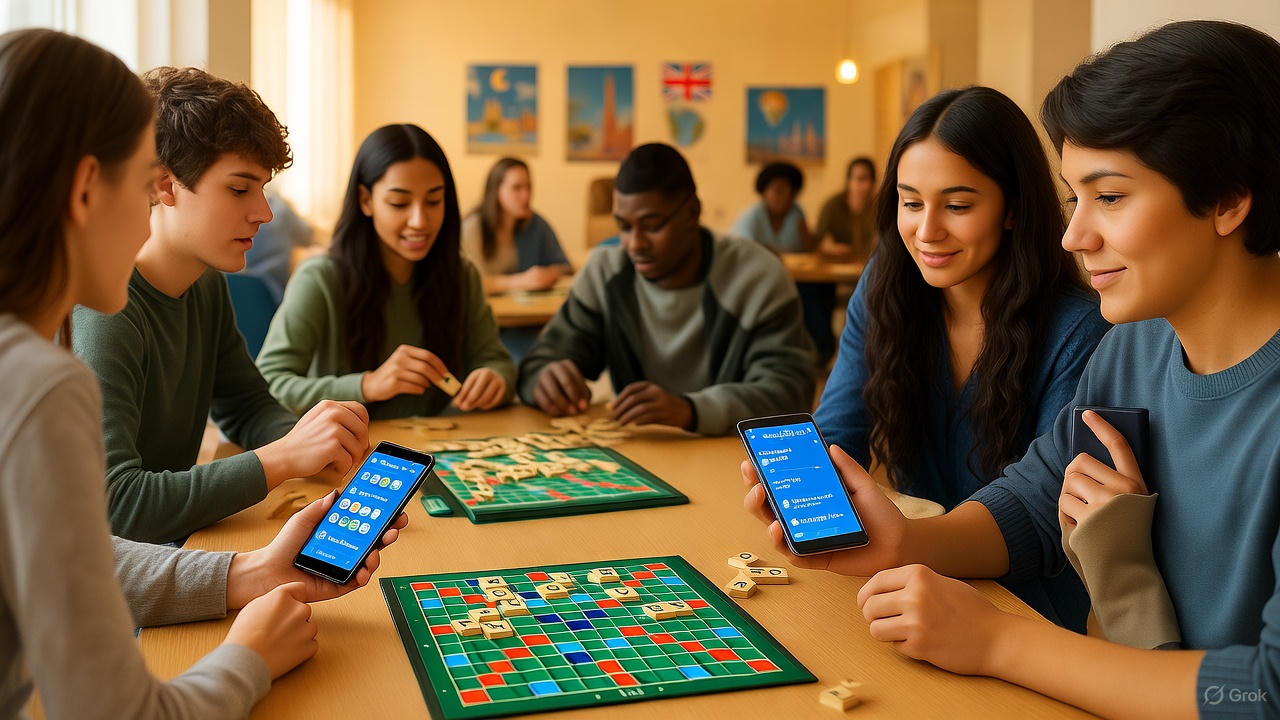
Learning English does not have to be stressful or dull. In fact, some of the most effective ways to improve language skills involve play. From traditional word games to interactive digital platforms, games provide a natural environment where learning happens almost without effort.
The idea of “games how to learn English” is not just about fun. It is about blending entertainment with education, making the journey toward fluency enjoyable, motivating, and long-lasting.
A Brief History of Games in Language Learning
Games and learning have been linked since ancient times. In Ancient Greece, students practiced memorization and rhetoric through competitive word challenges. Similarly, early English schools often used rhymes, riddles, and playful recitations to teach vocabulary.
With the rise of modern education in the 19th century, learning became more structured, and games took a backseat to textbooks and grammar drills. However, research in the 20th century highlighted the value of interactive learning. Educational theorists discovered that games encourage motivation, repetition, and emotional engagement, all of which boost memory.
Today, technology has brought games back into the spotlight. Language learning apps, online quizzes, and even multiplayer video games allow learners to practice English while having fun with friends around the globe. Just as cultural sites like the Colosseum of Rome have stood the test of time, so too has the power of games to engage learners across generations.
Why Games Matter in Learning English Today
Games are not just entertainment. They are powerful tools for building skills, confidence, and cultural awareness.
- Motivation: Games keep learners engaged. The thrill of competition or achievement makes people want to continue.
- Contextual learning: Many games use stories, dialogues, or real-life scenarios, helping learners pick up phrases naturally.
- Collaboration: Multiplayer games allow players to practice English with others, improving communication skills.
- Stress reduction: Games create a safe environment for mistakes, removing the fear of failure.
Just as the Swahili Civilization guide explains how culture thrives through exchange and interaction, language thrives when learners actively participate. Games are one of the easiest ways to do this.
Types of Games to Learn English
Not all games are the same. Each type supports different skills, from vocabulary to fluency.
1. Word Games
Crosswords, Scrabble, and word searches are classics. They build vocabulary and spelling skills while making learners think about word structure.
2. Role-Playing Games (RPGs)
Games where players assume characters and interact through dialogues encourage the practice of conversational English. They also teach cultural references and expressions.
3. Digital and Online Games
From mobile apps to massive multiplayer online games (MMOs), digital platforms provide interactive spaces where learners can chat, collaborate, and learn in real-time.
4. Classroom Games
Teachers often use activities like “Simon Says,” charades, or word bingo to make lessons more engaging. These group games encourage listening comprehension and quick thinking.
5. Quiz and Trivia Games
These are perfect for practicing general knowledge while learning new words and phrases. They combine entertainment with education seamlessly.
Practical Tips for Learning English Through Games
Games are powerful, but using them wisely enhances their impact.
- Set learning goals: Decide whether you want to focus on vocabulary, speaking, or listening.
- Balance fun and focus: Play for enjoyment, but take notes on new words and phrases.
- Use multiplayer options: Engage with players who speak English to practice real communication.
- Mix traditional and digital: Combine classic board games with modern apps to cover different skills.
- Reflect after playing: Write down new words and try to use them in daily conversations.
How Malegado Supports Playful Learning
Malegado takes the spirit of games and builds it into its language learning philosophy.
- Interactive lessons: Malegado designs activities that feel like games, with quizzes, challenges, and storytelling.
- Community engagement: Learners can practice English with peers worldwide, turning study into a social experience.
- Cultural depth: Games may teach words, but Malegado helps learners understand the cultural meaning behind them. For example, knowing when and how to use polite phrases in English is just as important as knowing the words themselves.
- Blended learning: Malegado encourages learners to use tools like dictionaries, media, and yes, games, to reinforce learning naturally.
Just as people use guides to explore historic places like Machu Picchu, Malegado acts as your guide in the adventure of language learning.
Final Thoughts
The phrase “games how to learn English” captures an important truth: learning works best when it feels enjoyable. Games provide the perfect mix of fun, motivation, and skill-building.
Whether you play a crossword on the train, chat in an online RPG, or join a classroom quiz, games make English learning feel less like a chore and more like a journey. With Malegado, you can take that journey even further, combining the joy of play with expert guidance, cultural insight, and a supportive community.