
 Google Play
 App Store
 Huawei AppGallery
Exploring Yoruba Culture: Traditions and History
Yoruba culture is a vibrant force in West Africa, deeply rooted in the history and traditions of the Yoruba people. With over 40 million speakers across Nigeria...
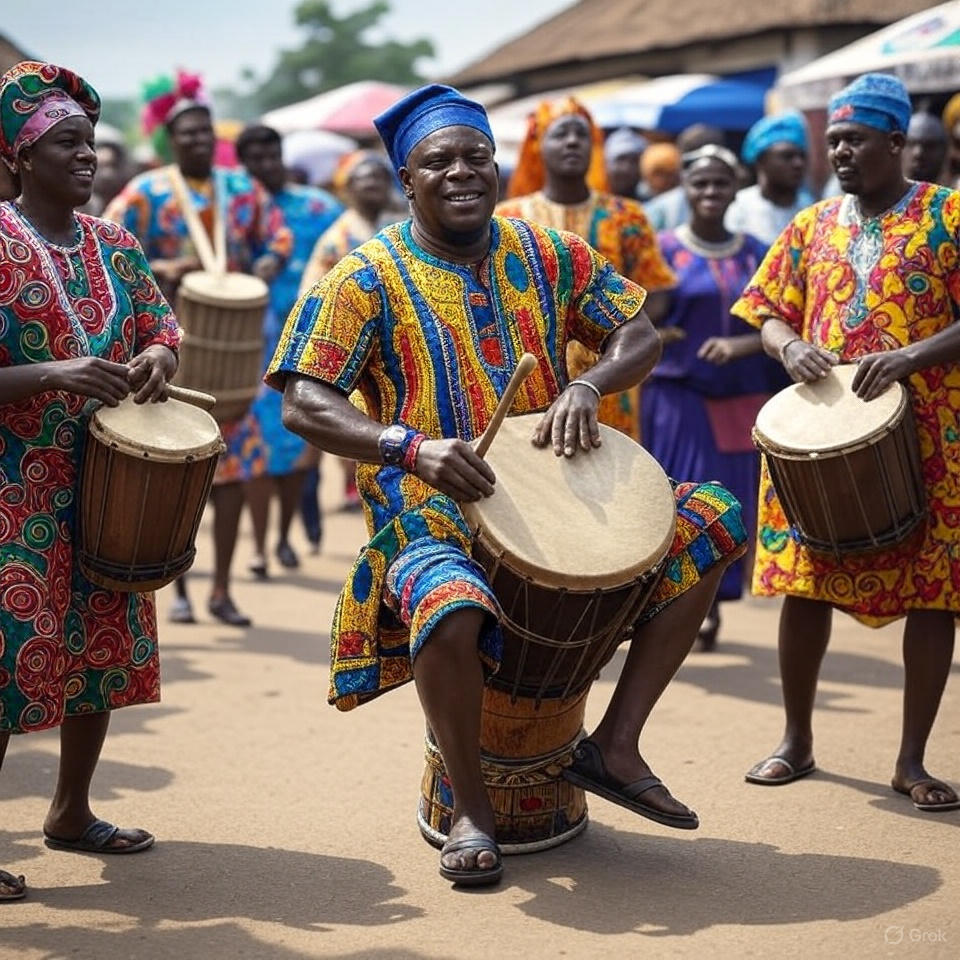
Yoruba culture is a vibrant force in West Africa, deeply rooted in the history and traditions of the Yoruba people. With over 40 million speakers across Nigeria, Benin, Togo, and the diaspora, Yoruba culture shapes communities through its language, art, and rituals. Known for its oral traditions, elaborate festivals, and intricate craftsmanship, this culture offers a window into a dynamic past. This article explores Yoruba culture, highlighting its traditions and historical depth that continue to thrive today.
The Historical Foundations of Yoruba Culture
Yoruba culture traces its origins to the ancient city of Ile-Ife, considered the spiritual and cultural birthplace of the Yoruba people. Historians believe this civilization emerged over a thousand years ago, with kingdoms like Oyo and Benin growing from its influence. The Yoruba developed advanced political systems, with kings called Obas ruling with divine authority. Archaeological findings, such as bronze and terracotta works, show their skill in art and governance. This history laid the foundation for Yoruba culture’s enduring legacy.
The Role of Language and Oral Tradition
The Yoruba language is a cornerstone of their culture, rich with proverbs and storytelling. Griots, or oral historians, pass down tales of gods, heroes, and kings, keeping history alive. Phrases like “A kì í sọ̀rọ̀ tí a kò mọ̀” (One does not speak of what one does not know) reflect wisdom embedded in the language. These stories often center on the Yoruba pantheon, including deities like Ogun (god of iron) and Oshun (goddess of rivers). This oral tradition strengthens community bonds and preserves Yoruba culture.
Traditional Festivals and Celebrations
Festivals are a vibrant expression of Yoruba culture. The Osun-Osogbo festival honors Oshun with a procession to the Osun River, where devotees offer prayers and gifts. Egungun festivals celebrate ancestors, with masked dancers embodying spirits in colorful costumes. These events feature drumming, dancing, and feasting, drawing communities together. Music from instruments like the talking drum (gangan) sets the rhythm, reflecting the Yoruba people’s spiritual and social life. Such celebrations keep Yoruba culture alive and dynamic.
Art and Craftsmanship in Yoruba Culture
Yoruba culture is renowned for its artistic heritage. Sculptures from Ile-Ife, like the famous bronze heads, showcase early mastery of metalwork. Woodcarving produces masks and figures used in rituals, each with symbolic meaning. Beadwork adorns royal attire, signifying status, while textiles like Aso Oke feature bold patterns. These crafts, passed down through generations, highlight the Yoruba people’s creativity and skill. Art remains a living part of Yoruba culture, seen in homes and ceremonies.
Family and Community Life
Family and community are at the heart of Yoruba culture. Extended families live together, with elders guiding younger generations. Respect for age is shown through greetings like “E ku’le” (Good evening) to seniors. Villages are organized around compounds, where shared spaces foster unity. Marriage ceremonies involve elaborate rituals, including the payment of bride price, symbolizing commitment. This strong sense of community supports the Yoruba people’s cultural continuity across regions.
Religion and Spiritual Practices
Yoruba culture is deeply spiritual, with a belief in a supreme god, Olodumare, and numerous orishas (deities). Traditional religion influences daily life, with shrines dedicated to orishas like Sango (god of thunder). Divination, using tools like the Ifa corpus, guides decisions and resolves conflicts. Even with the spread of Christianity and Islam, many Yoruba blend these faiths with traditional practices. This spiritual richness shapes Yoruba culture’s identity and resilience.
Food and Culinary Traditions
Yoruba cuisine reflects the land’s abundance. Dishes like pounded yam with egusi soup or amala with gbegiri (bean soup) are staples, made from local ingredients like yam and melon seeds. Palm oil and peppers add flavor, while jollof rice brings communal joy. Meals are often prepared for gatherings, reinforcing social ties. Cooking techniques and recipes, handed down through families, are a delicious part of Yoruba culture.
Influence of Yoruba Culture in the Diaspora
Yoruba culture extends beyond Africa through the Atlantic slave trade. In Brazil, Cuba, and the United States, descendants practice Candomble and Santeria, blending Yoruba beliefs with local traditions. The orishas are honored with dances and offerings, keeping Yoruba culture alive. Music genres like salsa and reggae carry Yoruba rhythms, while foods like acaraje in Brazil echo Yoruba recipes. This global reach shows the enduring power of Yoruba culture.
Challenges and Preservation Efforts
Yoruba culture faces pressures from modernization and globalization. Urbanization can erode traditional practices, and younger generations may favor English over Yoruba. Yet, efforts to preserve it are strong. Cultural festivals, schools teaching Yoruba language, and organizations promote heritage. The diaspora also plays a role, maintaining traditions abroad. These initiatives ensure Yoruba culture remains vibrant and relevant.
Connecting with Yoruba Culture
To explore Yoruba culture, engage with its elements. Watch documentaries on Ile-Ife or listen to Yoruba music like Fuji by King Sunny Ade. Try cooking jollof rice or attend a local festival if possible. Visiting Nigeria offers a chance to see royal palaces or markets firsthand. These experiences bring you closer to the Yoruba people’s rich traditions.
Learn Yoruba with Malegado
Yoruba culture’s traditions and history offer a fascinating glimpse into West Africa’s soul. From ancient kingdoms to vibrant festivals, its legacy endures. If you wish to learn the Yoruba language and dive deeper into this culture, Malegado can guide you. Malegado provides resources, courses, and cultural insights to support your journey. Visit Malegado to start exploring Yoruba culture today.
Conclusion
Exploring Yoruba culture reveals a world of rich traditions and history, from the art of Ile-Ife to the rhythms of the talking drum. The Yoruba people’s community life, spirituality, and cuisine reflect a heritage of resilience and creativity. Their influence spans the globe, keeping Yoruba culture alive. Malegado offers a path to learn Yoruba and connect with this vibrant legacy. Embrace the journey and discover the beauty of Yoruba culture.