
Exploring Wolof Culture: Traditions & History
Wolof culture is a dynamic force in West Africa, rooted in the traditions of the Wolof people of Senegal and The Gambia. With over 6 million speakers, the Wolof...
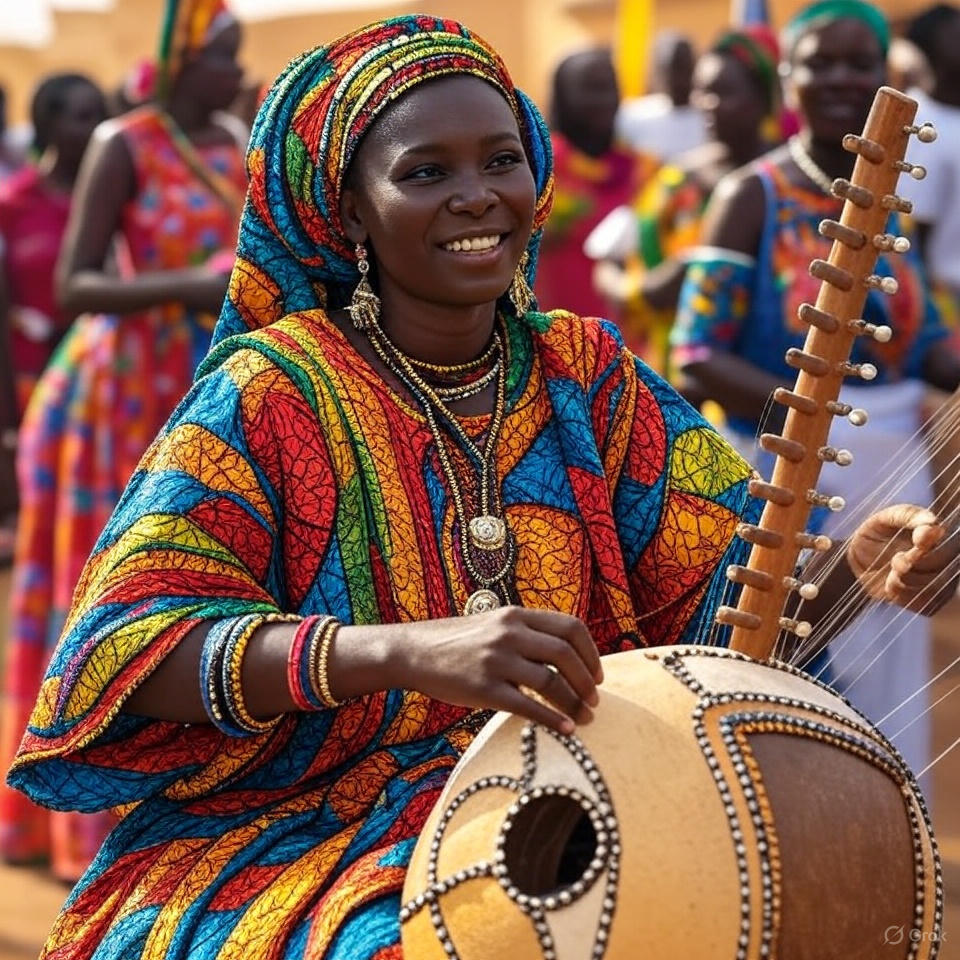
Wolof culture is a dynamic force in West Africa, rooted in the traditions of the Wolof people of Senegal and The Gambia. With over 6 million speakers, the Wolof are known for their language, music, and social customs. Their culture reflects a history of resilience and creativity, seen in festivals, crafts, and daily life. This article explores Wolof culture, tracing its traditions and historical significance that thrive today.
Historical Foundations of Wolof Culture
Wolof culture traces its origins to the Senegal River Valley, with early settlements dating back to the 13th century. The Wolof people formed powerful kingdoms, including the Jolof Empire, which dominated the region until the 16th century. Trade in gold and salt fueled their growth, while Islamic influences shaped their society. This historical depth laid the foundation for the rich Wolof culture that endures.
The Role of Language and Oral Tradition
The Wolof language is a cornerstone of their culture, filled with proverbs and poetic expressions. Griots, or storytellers, preserve history through tales of kings and heroes, like the legendary Ndiadiane Ndiaye. Sayings like “Laajoñu nit ñuul” (Unity is strength) reflect communal values. These oral traditions keep Wolof culture alive, passed down through generations.
Traditional Festivals and Celebrations
Festivals are a lively part of Wolof culture. The Magal of Touba honors the founder of the Mouride brotherhood, drawing millions with prayers and parades. The Ndut initiation ceremony marks boys’ transition to adulthood with rituals and feasting. Music from the kora (harp) and sabar (drum) fills the air, uniting communities. These celebrations showcase the Wolof people’s spiritual and social bonds.
Art and Craftsmanship in Wolof Culture
Wolof culture excels in artistic expression. Woodcarvings, like the intricate designs on stools and masks, carry cultural meanings. Textile art, including vibrant bazin fabric, adorns clothing for ceremonies. Jewelry made from silver and beads signifies status. These crafts, handed down through families, highlight the Wolof people’s skill and pride in their culture.
Family and Community Life
Family and community are central to Wolof culture. Extended families live together, with elders holding respected roles. Greetings like “Naka nga def?” (How are you?) show respect and warmth. Villages organize around compounds, where decisions are made collectively. Marriage involves elaborate ceremonies, including the “lakk” (dowry), strengthening social ties. This structure supports Wolof cultural continuity.
Religion and Spiritual Practices
Wolof culture is deeply influenced by Islam, adopted since the 11th century. The Mouride and Tijaniyya brotherhoods shape daily life with prayers and teachings. Traditional beliefs, like reverence for ancestors, blend with Islamic practices. Religious festivals and pilgrimages, such as the Grand Magal, reflect this spiritual richness, guiding Wolof culture.
Food and Culinary Traditions
Wolof cuisine reflects the region’s flavors. Dishes like thiéboudienne (fish and rice) or yassa (marinated chicken) use local ingredients like millet and onions. Spices and peanut sauce add depth, and meals are shared communally. Cooking methods, passed down through generations, are a savory part of Wolof culture.
Influence of Wolof Culture in the Diaspora
Wolof culture extends globally through migration. In France and the U.S., Wolof music and dance influence urban scenes. The sabar rhythm appears in global genres like hip-hop. Food like thiéboudienne is enjoyed in diaspora communities, showing the resilience of Wolof culture beyond Africa.
Challenges and Preservation Efforts
Wolof culture faces pressures from globalization and urbanization. The rise of French and English can overshadow the Wolof language. Yet, preservation efforts are strong. Schools teach Wolof, and cultural festivals promote music and dance. The diaspora also maintains traditions, ensuring Wolof culture endures.
Connecting with Wolof Culture
To explore Wolof culture, engage with its elements. Watch documentaries on the Jolof Empire or listen to Youssou N’Dour’s music. Try cooking thiéboudienne or attend a local festival if possible. Visiting Senegal offers a chance to see Dakar’s markets or Touba’s mosques firsthand. These experiences bring you closer to Wolof traditions.
Learn Wolof with Malegado
Wolof culture’s traditions and history offer a captivating glimpse into Senegal and The Gambia’s soul. From ancient kingdoms to vibrant festivals, its legacy thrives. If you wish to learn the Wolof language and dive deeper into this culture, Malegado can guide you. Malegado provides resources, courses, and cultural insights to support your journey. Visit Malegado to start exploring Wolof culture today.
Conclusion
Exploring Wolof culture reveals a world of rich traditions and history, from the art of woodcarving to the rhythms of the sabar drum. The Wolof people’s community life, spirituality, and cuisine reflect a heritage of resilience and creativity. Their influence spans the globe, keeping Wolof culture alive. Malegado offers a path to learn Wolof and connect with this vibrant legacy. Embrace the journey and discover the beauty of Wolof culture.