
 Google Play
 App Store
 Huawei AppGallery
Exploring Igbo Culture: Traditions & History
Igbo culture is a rich and dynamic part of southeastern Nigeria, shaped by the Igbo people’s history and traditions. With over 30 million speakers, the Igbo are...
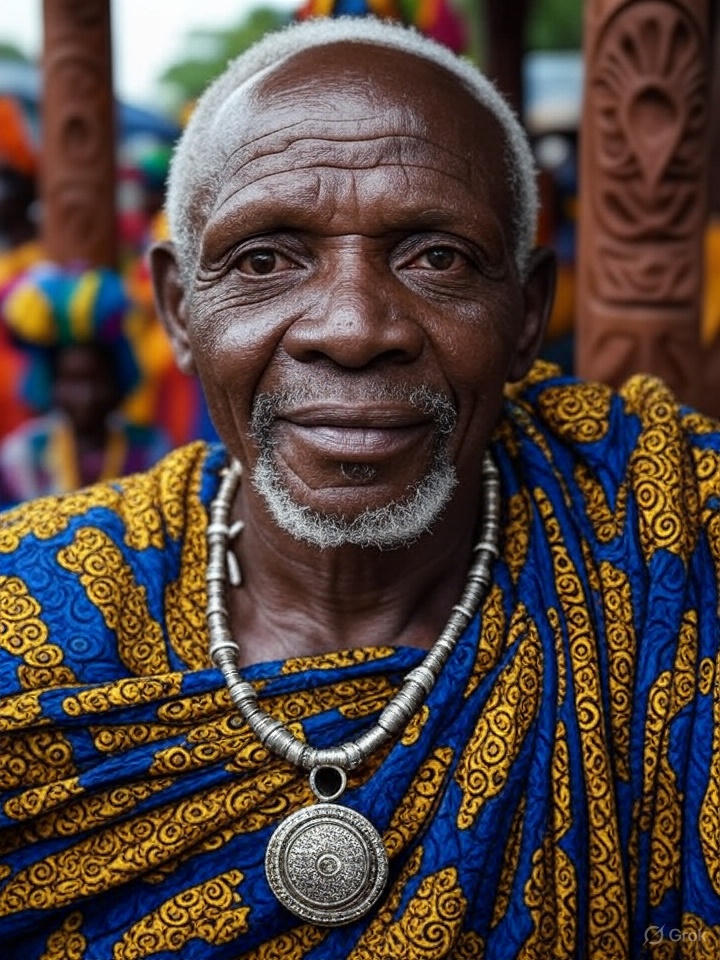
Igbo culture is a rich and dynamic part of southeastern Nigeria, shaped by the Igbo people’s history and traditions. With over 30 million speakers, the Igbo are known for their resilience, creativity, and community spirit. Their culture shines through in festivals, art, and social practices, reflecting a deep connection to their land and ancestors. This article explores Igbo culture, tracing its traditions and historical roots that continue to thrive today.
Historical Beginnings of Igbo Culture
Igbo culture has ancient origins, with evidence of settlements dating back over 2,000 years in the Niger Delta region. The Igbo developed decentralized societies, led by village councils and titled men rather than kings. Archaeological finds, like the Igbo-Ukwu bronze artifacts from the 9th century, highlight their early skill in metalwork and trade. These discoveries show a sophisticated society that influenced West Africa. This history forms the foundation of Igbo culture’s enduring strength.
The Role of Language and Oral Tradition
The Igbo language is central to their culture, filled with proverbs and stories. Elders share tales of creation and heroes, such as the legend of Eri, the mythical ancestor of the Igbo. Sayings like “Onye kwe, chi ya e kwe” (If a person agrees, their chi agrees) teach wisdom and personal responsibility. These oral traditions preserve history and values, passed down through generations, keeping Igbo culture alive.
Traditional Festivals and Celebrations
Festivals are a lively part of Igbo culture. The New Yam Festival (Iri Ji) celebrates the harvest with feasting, dance, and prayers to thank the earth goddess, Ani. The Ofala festival honors community leaders with colorful processions and music. Drumming and dancing, using instruments like the udu (pot drum), bring people together. These events reflect the Igbo people’s gratitude and unity, a key aspect of their cultural identity.
Art and Craftsmanship in Igbo Culture
Igbo culture is renowned for its artistic expression. The Igbo-Ukwu bronzes, with their detailed designs, are a testament to ancient craftsmanship. Woodcarvings, including masks used in masquerade ceremonies, depict spirits and ancestors. Beadwork adorns clothing and jewelry, symbolizing status and heritage. These arts, handed down through families, showcase the Igbo people’s creativity and skill, a proud part of their culture.
Family and Community Life
Family and community are the backbone of Igbo culture. Extended families live in compounds, with elders guiding decisions. Respect is shown through greetings like “Ndewo” (Hello) to seniors. Villages hold meetings (Oha) to resolve issues, fostering unity. Marriage involves bride price negotiations and celebrations, strengthening social ties. This communal structure supports the Igbo people’s cultural continuity.
Religion and Spiritual Practices
Igbo culture is deeply spiritual, with a belief in a supreme god, Chukwu, and numerous deities. Traditional religion involves shrines to gods like Amadioha (god of thunder). Divination with tools like kolanut guides life choices. Many Igbo also practice Christianity, blending it with traditional beliefs. This spiritual blend shapes Igbo culture’s rituals and worldview.
Food and Culinary Traditions
Igbo cuisine reflects the region’s abundance. Dishes like pounded yam with egusi soup or onugbu soup (bitter leaf soup) use local ingredients like yam and palm oil. Spices add flavor, and meals are often shared communally, symbolizing togetherness. Cooking methods, passed down through generations, are a tasty part of Igbo culture.
Influence of Igbo Culture in the Diaspora
Igbo culture extends globally through the diaspora, especially in the Americas from the slave trade. In places like Jamaica and the U.S., Igbo traditions influence music, dance, and food. The Igbo word “chi” (personal spirit) appears in spiritual practices abroad. This global reach shows the resilience of Igbo culture.
Challenges and Preservation Efforts
Igbo culture faces challenges from modernization and urbanization. The rise of English and Western influence can overshadow Igbo language and traditions. Yet, preservation efforts are strong. Schools teach the Igbo language, and cultural festivals promote arts and music. The diaspora also keeps traditions alive, ensuring Igbo culture endures.
Connecting with Igbo Culture
To explore Igbo culture, engage with its elements. Watch documentaries on Igbo history or listen to highlife music. Try cooking egusi soup or attend a local festival if possible. Visiting Nigeria offers a chance to see Igbo villages or markets firsthand. These experiences bring you closer to the Igbo people’s rich traditions.
Learn Igbo with Malegado
Igbo culture’s traditions and history offer a fascinating glimpse into southeastern Nigeria’s soul. From ancient bronzes to vibrant festivals, its legacy thrives. If you wish to learn the Igbo language and dive deeper into this culture, Malegado can guide you. Malegado provides resources, courses, and cultural insights to support your journey. Visit Malegado to start exploring Igbo culture today.
Conclusion
Exploring Igbo culture reveals a world of rich traditions and history, from the art of Igbo-Ukwu to the rhythms of the udu drum. The Igbo people’s community life, spirituality, and cuisine reflect a heritage of resilience and creativity. Their influence spans the globe, keeping Igbo culture alive. Malegado offers a path to learn Igbo and connect with this vibrant legacy. Embrace the journey and discover the beauty of Igbo culture.