
Exploring African Traditional Music: Roots and Rhythms
Explore African traditional music, its history, rhythms, and cultural meaning. Learn how it preserves identity and enhances language learning with Malegado
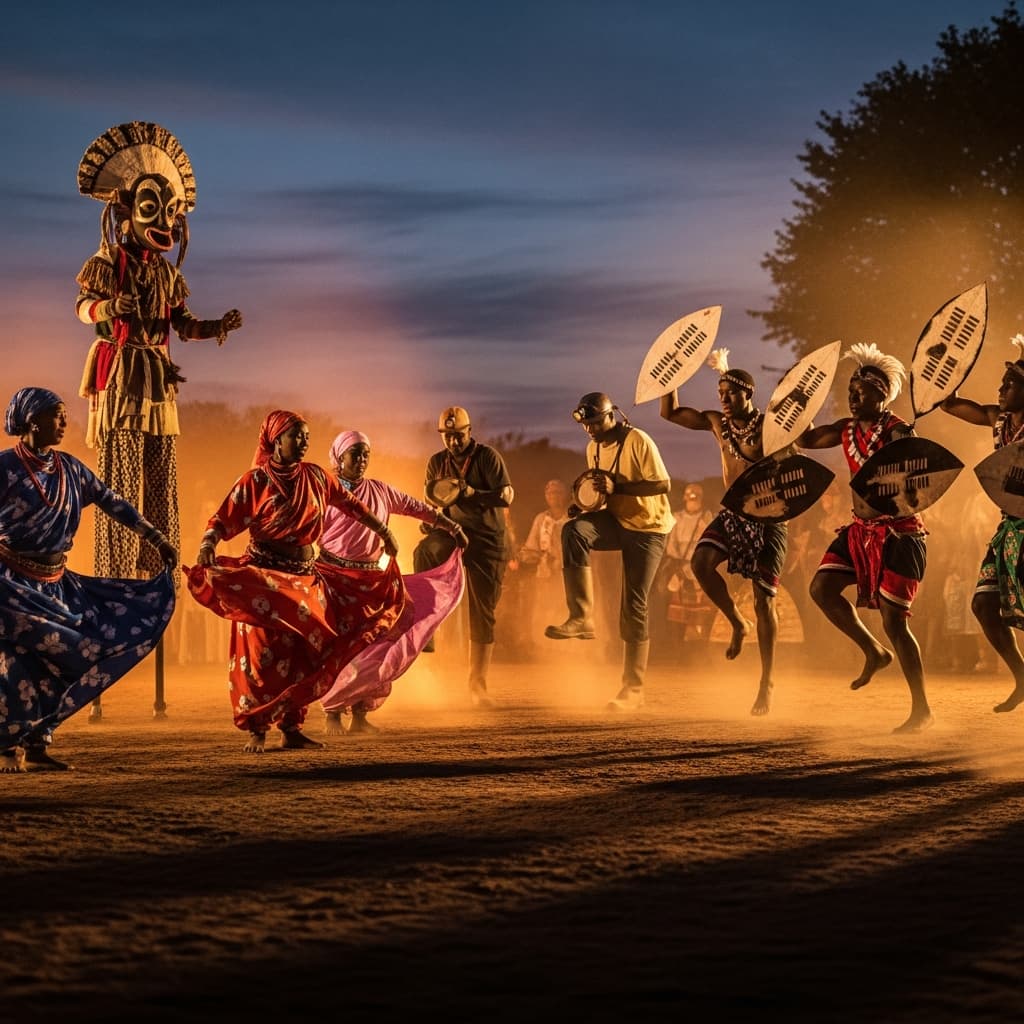
African traditional music is one of the world’s most diverse and influential cultural treasures. It carries the stories, emotions and heritage of communities across the continent. This music is more than entertainment. It is a language, a form of knowledge, and a way of connecting generations. In today’s world, where cultural identity is increasingly celebrated, learning about African traditional music offers a deeper appreciation of language, rhythm, and shared history.
Whether you are a traveler, a language learner, or a music enthusiast, understanding African traditional music can dramatically enhance your connection to African culture. In this article, we explore its origins, meaning, instruments, and its role in modern communities. We also show you how Malegado supports learners who want to dive deeper into the languages and cultural expressions behind this art form.
The Deep Roots of African Traditional Music
African traditional music has existed for thousands of years. It evolved organically as communities used rhythm, chanting, and instruments to communicate and record life experiences. Before writing became common, music served as a living archive.
Origins Across the Continent
The origins of African traditional music are linked to daily life, rituals, agriculture, storytelling, and spirituality. Every region developed distinct musical patterns that reflected their social structures and environments.
West Africa is well known for its rich drumming tradition. Instruments like the djembe, balafon, and talking drum were used by griots, respected storytellers who preserved genealogies, history, and myths. Their music was a crucial channel for education and cultural continuity.
In East Africa, vocal polyphony and call and response patterns shaped the music of communities such as the Maasai and Swahili speakers. This musical style supported communal singing, unity, and shared identity. For more insight into the wider cultural exchanges in the region, you can explore this Malegado article on the Swahili civilization, which shows how trade and religion influenced language and art:
In Central and Southern Africa, instruments like mbira (thumb piano), marimba, and ngoma drums created melodies used in social ceremonies, worship, and community gatherings. These instruments produced vibrant soundscapes that expressed joy, grief, and spiritual connection.
Music as a Cultural Memory System
Music in African societies was not separate from daily life. It carried coded messages, proverbs, warnings, and blessings. The talking drum, for example, could imitate tonal languages and relay information across long distances.
Communities used music to celebrate births, mourn deaths, initiate youth, bless marriages, and honor ancestors. It shaped identity and taught social values. Music was also deeply tied to nature. Rhythms often mimicked animal sounds, rainfall patterns, or the movement of the community’s surroundings.
This rich cultural heritage continues to inspire people today, both within Africa and around the world.
Why African Traditional Music Matters Today
Despite technological innovations and the rise of modern genres like Afrobeat, Amapiano, and Afropop, African traditional music remains essential for cultural preservation and education.
A Source of Identity and Pride
Traditional music is a powerful symbol of African identity. It helps communities reconnect with their roots and reinforces pride in linguistic and cultural diversity. Many modern African artists still draw from traditional rhythms, harmonies, and storytelling structures.
Tourism and Cultural Exchange
Across Africa, traditional musical performances attract millions of tourists. Visitors come to experience the drumming ceremonies of Senegal, the chants of Ethiopia, or the dance rituals of Zimbabwe. These performances are not just entertainment, they serve as bridges that help people understand different cultures and languages.
Travelers preparing to visit African heritage sites or cultural festivals often benefit from learning a local language or understanding cultural norms. For example, you can explore the cultural richness of world heritage sites through guides like Malegado’s article on the Colosseum, which combines history and practical insights for learners and travelers:
https://www.malegado.com/en/articles/the-colosseum-rome-s-eternal-arena-and-unesco-wonder
Storytelling and Oral Wisdom
African traditional music keeps oral traditions alive. These stories contain wisdom, moral lessons, and historical knowledge passed from elders to younger generations. When young people learn these songs, they become custodians of their heritage.
Language Learning Through Music
Music is one of the most effective tools for mastering languages. Rhythm, repetition, and melody make it easier to remember new vocabulary. Since many African languages are tonal, traditional songs offer a natural way to practice pronunciation, tone, and rhythm.
This makes traditional music a powerful learning resource for anyone studying African languages today.
Key Instruments in African Traditional Music
African instruments are deeply symbolic. Each one tells a story about its community, environment, and history.
1. Drums
Drums are at the heart of African traditional music. The djembe from West Africa is famous for its wide range of tones. The ashiko, bata, bougarabou, and ngoma drums each carry specific cultural roles.
2. Strings
Instruments like the kora, a 21 string harp used by Mandinka griots, add melodic depth to storytelling. Other string instruments like the endongo in Uganda or the krar in Ethiopia also support poetic narratives and praise songs.
3. Wind Instruments
Flutes made from wood or bamboo are used in ceremonies, hunting rituals, and dances. Horns crafted from animal horns or metal are often used to announce royal events or call communities together.
4. Idiophones
Instruments like the mbira, kalimba, marimba, and rattles produce melodic patterns that accompany dancing and rituals. These instruments are ancient and deeply tied to African spirituality.
How to Appreciate African Traditional Music Today
Whether you are a learner, traveler, or cultural enthusiast, here are ways to immerse yourself in African traditional music.
1. Listen Actively
Pay attention to the rhythm patterns, repeated phrases, and call and response structure. This helps you understand cultural communication styles.
2. Learn the Language Behind the Song
Understanding the lyrics helps you grasp the meaning of the music. Learning Swahili, Yoruba, Lingala, Fulfulde, or Zulu can enrich your appreciation of traditional songs.
3. Attend Traditional Performances
Whenever possible, visit cultural festivals, heritage centers, and community dances. These events offer a deeper experience than recordings.
4. Study the Instruments
Learning how instruments like the djembe or mbira are made and played connects you to the people who created them.
5. Engage With Cultural Archives
Documentaries, museums, UNESCO heritage files, and cultural centers provide deeper insight. The UNESCO website has excellent resources on African intangible heritage, including music.
How Malegado Supports Learning Through Music and Culture
Malegado is designed to help users go beyond vocabulary lists. It supports cultural understanding and deeper learning. When exploring African traditional music, Malegado plays a unique role.
Language Lessons Linked to Culture
Traditional songs are often in local languages. Malegado helps learners understand pronunciation, tone, and meaning through structured lessons and audio support. If you want to strengthen your listening skills, you can check resources like this Malegado blog on pronunciation clarity:
https://www.malegado.com/en/blog/word-pronunciation-english-unlocking-clarity-in-communication
Community Based Learning
Malegado connects learners with cultural storytellers, language tutors, and native speakers. This community driven approach allows people to ask questions, share music, and learn within a supportive space.
Cultural Guides and Articles
From world heritage sites to cross cultural histories, Malegado offers a wide range of articles that help learners situate language within culture. These guides give context, background, and practical tips, making language learning more meaningful.
A Complete Learning Ecosystem
Malegado combines vocabulary training, grammar practice, cultural notes, and storytelling elements. This approach aligns perfectly with the role music plays in African societies, where art and language are inseparable.
Final Thoughts
African traditional music is a living archive of history, spirituality, and identity. It celebrates community, emotion, and language. Whether you are listening to a djembe ensemble, a kora solo, or a call and response chant, you are experiencing centuries of knowledge.
By learning a language or exploring cultural traditions through Malegado, you connect more deeply with Africa’s rhythms, stories, and people. Dive in, explore the sounds, and let the music guide your learning journey.