
English Culture: A Guide to Traditions, Values, and Modern Life
English culture blends centuries-old traditions with modern innovation. Explore etiquette, food, art, festivals, and social values that shape life in England.
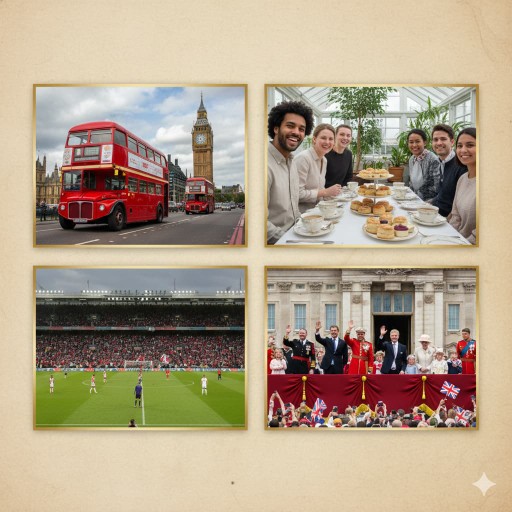
English culture has fascinated the world for centuries. From Shakespeare’s plays to afternoon tea, from the Royal Family to Premier League football, it is a culture that balances tradition with progress. Whether you are traveling, studying, or working in England, understanding English culture helps you connect better with people, avoid misunderstandings, and appreciate the unique lifestyle.
This article explores the roots of English culture, its defining traditions, modern influences, and why it continues to shape global trends.
Historical Roots of English Culture
Roman, Saxon, and Norman Influence
England’s history shaped its culture. Roman rule brought architecture and governance. Anglo-Saxons added language and customs. The Norman invasion in 1066 introduced French influence on law, food, and language.
The Renaissance and Shakespeare
The English Renaissance gave the world literature giants like William Shakespeare, whose plays are still performed globally. This period also saw advances in science and exploration.
The Industrial Revolution
England was the birthplace of the Industrial Revolution in the 18th century, which transformed work, urban life, and class structures. This spirit of innovation remains part of English identity.
Key Elements of English Culture
1. Language
English is England’s greatest cultural export. It evolved from Old English and absorbed words from Latin, French, and other languages. Today, it is the world’s most spoken second language.
2. Social Etiquette
- Politeness: The English are known for saying “please,” “thank you,” and “sorry” frequently.
- Queueing: Respecting lines is seen as essential social order.
- Personal Space: Standing too close can make people uncomfortable.
3. The Monarchy
The British Royal Family remains a cultural symbol. While their political power is limited, the monarchy represents continuity, tradition, and national pride. Events like royal weddings or the King’s coronation attract global attention.
4. Religion
The Church of England has historically shaped traditions, though modern society is diverse and secular. Churches remain important landmarks in towns and cities.
English Food Culture
- Traditional Dishes: Fish and chips, roast beef with Yorkshire pudding, and shepherd’s pie.
- Afternoon Tea: A cultural ritual with tea, sandwiches, scones, and pastries.
- Modern Cuisine: England now embraces multicultural food influences, with Indian, Chinese, Italian, and Middle Eastern dishes widely available.
Food is both a reflection of tradition and an embrace of global diversity.
Arts, Literature, and Music
1. Literature
From Chaucer to J.K. Rowling, English writers shaped world literature. Charles Dickens captured Victorian life, while modern authors like Zadie Smith bring contemporary voices.
2.Music
England gave the world The Beatles, The Rolling Stones, Adele, and Ed Sheeran. Music festivals like Glastonbury attract global audiences.
3.Theatre
London’s West End is a hub of global theatre, second only to Broadway in New York.
Celebrations and Festivals
- Christmas: Celebrated with carols, mince pies, and gift-giving.
- Easter: Marked with church services and chocolate eggs.
- Guy Fawkes Night (Nov 5): Fireworks commemorate the failed Gunpowder Plot of 1605.
- Notting Hill Carnival: A vibrant multicultural festival celebrating Caribbean heritage.
Sports and Leisure
- Football (Soccer): The Premier League is one of the most watched leagues worldwide.
- Cricket: A traditional sport tied to summer afternoons.
- Rugby and Tennis: Wimbledon is an international highlight.
Sports are central to community life and national pride.
Modern English Lifestyle
Work-Life Balance
The English work culture values punctuality and professionalism. Paid holidays, tea breaks, and flexible hours in some sectors contribute to balance.
Multicultural Influence
England is home to diverse communities from South Asia, Africa, the Caribbean, and Europe. This multiculturalism enriches food, art, and daily life.
Fashion
From Savile Row suits to London streetwear, English fashion is both traditional and trend-setting. Designers like Alexander McQueen and Stella McCartney made global impact.
Values and Attitudes
- Fair Play: Rooted in sportsmanship and fairness.
- Individualism: Personal freedom and self-expression are highly valued.
- Humor: English humor is witty, ironic, and often self-deprecating.
- Respect for Tradition: From Parliament rituals to school uniforms, tradition coexists with modernity.
Challenges of English Culture
- Cost of Living: London and other cities can be expensive.
- Weather: The stereotype of rainy England is often true.
- Reserved Nature: Making friends may take time, as the English are polite but sometimes distant at first.
Why Understanding English Culture Matters
- Travel: Knowing customs helps tourists feel comfortable.
- Business: Etiquette, communication, and punctuality are key to successful work relationships.
- Education: Students who adapt to cultural expectations perform better academically.
- Integration: For immigrants and expats, understanding culture eases adjustment.
Conclusion
English culture is a unique blend of history, tradition, and modern diversity. From literature and music to politeness and tea rituals, it continues to influence the world. By learning its values and customs, anyone can better connect with English people and navigate life in England.
Ultimately, English culture is not static it evolves with global influences while staying true to its heritage.