
Discovering the Vibrant World of African Traditional Music
African traditional music pulses with polyrhythms and stories. Explore genres like afrobeat, mbalax, and taarab, tied to languages and cultures across the continent.
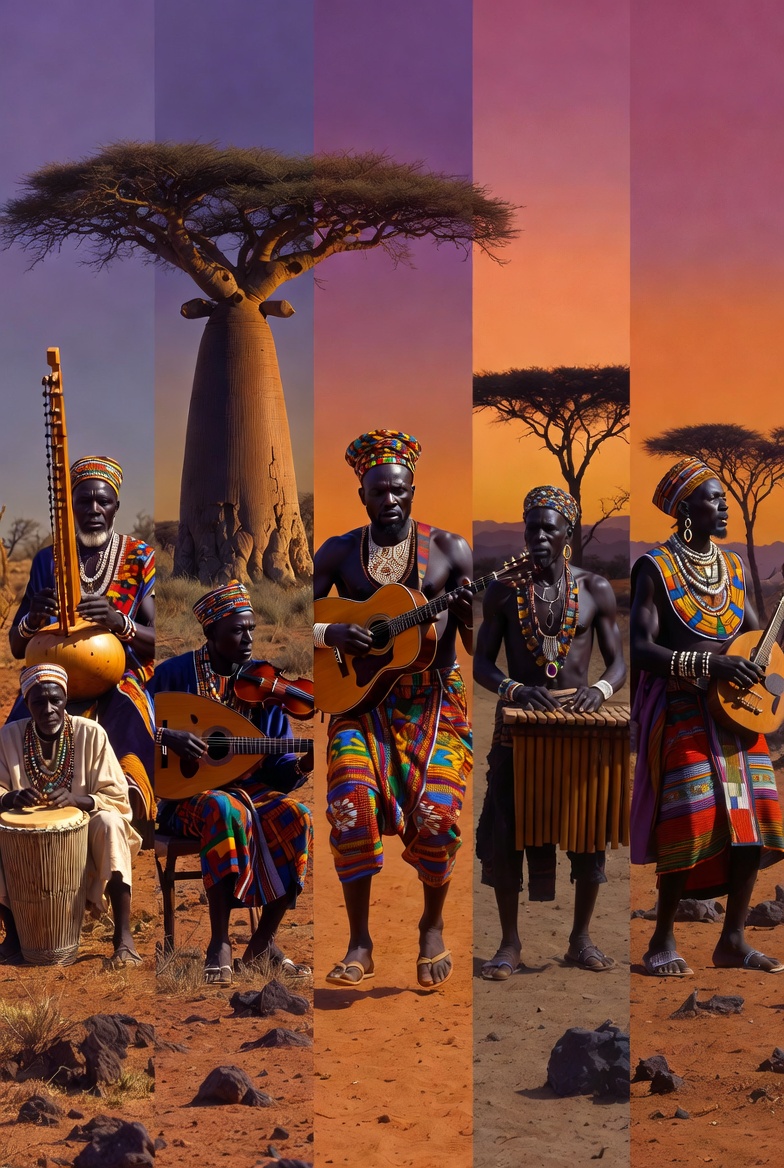
Imagine closing your eyes and hearing the deep thump of a djembe drum echoing across the savanna, layered with the twinkling notes of a kora harp and voices rising in harmonious call-and-response. That is the heartbeat of African traditional music, a tapestry of sounds that has pulsed through the continent for millennia. From ancient rituals to modern festivals, this music is more than entertainment. It tells stories, binds communities, and carries the soul of diverse cultures. Whether you are a traveller seeking authentic experiences or a language enthusiast exploring tonal rhythms, African traditional music offers endless discovery.
This rich heritage spans over 50 countries, blending indigenous rhythms with influences from trade, migration, Islam, and colonialism. Genres like highlife, soukous, and taarab showcase regional Flavors, often tied to local languages through lyrics and instruments that "speak." In a world of global beats, diving into African traditional music reconnects us to roots that have shaped jazz, hip-hop, and pop worldwide.
The Fascinating History of African Traditional Music
African traditional music traces back thousands of years, with evidence from rock paintings in the Sahara dating to 6000–4000 BCE showing dances and instruments. Ancient civilizations in Egypt and the Nile Valley exchanged ideas with Near Eastern cultures, while sub-Saharan traditions evolved through migrations of Bantu-speaking peoples carrying iron bells and rhythmic patterns across vast distances.
By the Iron Age, instruments like slit drums and xylophones spread from West Africa to Zimbabwe. The transatlantic slave trade carried these sounds to the Americas, birthing genres like samba and blues. Islamic traders introduced stringed instruments and melisma in North and West Africa from the 7th century, while colonial eras brought guitars and brass bands, sparking urban styles in the 20th century.
Oral traditions kept music alive, functional for ceremonies, work, and storytelling. As Britannica explains, migrations created surprising similarities, like Equi heptatonic scales shared between Côte d’Ivoire and Angola, despite thousands of miles apart. Today, this history fuels cultural pride and UNESCO-recognized heritages, reminding us how African traditional music adapted yet endured.
Key Characteristics: Rhythms, Instruments, and the Language Link
What makes African traditional music so captivating? It is the polyrhythms, layers of beats like three against two that make your body move instinctively. Call-and-response invites participation, turning listeners into performers. Scales are often pentatonic or heptatonic, with improvisation at the core.
Instruments are crafted from nature. Membranophones like the djembe (West Africa) or ngoma drums (East/South) provide thunderous bass. Chordophones include the kora (21-string harp-lute from Mali) and Ngoni (lute precursor to the banjo). Idiophones like the mbira thumb piano (Zimbabwe) or balafon xylophone shimmer with melody. Aerophones such as flutes and horns add breathy textures.
Crucially, many African languages are tonal, where pitch changes meaning. This ties music deeply to speech: talking drums mimic phrases, sending messages over miles in Yoruba or Akan communities. Lyrics in Lingala, Swahili, Wolof, or Zulu preserve proverbs and histories, making songs living dictionaries.
Exploring Genres by Region: A Musical Journey Across Africa
Africa's diversity shines in its genres, each rooted in specific regions, instruments, and languages.
West Africa: Energetic Beats and Social Commentary
West Africa pulses with highlife (Ghana/Nigeria), blending brass, guitars, and percussion for upbeat dances; lyrics in English or local tongues celebrated post-independence joy. Jùjú (Yoruba, Nigeria) features talking drums and guitars, with artists like King Sunny Adé praising patrons. Fuji (Muslim Yoruba) uses heavy percussion for all-night vibes. Afrobeat (Fela Kuti, Nigeria) fuses jazz, funk, and chants for political protest. Mbalax (Senegal) drives sabar drums and tama talking drums, popularized by Youssou N’Dour in Wolof. Makossa (Cameroon) grooves on bass and brass, as in Manu Dibango's global hit "Soul Makossa."
Central Africa: Guitar-Driven Dance Explosions
Congolese rumba (DRC) borrowed from Cuban son in the 1930s, evolving into soukous with searing guitars and fast tempos. Ndombolo adds hip-shaking dances, sung in Lingala for everyday tales. These spread across Africa, influencing generations.
East Africa: Poetic and Harmonic Traditions
Taarab (Zanzibar/Tanzania) mixes Arabic maqamat with Swahili poetry, featuring violins, qanun, and accordions for weddings. As explored in this Malegado article on Swahili civilization, taarab reflects centuries of trade and Islam. Makwaya (Kenya/Tanzania) offers choral harmonies from missionary hymns blended with local styles.
Southern Africa: Voices of Resilience
Mbube (Zulu, South Africa) means "lion," powerful a cappella like Ladysmith Black Mambazo's harmonies. Township music jazzed up urban life in apartheid-era townships. Jaiva, a kwaito precursor, brings house-infused energy. Afro fusion blends these with hip-hop or EDM, keeping traditions alive for new audiences.
Why African Traditional Music Matters Today
In our fast-paced world, African traditional music foster’s identity and healing. It boosts tourism at festivals like Senegal's Saint-Louis Jazz or Morocco's Gnawa. Globally, it influenced Beyoncé's "Black Is King" or Shakira's World Cup anthems sampling makossa. For Africans, it preserves languages amid urbanization, combats cultural erosion, and empowers youth through fusions. Learning it builds empathy, especially as climate change and globalization threaten oral traditions. UNESCO recognizes several traditions, such as Gule Wamkulu from Malawi, Mozambique, and Zambia, as intangible cultural heritage.
Practical Tips to Dive Into African Traditional Music
Start simple: Create Spotify playlists with Fela Kuti, Miriam Makeba, or Salif Keita. Watch YouTube performances of soukous dances or mbira sessions. Try basic djembe rhythms online, many free tutorials exist. Attend local African festivals or join drum circles. Pair with language apps, singing along improves pronunciation in tonal tongues like Yoruba or Swahili. For deeper immersion, travel to Mali for kora masters or Zanzibar for taarab nights.
How Malegado Helps You Master Languages Through Culture
At Malegado, we believe language and culture intertwine, just like in African traditional music. Our platform offers lessons in French (spoken in Senegal, Cameroon, DRC) and Portuguese (Angola, Mozambique), helping you understand mbalax or kizomba lyrics. Explore tutoring for contextual learning or community forums sharing playlists. Check our guide on reliable French-Portuguese translators for navigating multilingual Africa. Cultural articles, like on Swahili trade history, connect dots to taarab's poetic Swahili verses. Malegado is your all-in-one hub for immersive discovery.
Wrapping Up: Let the Rhythms Guide You
African traditional music is a celebration of resilience, joy, and connection. From talking drums echoing proverbs to global stages echoing afrobeat, it invites everyone to listen, dance, and learn. Start your journey today on Malegado, where culture meets language in perfect harmony. Who knows, your next favorite song might sing in Lingala or Zulu.