
Discovering the Pulaar Language: Echoes of the Sahel
Hear the Sahel’s melody in the Pulaar language, spoken by millions in West Africa. From ancient migrations to modern festivals, explore its history and grab tips to chat like a local.
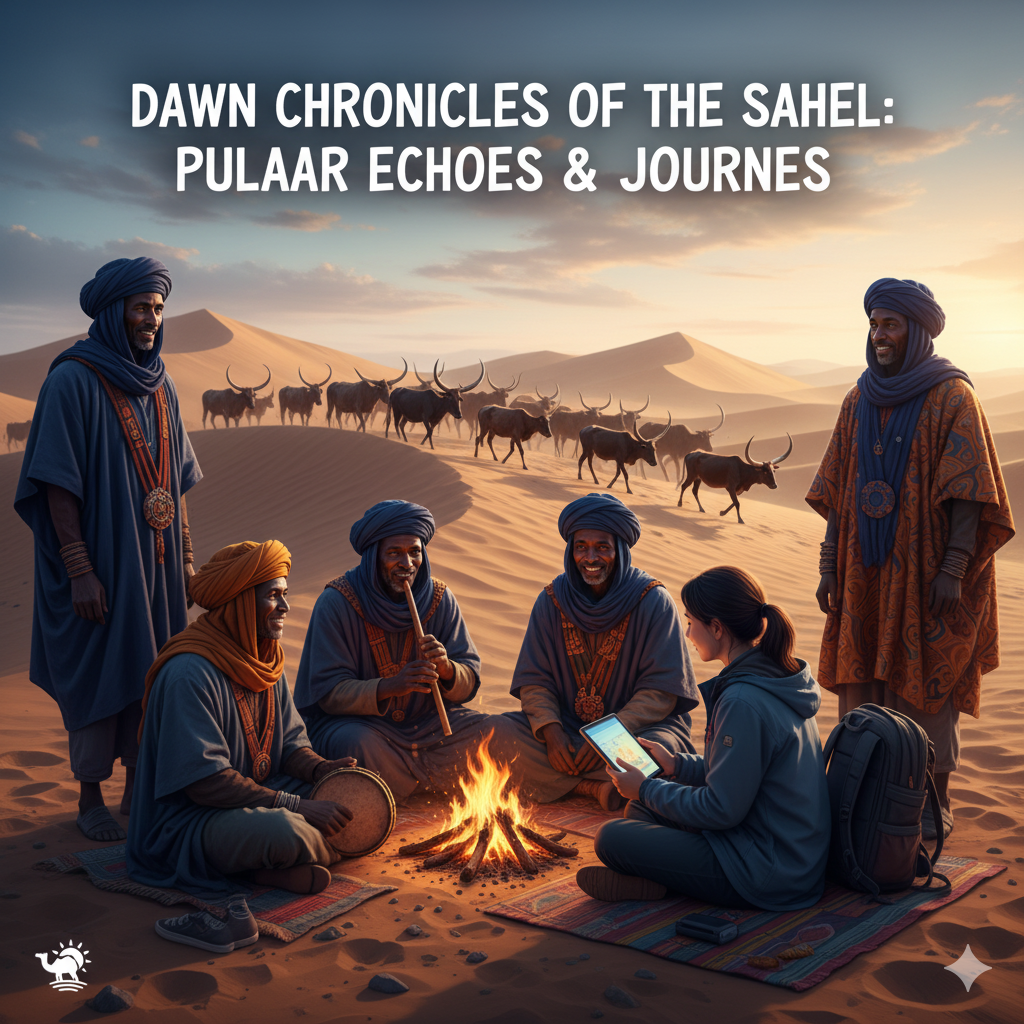
Picture yourself under the wide Senegalese sky, where the call of a flute carries stories of ancient migrations. This is the essence of the Pulaar language, a melodic dialect that pulses through the veins of West Africa's Fulani people. Spoken in dusty markets and quiet villages, Pulaar connects hearts across generations.
As a key branch of the Fula family, Pulaar thrives in Senegal and beyond. It offers a window into a world of pastoral traditions and resilient communities. Learning it means stepping into rhythms that have shaped the Sahel for centuries.
Tracing Pulaar’s Journey: From Ancient Roots to Living Dialect
Origins in the Senegambian Heartland
Pulaar emerged in the Senegambian region, nestled within the Niger-Congo language family’s Atlantic branch. Linguistic traces point to early Fulani settlements around the 4th century, though major expansions came with pastoral migrations by the 11th century. These nomads, seeking grazing lands, carried Pulaar southward and eastward, blending it with local influences along the way.
The Fulani, or Peul, used the language to manage herds and share lore during long treks. Its conservative sounds, like soft nasals and vowel harmonies, mark it as one of Fula’s oldest forms. This heritage ties Pulaar speakers to a legacy of mobility and adaptation.
Evolution Through Scripts and Societies
Oral traditions dominated Pulaar’s early days, with griots reciting epics that wove clan histories into song. By the 18th century, Islamic waves introduced Ajami script, adapting Arabic to capture Pulaar’s tones. This shift allowed religious texts and poetry to flourish in Fulani theocracies like Futa Toro.
Colonial rule in the 19th and 20th centuries pushed Latin script forward, especially after Senegal’s independence. Pulaar gained official status in 1971, entering schools and radio waves. Today, it stands as a bridge between past whispers and modern voices, preserving identity amid change.
Languages like Pulaar remind us how trade routes sparked cultural sparks, much like the exchanges in this Malegado exploration of [China’s Forbidden City and Great Wall](https://www.malegado.com/en/articles/forbidden-city-great-wall-guide-to-china-s-wonders).
Pulaar’s Pulse in Contemporary Life: Identity and Influence
A Pillar of Regional Unity and Pride
Over 5 million people speak Pulaar today, making it Senegal’s second-most common tongue after Wolof. It binds communities in northern Senegal, Mauritania, and Mali, where Fulani herders and farmers alike use it for daily bonds. In urban hubs like Dakar, it mixes with French, creating a hybrid vibrancy that reflects global flows.
This reach fosters pride. Annual festivals in Podor showcase Pulaar poetry slams, drawing youth to reclaim roots. For travelers, it unlocks authentic chats with locals, turning a simple tea share into a cultural deep dive. As Britannica explains, Pulaar’s role in Senegal’s linguistic mosaic highlights its enduring spread [Pulaar in Senegal’s languages on Britannica](https://www.britannica.com/place/Senegal/Languages).
Driving Education and Cultural Revival
In classrooms, Pulaar supports bilingual programs, easing kids from home dialects to national curricula. Radio stations broadcast news and music, keeping elders’ tales alive for city kids. Amid climate shifts threatening pastures, the language aids advocacy, with activists using proverbs to rally for sustainable herding.
Tourism leans on it too. Visitors to the Ferlo Desert hire Pulaar-speaking guides for immersive safaris, learning cattle terms while spotting giraffes. Globally, diaspora communities in Europe host Pulaar classes, nurturing ties to homeland. Its modern spark lies in this blend of preservation and progress.
Hands-On Ways to Dive into Pulaar and Fulani Ways
Mastering Greetings and Everyday Expressions
Begin with basics that open doors. "Jam jam" greets in the morning, often paired with a handshake and smile. Respond with "Mi jam", and you’ve sparked a conversation. These phrases carry warmth, reflecting Fulani hospitality.
Focus on tones next. Pulaar’s rising inflections add emotion, so mimic audio clips of market banter. Try "A fo ndim" for "thank you", slipping it into thanks for a shared meal. Short daily repeats build confidence fast.
Engaging with Stories and Traditions
Stories are Pulaar’s soul, so hunt for griot recordings online. Listen to tales of Sundiata, the epic hero, noting words for bravery and kin. Recite them aloud to catch the flow, then discuss with language partners.
For cultural dips, learn wrestling lingo, a Fulani passion. Terms like "lamb" for the throw describe moves in village bouts. If traveling, join a naming ceremony, where Pulaar blessings honor newborns. Respect shines through trying, even if stumbles happen.
Ancient wonders often hold linguistic keys, similar to how Quechua echoes in this Malegado look at [Peru’s Machu Picchu sanctuary](https://www.malegado.com/en/articles/historic-sanctuary-of-machu-picchu-peru-s-incan-wonder).
Building Habits with Tools and Immersion
Pair phrases with flashcards featuring Sahel photos, linking words to scenes. Watch Pulaar-dubbed films on folklore, pausing for subtitles. Aim for chats: find pen pals via forums, trading voice notes on favorite proverbs.
In Senegal, volunteer at herder co-ops, picking up grazing vocab hands-on. Track progress in a journal, noting new idioms weekly. Fun twists, like singing lullabies, make it stick.
Malegado: Your Gateway to Pulaar Mastery
Malegado wraps Pulaar learning in cultural color. Our lessons start with northern Senegal dialects, drilling greetings through interactive scenarios. Picture role-playing a market haggle, complete with audio feedback.
Live tutoring connects you to native speakers from Futa, fine-tuning your tones over casual calls. Share laughs over mispronounced proverbs, building real bonds. The community hub hums with threads on Fulani festivals, where users swap tips and invite virtual joins.
Delve into our content library: videos of griot sessions with Pulaar transcripts, quizzes on epic vocabulary. Virtual reality tours of Mauritanian camps let you "wander" while labeling surroundings. Malegado fuses lessons, chats, and stories into one seamless path.
Forget dry drills. Here, Pulaar comes alive, tailored for explorers hungry for West Africa’s soul.
Embrace Pulaar’s Call to Adventure
Pulaar hums with the Sahel’s endless winds, linking nomads past and dreamers now. It teaches that every word holds a horizon. What story will you tell in its tones?
Head to Malegado today. Kick off with a Pulaar module on herder life. Your voice in the chorus starts here.