
Discover Amharic: Ethiopia’s Language and Cultural Heritage
Amharic is more than a language; it is the heartbeat of Ethiopia’s cultural identity. Spoken by over 25 million people, Amharic is Ethiopia’s official language...
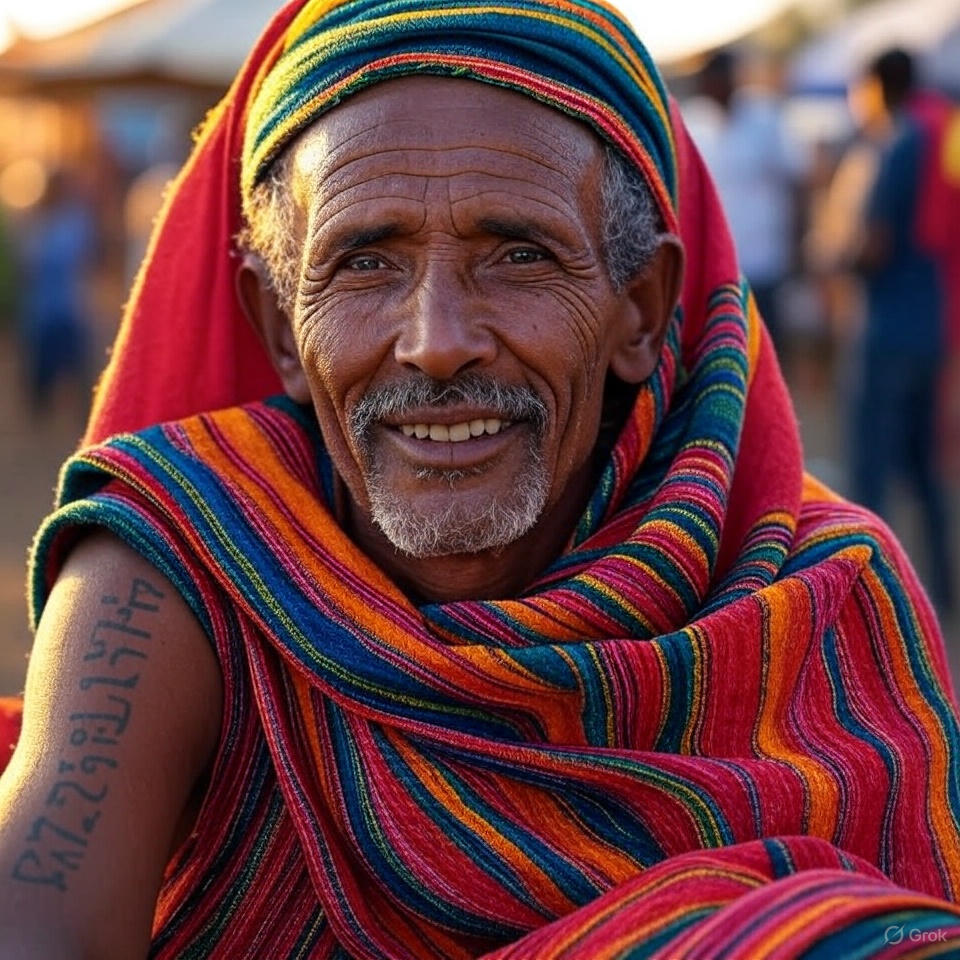
Amharic is more than a language; it is the heartbeat of Ethiopia’s cultural identity. Spoken by over 25 million people, Amharic is Ethiopia’s official language and a symbol of its rich history. As a Semitic language with its unique Ge’ez script, Amharic carries the stories, traditions, and spirit of the Ethiopian people. From ancient manuscripts to modern music, Amharic weaves together Ethiopia’s past and present. This article explores the story of Amharic, its cultural significance, and the vibrant heritage of the people who speak it.
The Historical Roots of Amharic
Amharic’s story begins centuries ago in the highlands of Ethiopia. It evolved from Ge’ez, an ancient Semitic language used in the Aksumite Kingdom, one of Africa’s earliest civilizations. Ge’ez was the language of religious texts and royal inscriptions, and Amharic inherited its unique script. By the 13th century, Amharic emerged as the language of the Amhara people and became the court language of Ethiopian emperors. Today, it is the official language of Ethiopia and a unifying force in a country with over 80 ethnic groups. Understanding Amharic’s history connects you to Ethiopia’s legacy of resilience and pride.
The Ge’ez Script: A Cultural Treasure
One of Amharic’s most striking features is its Ge’ez script, a writing system with 33 base characters, each modified by seven vowel forms. This script is not just a tool for communication but a cultural treasure. Ancient manuscripts, like those preserved in Ethiopia’s monasteries, are written in Ge’ez and Amharic, documenting history, religion, and poetry. The script’s elegant curves and shapes reflect Ethiopia’s artistic heritage. For example, the character “ሀ” (ha) or “ላ” (la) carries centuries of tradition in every stroke. Learning the script is a way to touch Ethiopia’s past.
Amharic in Ethiopian Traditions
Amharic is woven into Ethiopia’s daily life and traditions. It is the language of the Ethiopian Orthodox Church, where hymns and prayers are chanted during festivals like Timkat, a celebration of Epiphany. Traditional poetry, known as “Qene,” uses Amharic’s rhythmic flow to express wit and wisdom. Proverbs like “Yemaymot qal yemaymot qelem” (A word doesn’t die, a color doesn’t die) show the language’s depth and cultural values. Amharic is also the voice of the coffee ceremony, a cherished ritual where friends and family gather to share stories over cups of buna (coffee). These traditions make Amharic a living part of Ethiopian culture.
Amharic in Literature and Arts
Amharic has shaped Ethiopia’s literary and artistic heritage. Classic works, like the 19th-century novel “Fikir Eske Mekabir” (Love Unto the Grave), explore themes of loyalty and sacrifice in Amharic. Modern writers, such as Maaza Mengiste, use Amharic influences in their storytelling. In music, Amharic shines through genres like Ethio-jazz and pop. Artists like Teddy Afro sing in Amharic about love, unity, and Ethiopia’s history, resonating with millions. Films in Amharic, such as “Difret,” showcase the language’s emotional power. Engaging with these art forms reveals the soul of Amharic.
The People Behind Amharic
The Amhara people, one of Ethiopia’s largest ethnic groups, are closely tied to Amharic, but the language is spoken by many ethnicities across Ethiopia. From the bustling markets of Addis Ababa to rural villages, Amharic connects people in trade, education, and community life. It is also a language of the Ethiopian diaspora, spoken in cities like Washington, D.C., where Ethiopian communities thrive. Amharic speakers are known for their hospitality, reflected in greetings like “Selam” (Hello) or “Tena Yistilign” (May you be given health). Learning Amharic helps you build bonds with these vibrant communities.
Amharic’s Role in Modern Ethiopia
Today, Amharic is Ethiopia’s working language, used in government, media, and education. It is the voice of national news outlets like EBC and popular radio shows. In schools, Amharic is taught alongside English, ensuring its place in Ethiopia’s future. The language also bridges Ethiopia’s diverse regions, fostering unity in a multilingual nation. For travelers, knowing Amharic opens doors to authentic experiences, like bargaining in Merkato, Addis Ababa’s famous market, or joining a Timkat celebration. Amharic’s modern role shows its adaptability and enduring relevance.
Challenges in Preserving Amharic
While Amharic thrives, it faces challenges. Globalization and the rise of English in education can overshadow local languages. In some regions, other Ethiopian languages like Oromo or Tigrinya compete for prominence. Yet, efforts to preserve Amharic are strong. Schools teach the Ge’ez script, and cultural festivals promote Amharic poetry and music. Organizations and platforms, like Malegado, support Amharic learning by offering resources and raising awareness about its cultural value. These efforts ensure Amharic remains a vibrant part of Ethiopia’s identity.
Connecting with Amharic Through Culture
To truly understand Amharic, immerse yourself in Ethiopian culture. Visit a local Ethiopian restaurant to try injera with doro wat (spicy chicken stew) and listen to Amharic conversations. Watch documentaries about Ethiopia’s history, like the story of the Queen of Sheba, believed to be an ancestor of the Amhara. Listen to Amharic music playlists featuring artists like Aster Aweke or Mahmoud Ahmed. Participate in cultural events, such as Ethiopian New Year (Enkutatash), to hear Amharic in action. These experiences make the language come alive and deepen your appreciation.
Practical Ways to Explore Amharic
If Amharic’s story inspires you, start exploring the language yourself. Begin with simple phrases like “Ameseginalehu” (Thank you) or “Eshi” (Okay). Watch YouTube channels like “Learn Amharic with Genet” to hear native pronunciation. Read children’s books in Amharic to practice the Ge’ez script. Join online forums or social media groups where Amharic learners share tips. Listening to Amharic radio or podcasts, like “Ethiopian Amharic Lessons,” helps you get used to the language’s rhythm. These small steps connect you to Amharic’s cultural legacy.
Learn Amharic with Malegado
The story of Amharic is a journey into Ethiopia’s heart, and learning the language brings you closer to its people and traditions. Whether you want to read ancient manuscripts, sing along to Amharic songs, or greet friends with “Selam,” Malegado can help. Malegado offers structured Amharic courses, cultural insights, and practical resources for learners at all levels. With expert guidance and a supportive community, you can explore Amharic with confidence. Visit Malegado to start your Amharic journey and connect with Ethiopia’s rich cultural heritage.
Conclusion
Amharic is more than Ethiopia’s official language; it is a living story of a nation’s history, traditions, and people. From the ancient Ge’ez script to modern music and literature, Amharic carries Ethiopia’s cultural legacy. Its proverbs, poetry, and daily greetings reflect the warmth and wisdom of its speakers. By exploring Amharic, you gain a deeper understanding of Ethiopia’s vibrant heritage. Platforms like Malegado make it easy to learn Amharic and celebrate its cultural significance. Start your journey today and discover the beauty of Amharic and Ethiopia’s enduring legacy.