
General Info for International Visitors: Your Guide to Exploring Benin’s Culture and Language
Discover Benin’s rich culture and history with this guide for international visitors. From Vodoun festivals to practical travel tips, Malegado helps you connect authentically.
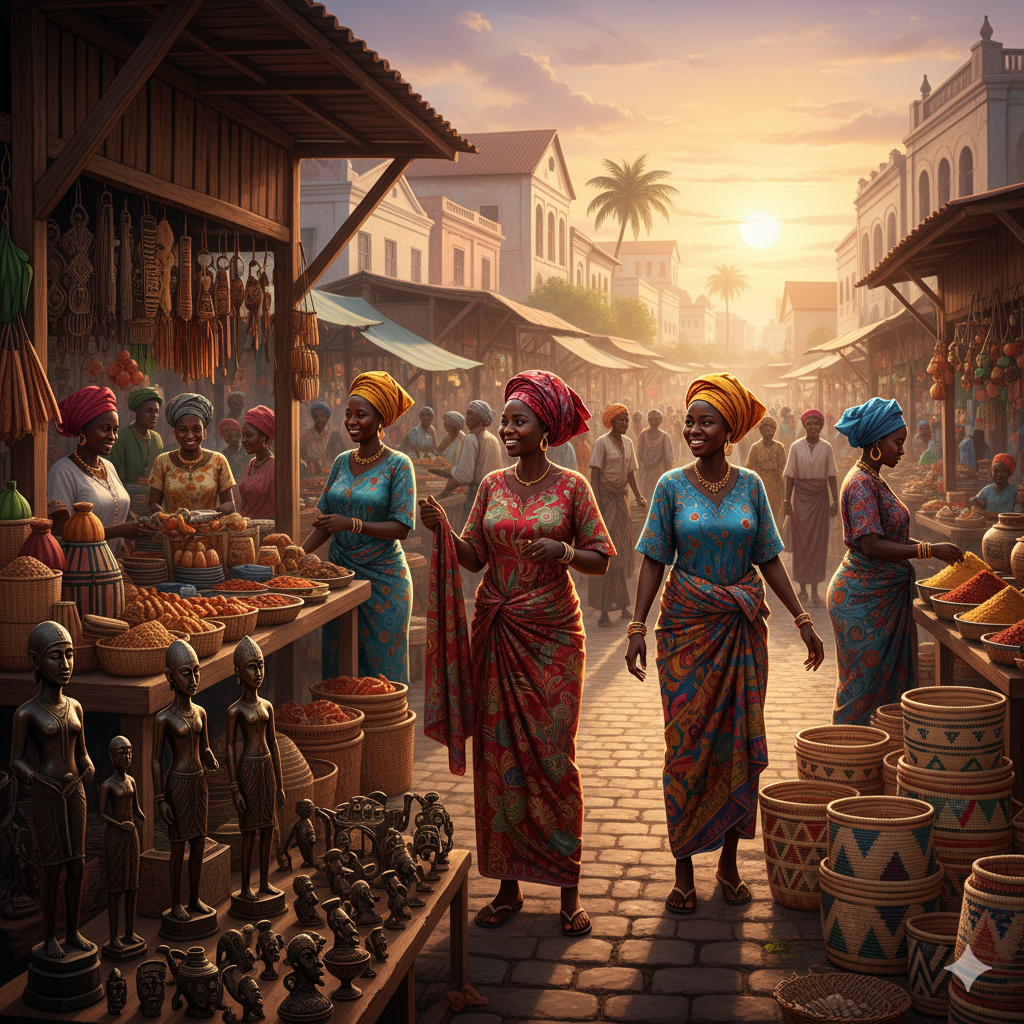
Imagine landing in a country where vibrant markets hum with Fon greetings, colonial forts whisper tales of resilience, and Voodoo rituals pulse with ancestral energy. Benin, a gem of West Africa, welcomes international visitors with open arms and a tapestry of traditions. Whether you’re drawn to its beaches, history, or festivals, this nation offers a cultural adventure unlike any other.
Ready to dive into Benin’s soul? This guide covers everything international visitors need:
- A snapshot of Benin’s rich history and cultural roots.
- Why it’s a must-visit for travelers seeking authentic experiences.
- Practical tips to navigate the country like a seasoned explorer.
- How Malegado’s language tools and cultural insights prepare you for the journey.
History of Benin’s Culture
Benin’s cultural story begins with the Kingdom of Dahomey, a powerful state from the 1600s to 1894. Centered in Abomey, it thrived on trade, including the tragic slave trade through Ouidah’s coast. The Fon, Yoruba, and Ewe peoples shaped a spiritual landscape where Vodoun, a religion of nature and ancestors, took root.
Portuguese traders arrived in the 15th century, naming the region the “Slave Coast.” By the 19th century, French colonization reshaped Porto-Novo and Cotonou, leaving forts and a French lingua franca. Despite suppression, Vodoun endured, influencing global practices like Haitian Vodou.
Independence in 1960 sparked a cultural revival. Leaders like Nicéphore Soglo in the 1990s elevated Vodoun to a national religion, launching events like the Ouidah Voodoo Festival. Today, Benin’s heritage blends African traditions with colonial imprints, from royal palaces to lively Adja music.
This history matters because it fuels Benin’s identity. It’s a land where past and present dance, inviting visitors to learn its stories through festivals, art, and language.
Why Benin Matters for International Visitors Today
Benin shines as a destination for cultural immersion. Its 3.7 million annual tourists in 2025, a 15% rise from prior years, flock to sites like Ganvié’s stilt village and Pendjari National Park. These spots, as National Geographic highlights in its West Africa coverage, showcase sustainable tourism and biodiversity.
For education, Benin offers a masterclass in African resilience. Vodoun’s global diaspora connects visitors to New Orleans or Brazil, making it a hub for heritage studies. Learning French or Fon unlocks deeper exchanges with locals, from market vendors to shrine keepers.
Culturally, Benin fosters pride. Festivals like Ouidah’s draw crowds to celebrate Vodoun, countering stereotypes with vibrant rituals. Economically, tourism supports artisans crafting bronze statues or woven baskets, vital for communities.
Travelers gain perspective here. Benin’s blend of history, spirituality, and warmth challenges Western narratives, making it a transformative stop for global explorers.
Practical Guide and Tips for International Visitors
Before You Go
- Visa & Health: Most nationalities need a visa; apply online via Benin’s e-visa portal. Get yellow fever vaccination (mandatory) and malaria prophylaxis. Pack sunscreen for 85°F coastal heat.
- Timing: Visit from November to February for cooler, dry weather. January aligns with the Ouidah Voodoo Festival, a cultural highlight.
- Flights: Land in Cotonou’s Cadjehoun Airport. Book early for deals from Europe or Lagos, Nigeria.
Getting Around
- Transport: Taxis or shared zémidjans (motorcycle taxis) are cheap but negotiate fares. Rent cars for rural trips like Pendjari. Public buses link Cotonou to Porto-Novo in 45 minutes.
- Safety: Stick to licensed transport. Avoid flashing valuables in markets; petty theft spikes during festivals.
Cultural Etiquette
- Greetings: Learn “Bonjour” (French) or “Akwé” (Fon) to break the ice. Handshakes are common; nod to elders. As this Malegado guide on practicing daily English conversation for fluency suggests, small phrases build big connections, and the same applies to French in Benin.
- Respect: Dress modestly (cover shoulders) at religious sites. Ask before photographing ceremonies, especially Vodoun rituals.
Must-See Spots
- Ouidah: Explore the Python Temple and Door of No Return. Join festival processions for immersive experiences.
- Abomey: Tour UNESCO-listed royal palaces for Dahomey history.
- Ganvié: Boat through the “Venice of Africa,” a stilt village on Lake Nokoué.
- Porto-Novo: Visit the ethnographic museum for Yoruba artifacts.
Practical Tips
- Currency: Use CFA francs; ATMs are in Cotonou but carry cash for rural areas.
- Food: Try akassa (fermented corn) or street grilled fish. Bottled water is a must; avoid tap water.
- Connectivity: Buy MTN or Moov SIM cards for data. Wi-Fi is spotty outside hotels.
Combine visits for efficiency. Pair Ouidah with Cotonou’s Dantokpa Market in a day. Guided tours, like those for Pendjari safaris, ease language barriers and logistics.
How Malegado Helps International Visitors Explore Benin
Malegado transforms your Benin trip with tailored language and cultural tools. Our French courses, from beginner to advanced, teach you to order fufu or ask about Vodoun rituals. Practice phrases like “Où est le temple?” (Where is the temple?) to navigate Ouidah confidently.
Our tutors, many from West Africa, share insights on customs like greeting elders or festival etiquette. They guide you through Fon basics, like “Mi yiyi” (Thank you), for authentic market chats. This hands-on approach mirrors tips in this Malegado article on online English classes for global connection, adapted for French immersion.
Join our community forums to swap stories with travelers who’ve hiked Pendjari or danced at festivals. Our cultural content dives into Benin’s heritage, like its parallels with global traditions in this guide on Spanish culture, traditions, diversity, and modern life.
Malegado is your one-stop platform. Lessons, tutoring, and forums ensure you’re not just visiting Benin but living its culture. Arrive ready to connect, not just observe.
Conclusion
Benin beckons international visitors with its vibrant history, warm people, and spiritual depth. From royal legacies to beachside rituals, it’s a journey of discovery. Let Malegado’s language and cultural tools guide you to experience Benin like a local.