
Cycles of Spirit: The Hypnotic Realm of Mbira Instruments
Mbira instruments loop Shona epics in metal and gourd. Journey through kushaura cycles, kutsinhira interlocks, and bira ceremonies that heal and hypnotize.
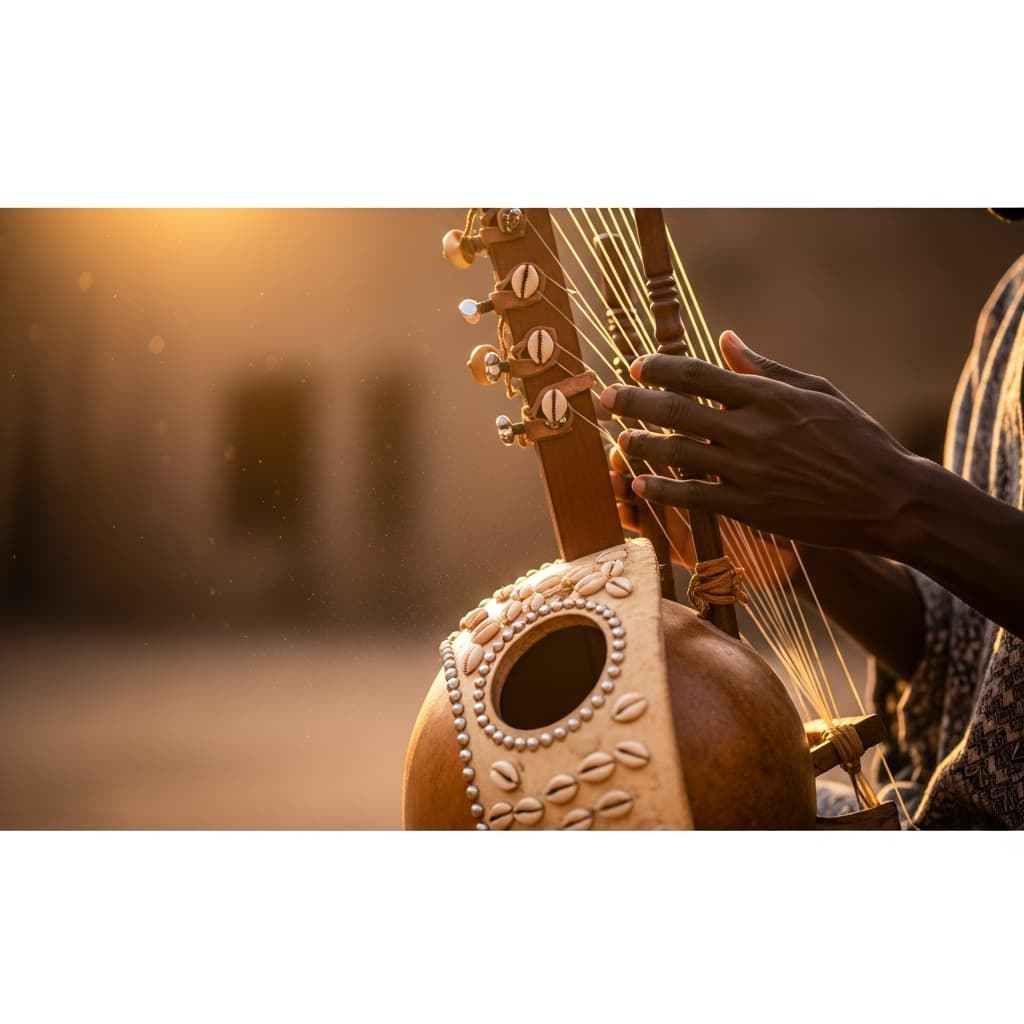
Press a metal tine on an mbira and feel the note bloom into a shimmering loop, the gourd resonator humming like ancestral breath. Mbira instruments are not thumb pianos. They are spirit phones, healing tools, and Shona encyclopedias. From Zimbabwe’s moonlit bira ceremonies to global collaborations with Stella Chiweshe, the mbira cycles through 1,500 years and 10+ variants. Whether you’re learning chiShona through kariga moments or trekking to Great Zimbabwe ruins, mbira instruments tune you to southern Africa’s sonic soul.
Hand-forged from ore, mounted on hardwood, amplified by bottle caps, the mbira layers interlocking patterns into trance. It birthed rock riffs and electronic loops. Let’s pluck the tines through time and timbre.
Ancient Resonances: Origins of the Metal-Tongued Wonder (500 CE – 1500 CE)
Mbira emerges in Great Zimbabwe’s iron-rich hills (11th century), evolving from lamellophones carried by Bantu migrations. Mapungubwe (South Africa, 1250 CE) yields early 9-tine prototypes in gold mines. Shona oral lore credits Nyashanu spirit with gifting the first mbira dzavadzimu “voice of ancestors.”
Karanga clans refine 22–28 tines in heptatonic scale. Zezuru add kushaura (lead) and kutsinhira (interlock) parts. Korekore mount on deze gourds with machachara (shell rattles). UNESCO lists mbira music of Zimbabwe as intangible heritage, preserving bira all-night rituals.
Anatomy & Alchemy: Crafting a Living Cycle
A mbira maker forges each instrument in sacred sequence.
- Soundboard: Hardwood (mukwa/muninga) planed thin vibration core.
- Tines: Recycled umbrella spokes/spring steel 22–34, filed to pitch.
- Bridge: Hardwood/metal bar transmits buzz to board.
- Resonator: Calabash (deze) or fiberglass amplifies overtones.
- Buzzers: Bottle caps/snail shells add machachara rasp.
- Tuning: Heptatonic nyamaropa (G major-ish) or hexatonic dambatsoko.
Players hold in hands, thumbs pluck up, index down kushaura leads, kutsinhira weaves, mahonyera sings high.
Playing Traditions: Kushaura, Kutsinhira, and Spirit Dialogue
Bira ceremony structure:
1. Mapira opening call ancestors.
2. Kushaura cycle foundational loop.
3. Kutsinhira entry interlocking counter-melody.
4. Mahonyera variation high improvisation.
5. Possession spirit arrives via ngoma drums.
Repertoire: Nhemamusasa (war shelter), Kariga Mombe (bull fight), Taireva (we spoke). Modern: Thomas Mapfumo chimurenga with electric mbira.
Regional Variants: An Mbira Atlas
Zimbabwe: Cradle of Complexity
Harare: Mbira dzavadzimu (22 tines, ancestor focus).
Masvingo: Njari (30+ tines, faster cycles).
Mozambique: Border Echoes
Manica: Timbila xylophone-mbira duets.
Maputo: Matepe (24 tines, Sena style).
Zambia/Malawi: Migrant Melodies
Lusaka: Kalimba (smaller, tourist 15-tine).
Lilongwe: Lukumbi with pentatonic tuning.
Diaspora & Fusion
USA: Dumisani Maraire teaches nyunga nyunga (15-tine beginner).
UK: Chartwell Dutiro blends with jazz.
Why Mbira Instruments Matter Today
Mbira heals bira treats depression in rural clinics.
· Tourism earns $20 million Chitungwiza Arts Centre trains 300 youth yearly. Global reach:
· Paul Berliner’s Soul of Mbira (1978) sparks revival; GarageBand includes mbira loops.
· Women lead: Stella Chiweshe breaks male bira taboo.
· Sustainability: Recycled metal tines reduce mining. As BBC Africa notes, mbira preserves chiShona amid English dominance.
· Mbira teaches language kushaura names mimic chiShona verbs.
· It empowers post-war Mozambique uses timbila for peacebuilding.
Hands-On Guide: Play, Forge, Immerse
Start easy. Watch Forward Kwenda YouTube cycles.
Buy nyunga nyunga (15-tine, $50).
Join Harare mbira camps (August).
Forge your own: Source spokes in Mbare market, learn from Erasmus Mutanho.
Tune apps: Mbira Tuner by Garikayi Tirikoti. Pair with language sing Taireva in chiShona.
Stream: Chiwoniso Maraire, Hope Masike. Travel? Bira with Mawungira eNharira in Chitungwiza.
How Malegado Cycles Mbira into Fluency
Malegado turns tines into textbook. Study French for Matepe Mozambique lore. Learn Portuguese for Sena mbira variants. Tutors teach kushaura in chiShona. Forums share nyamaropa tabs. Explore trade’s mbira routes via this Malegado Swahili civilization guide. Translate cycle names across tongues with our French-Portuguese translator article. From virtual bira sessions to pattern-through-language lessons, Malegado loops your path.
The Cycle Never Ends
Mbira instruments are eternity in miniature one kushaura pluck, one kutsinhira weave, one mahonyera flight, and 1,500 years spin. Start cycling on Malegado today. The ancestors are tuning.