
Common Swedish Names: Dive into Culture with Malegado
Learn common Swedish names to dive into Scandinavia’s culture. Start with Malegado’s engaging tLearn common Swedish names to dive into Scandinavia’s culture. Start with Malegado’s engaging tools now!
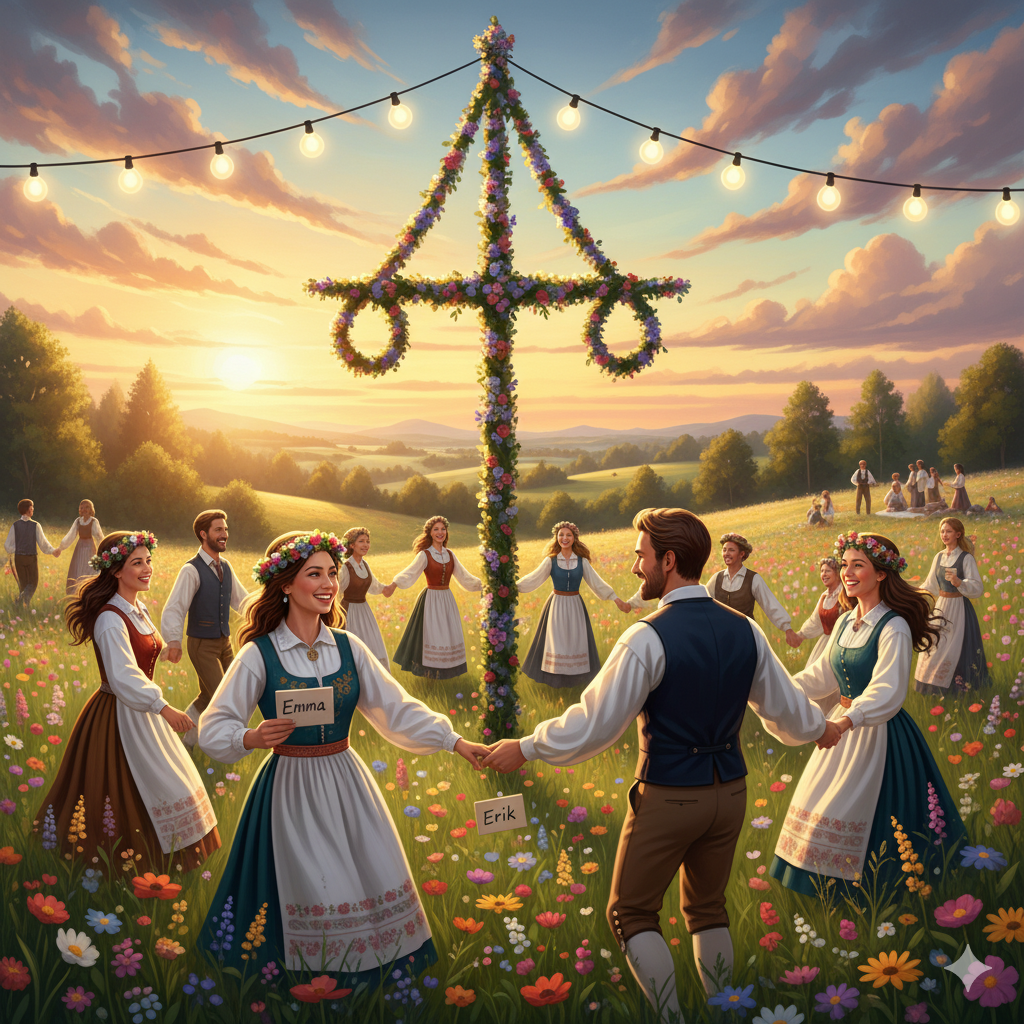
Imagine strolling through Stockholm’s vibrant streets, greeting someone named Emma or Erik, or hearing a name like Astrid during a cozy fika. Common Swedish names carry the heart of Scandinavia’s culture, reflecting history and modern trends. Here’s why exploring these names is a great way to connect with Sweden:
- Build personal connections: Use names to bond with locals authentically.
- Enhance travel experiences: Understand the cultural weight of names at Swedish events.
- Appreciate heritage: Discover how names tie to Sweden’s past and present.
Malegado’s tools make learning about common Swedish names engaging, blending language and cultural discovery. Let’s explore the history of Swedish naming traditions, why these names matter, and how to use them in your Swedish journey.
The History of Swedish Names
Swedish naming traditions date back to the Viking Age, around the 8th to 11th centuries, when names were often inspired by Norse mythology, nature, and heroic qualities. Names like Erik (meaning “eternal ruler”) or Astrid (meaning “divinely beautiful”) were common, drawn from Old Norse roots. During the Middle Ages, Christian influences introduced biblical names like Johan and Maria, blending with local traditions. By the 17th century, Sweden adopted hereditary surnames, often based on patronymics (e.g., Andersson for “son of Anders”) or nature, like “Berg” (mountain).
Over time, Swedish names evolved with cultural exchanges, incorporating influences from German and French naming trends. The 1901 Naming Law standardized naming practices, though modern Sweden allows more flexibility. Today, common Swedish names reflect a mix of historical roots and global trends, with many shared across Scandinavia.
Why Common Swedish Names Matter Today
Common Swedish names are more than identifiers; they’re a window into Sweden’s cultural identity. Names like Emma, Lukas, and Sofia top modern lists, reflecting both tradition and global appeal. For travelers, knowing these names helps you connect with locals during events like Midsummer or visits to cultural sites like the Vasa Museum. Recognizing names in Swedish media, from Astrid Lindgren’s Pippi Longstocking to modern films, adds depth to your cultural experience.
These names also hold professional value, as Sweden’s influence in tech and design grows. Understanding naming conventions can ease interactions in business or academic settings. Malegado’s guide to the Swahili civilization shows how cultural knowledge enhances language learning, much like exploring Swedish names. Similarly, the Colosseum in Rome highlights the link between culture and heritage. For more context, explore BBC’s guide to Swedish traditions.
Practical Tips for Learning Common Swedish Names
Learning common Swedish names is a fun way to dive into the language and culture. Here are some popular names and tips to use them effectively:
- Emma: A top female name, pronounced “EM-mah,” meaning “universal.” Use it in greetings like “Hej, Emma!” to practice friendly interactions.
- Lukas: A common male name, pronounced “LOO-kas,” meaning “light.” Try it in sentences like “Lukas gillar fika” (Lukas likes fika).
- Astrid: A traditional name, pronounced “AHS-trid,” tied to Norse mythology. Practice it when discussing Swedish literature or history.
- Erik: A classic male name, pronounced “EH-rik,” meaning “eternal ruler.” Use it in travel scenarios, like “Erik, var är museet?” (Erik, where’s the museum?).
Practice these names by watching Swedish shows like Wallander or reading name lists in Swedish media. Create flashcards with names and their meanings to reinforce learning. Pair names with basic phrases to build conversational skills.
Overcoming Common Challenges
Swedish names are generally easy to learn, but pronunciation and cultural context can be tricky. The Swedish pitch accent, where tone shifts meaning, affects names like “Anna” (pronounced with a slight melodic rise). Some names, like “Sven,” may feel old-fashioned to younger Swedes, so understanding modern naming trends is key. Patronymic surnames like “Andersson” or “Johansson” can also confuse beginners due to their frequency.
To master these, listen to native speakers on Swedish podcasts or videos. Malegado’s audio lessons and cultural content help you pronounce names correctly and use them in appropriate contexts.
How Malegado Helps with Common Swedish Names
Malegado is your all-in-one platform for learning common Swedish names while immersing yourself in Scandinavian culture. Its interactive lessons introduce names like Emma, Lukas, Astrid, and Erik through engaging modules, teaching pronunciation and cultural significance. You can practice using these names in real-world scenarios, like greetings or introductions, with instant feedback to improve. Malegado’s cultural content, covering Swedish traditions like fika or Midsummer, adds depth to your understanding of naming conventions.
The tutoring feature connects you with native Swedish speakers for personalized coaching, ensuring you pronounce names accurately and use them naturally. Malegado’s community forums let you share name-related insights, ask questions, and connect with others passionate about Swedish culture. Whether you’re preparing for a trip to Stockholm or exploring Swedish heritage, Malegado makes learning names seamless and fun.
Cultural Insights for Swedish Name Learners
Swedish culture values simplicity and equality, reflected in the widespread use of common names like Emma and Erik. These names carry historical weight, often tied to Norse or Christian roots, and are used in everyday settings, from cafés to festivals. Understanding the cultural significance of names like Astrid, linked to literary figures, or Lukas, popular among younger generations, enhances your connection to Sweden.
For travelers, using these names correctly during visits to places like Gamla Stan or the ABBA Museum builds rapport with locals. Saying “Hej, Sofia!” or “Tack, Johan!” during a fika sparks friendly interactions. These names make your Swedish experience more authentic and personal.
Why Invest Time in Learning Common Swedish Names?
Learning common Swedish names is a rewarding way to deepen your language skills and cultural understanding. For travelers, it makes trips to Sweden’s cities, fjords, and festivals more immersive. For students and professionals, it offers insights into Swedish naming conventions, useful in academic or business contexts. Plus, mastering names boosts cultural empathy and conversational confidence.
Sweden’s blend of Viking heritage and modern egalitarianism makes its naming traditions fascinating. From mythological names like Astrid to modern favorites like Emma, these names reflect a culture of connection and history. By learning them, you’re not just memorizing names; you’re stepping into Sweden’s vibrant world.
Wrapping Up: Master Common Swedish Names with Malegado
Common Swedish names like Emma, Lukas, Astrid, and Erik are your gateway to Scandinavia’s language and culture. They help you connect with locals, enjoy traditions like fika, and appreciate Swedish heritage. Malegado’s lessons, tutoring, and cultural resources make learning these names engaging and meaningful. Start your Swedish journey today with Malegado and unlock a world of names and culture!