

Chinese Culture Center: A Gateway to Language and Heritage
Discover Chinese culture centers and learn Mandarin with Malegado. Engage with traditions, arts, and heritage in immersive, hands-on experiences.
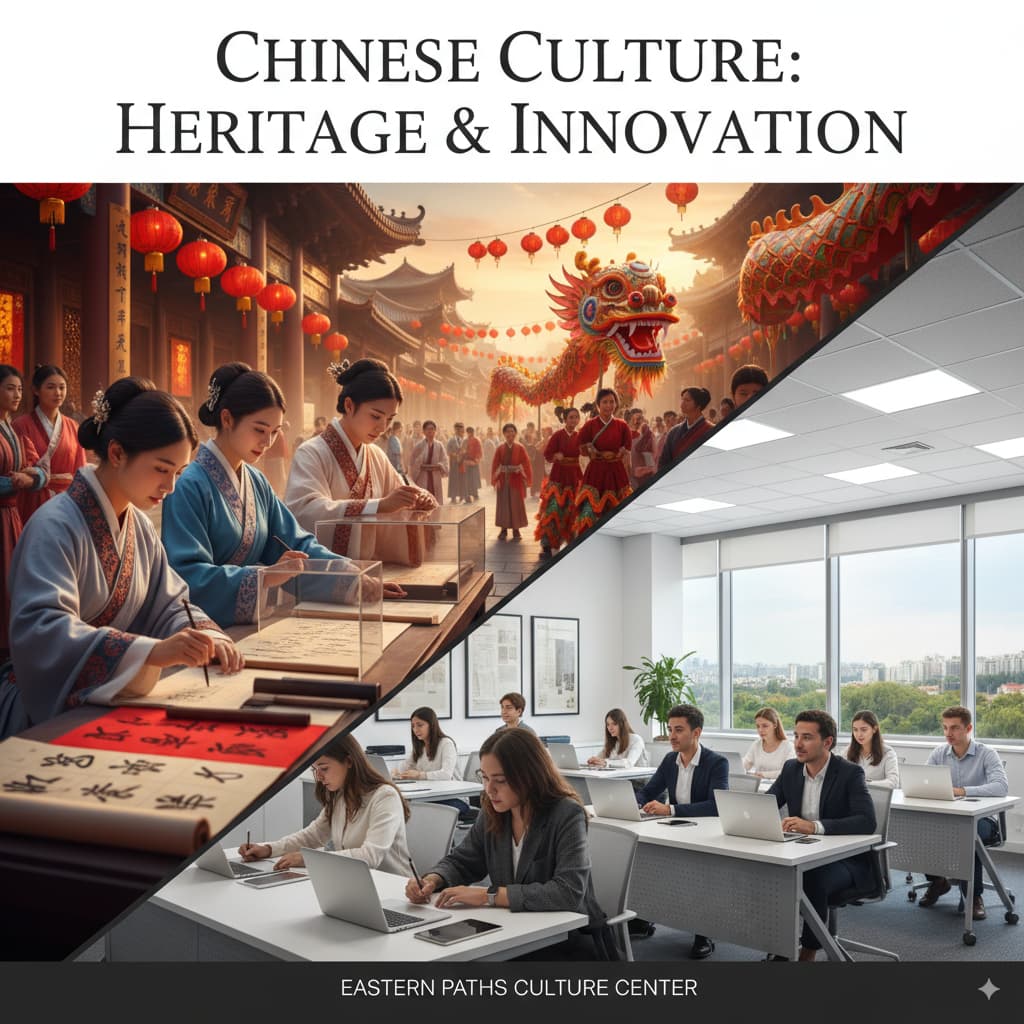
Chinese culture centers serve as vibrant hubs for learning, exploration, and cultural exchange. They offer visitors and students an opportunity to experience the richness of Chinese traditions, language, arts, and history all in one place. Whether you are a language learner, traveler, or cultural enthusiast, a Chinese culture center provides hands-on experiences that bring the past and present of Chinese civilization to life.
The History of Chinese Culture Centers
Chinese culture centers emerged in the 20th century as part of efforts to preserve and promote Chinese culture globally. Governments, universities, and community organizations established these centers to offer structured programs in language, arts, and cultural education.
The main goal was to introduce both locals and international audiences to traditional Chinese practices such as calligraphy, martial arts, music, dance, and festivals. Over time, these centers expanded their focus to include contemporary cultural developments, bridging historical traditions with modern innovations.
Institutions like Confucius Institutes, municipal cultural centers, and university-based programs became pivotal in facilitating cultural understanding. By combining education, performance, and community engagement, Chinese culture centers became essential platforms for learning, diplomacy, and heritage preservation.
Why Chinese Culture Centers Matter Today
In today’s globalized world, Chinese culture centers serve multiple important roles:
- Language Learning: Centers provide structured Mandarin courses that incorporate cultural context, enhancing both comprehension and communication skills.
- Cultural Preservation: Traditional arts, music, and rituals are maintained through workshops, exhibitions, and performances.
- Tourism and Engagement: Cultural centers attract visitors interested in hands-on experiences, from tea ceremonies to festival celebrations.
- Cross-Cultural Exchange: They foster international understanding, allowing visitors to explore Chinese heritage while sharing their own cultural perspectives.
For example, visiting landmarks highlighted in Malegado’s guide to the Forbidden City and Great Wall provides context that complements the educational programs offered by culture centers. These experiences make history tangible and learning immersive.
Programs and Activities Offered
Chinese culture centers host a variety of programs to engage learners of all ages and interests:
- Language Classes: Intensive and conversational Mandarin lessons tailored for beginners to advanced learners.
- Arts and Crafts: Calligraphy, painting, paper cutting, and traditional music classes allow participants to practice cultural arts firsthand.
- Festivals and Events: Celebrate Lunar New Year, Mid-Autumn Festival, and Dragon Boat Festival with cultural performances and workshops.
- Workshops and Seminars: Learn about Chinese philosophy, literature, history, and modern society through lectures and interactive sessions.
- Cultural Tours: Some centers organize trips to historic sites, temples, and museums, providing real-world exposure to cultural heritage.
Practical Tips for Visiting a Chinese Culture Center
To make the most of your visit or study experience:
- Participate Actively: Join workshops, performances, and discussion groups rather than just observing.
- Combine Language with Culture: Practice Mandarin while engaging in traditional arts or guided tours. Malegado’s interactive lessons can complement in-person learning.
- Attend Festivals: Cultural centers often host seasonal events that provide authentic exposure to rituals, food, and entertainment.
- Explore Nearby Landmarks: Complement center activities with visits to heritage sites, enhancing understanding of the culture in context.
- Connect with the Community: Engage with fellow learners and instructors to exchange ideas and experiences.
How Malegado Enhances the Chinese Culture Center Experience
Malegado serves as an excellent companion to the immersive experiences offered by Chinese culture centers:
- Cultural Lessons: Learn Mandarin within historical and social contexts, understanding not only the language but the culture behind it.
- Tutoring Support: One-on-one tutors guide learners through language nuances, idioms, and cultural references.
- Cultural Resources: Articles, podcasts, and multimedia content provide in-depth explorations of Chinese festivals, traditions, and heritage sites.
- Community Platform: Connect with learners globally to discuss experiences, share tips, and participate in cultural exchanges.
By combining online learning with the practical, hands-on programs at culture centers, Malegado ensures a holistic approach that maximizes understanding and appreciation of Chinese heritage.
Conclusion
Chinese culture centers are invaluable spaces for immersive learning, cultural preservation, and global exchange. They provide opportunities to explore language, arts, and history in a way that brings Chinese civilization to life. With Malegado’s lessons, tutoring, and resources, learners can extend this experience beyond the walls of the center, gaining a deep and lasting connection to Chinese culture. Visiting a culture center and using Malegado together offers the perfect pathway for anyone seeking to explore, understand, and appreciate China’s rich cultural heritage.