
Akan History: From Origins to Modern Day
The Ancient Roots of Akan HistoryAkan history begins in the forest regions of West Africa, with evidence of settlements emerging over a thousand years ago. The...
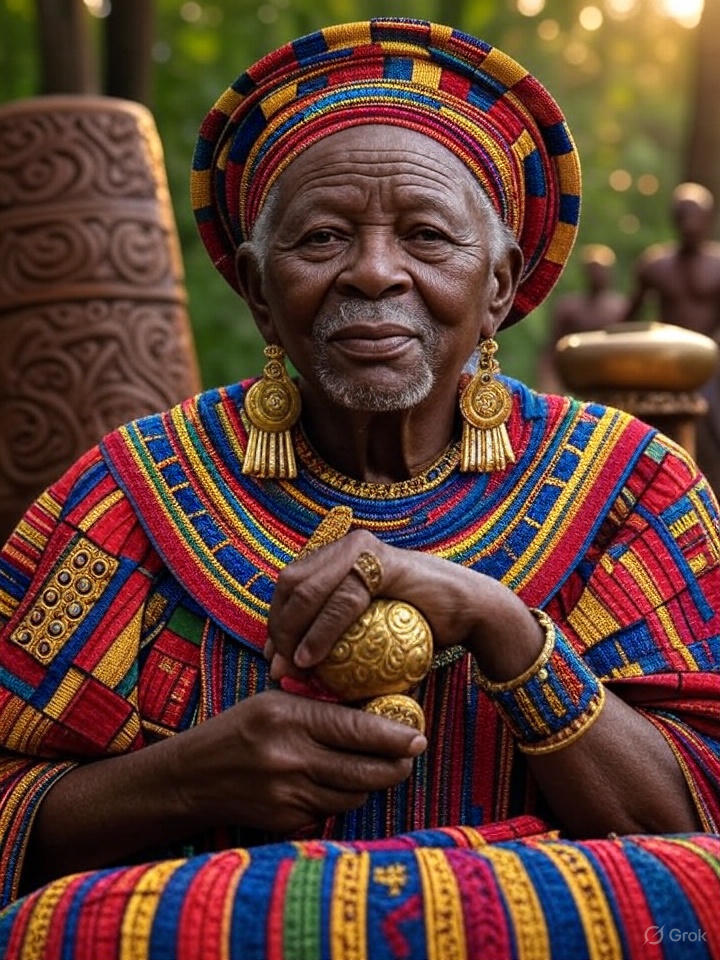
The Ancient Roots of Akan History
Akan history begins in the forest regions of West Africa, with evidence of settlements emerging over a thousand years ago. The Akan people, ancestors of modern groups like the Ashanti and Fante, developed early communities skilled in agriculture and trade. Archaeological finds, such as pottery and iron tools, suggest a society thriving by the 10th century. These humble beginnings laid the groundwork for the rich Akan history that would follow.
Rise of the Akan Kingdoms
By the 13th century, Akan history saw the growth of powerful states. The Bono Kingdom, one of the first, became a center for gold trade, influencing the region’s economy. The Ashanti Empire emerged in the 17th century, uniting Akan clans under the Asantehene. This empire expanded through military conquest and diplomacy, peaking in the 18th century. Gold weights and royal stools from this era reflect the sophistication of Akan history.
The Impact of the Transatlantic Slave Trade
Akan history took a dramatic turn with the transatlantic slave trade in the 16th to 19th centuries. Many Akan were captured and sold, spreading their influence to the Americas. In Jamaica and Suriname, Akan resistance and cultural practices shaped maroon communities. The trade weakened some Akan states but also highlighted their resilience. This period remains a pivotal chapter in Akan history.
Colonial Era and Resistance
European colonization in the 19th century marked a challenging phase in Akan history. The British annexed the Gold Coast, including Ashanti territory, after the Anglo-Ashanti Wars (1824–1900). The Akan resisted fiercely, with the 1900 Yaa Asantewaa War led by the queen mother of Ejisu. Despite eventual British control, Akan identity and governance structures persisted, shaping their history under colonial rule.
Independence and Modern Akan History
Akan history entered a new phase with Ghana’s independence in 1957. The Ashanti region played a key role, with leaders like the Asantehene supporting national unity. Post-independence, the Akan adapted to modernization while preserving traditions. Urbanization and education brought changes, yet Akan kings and councils remain influential. This evolution reflects the adaptability of Akan history.
Cultural Legacy in Modern Times
Today, Akan history lives on through culture and language. The Twi and Fante dialects are widely spoken, taught in schools and used in media. Festivals like Odwira and Aboakyer celebrate historical pride with dances and drumming. Art forms, such as Adinkra cloth and gold craftsmanship, connect modern Akan to their past. This cultural continuity is a testament to their enduring history.
Challenges Facing Akan History
Akan history faces threats from globalization and urban growth. The rise of English and Western influence can erode language and traditions. Land disputes and economic shifts also challenge cultural preservation. Yet, efforts to document oral histories and promote education keep Akan history alive. These initiatives ensure its legacy endures.
Connecting with Akan History
To explore Akan history, dive into its stories. Watch documentaries on the Ashanti Empire or visit museums with gold weights. Read about Yaa Asantewaa’s resistance or listen to Akan music. A trip to Kumasi, the Ashanti capital, offers a firsthand look at this history. These experiences bring Akan history closer.
Learn Akan with Malegado
Akan history, from ancient kingdoms to modern resilience, offers a fascinating journey through Ghana and Ivory Coast’s past. To learn the Akan language and deepen your understanding, Malegado is your guide. Malegado provides resources, courses, and cultural insights to support your exploration. Visit Malegado to start connecting with Akan history today.
Conclusion
Akan history spans from ancient settlements to a modern cultural force, marked by kingdoms, resistance, and adaptation. The Ashanti Empire’s rise, the slave trade’s impact, and colonial struggles shaped this legacy. Today, Akan culture thrives, preserving its past. Malegado offers a path to learn Akan and engage with this rich history. Embrace the journey and discover the depth of Akan history.