
African Musical Instruments: Heartbeat of Tradition
African musical instruments form the heartbeat of the continent’s traditions, carrying centuries of cultural identity, spirituality, and storytelling.
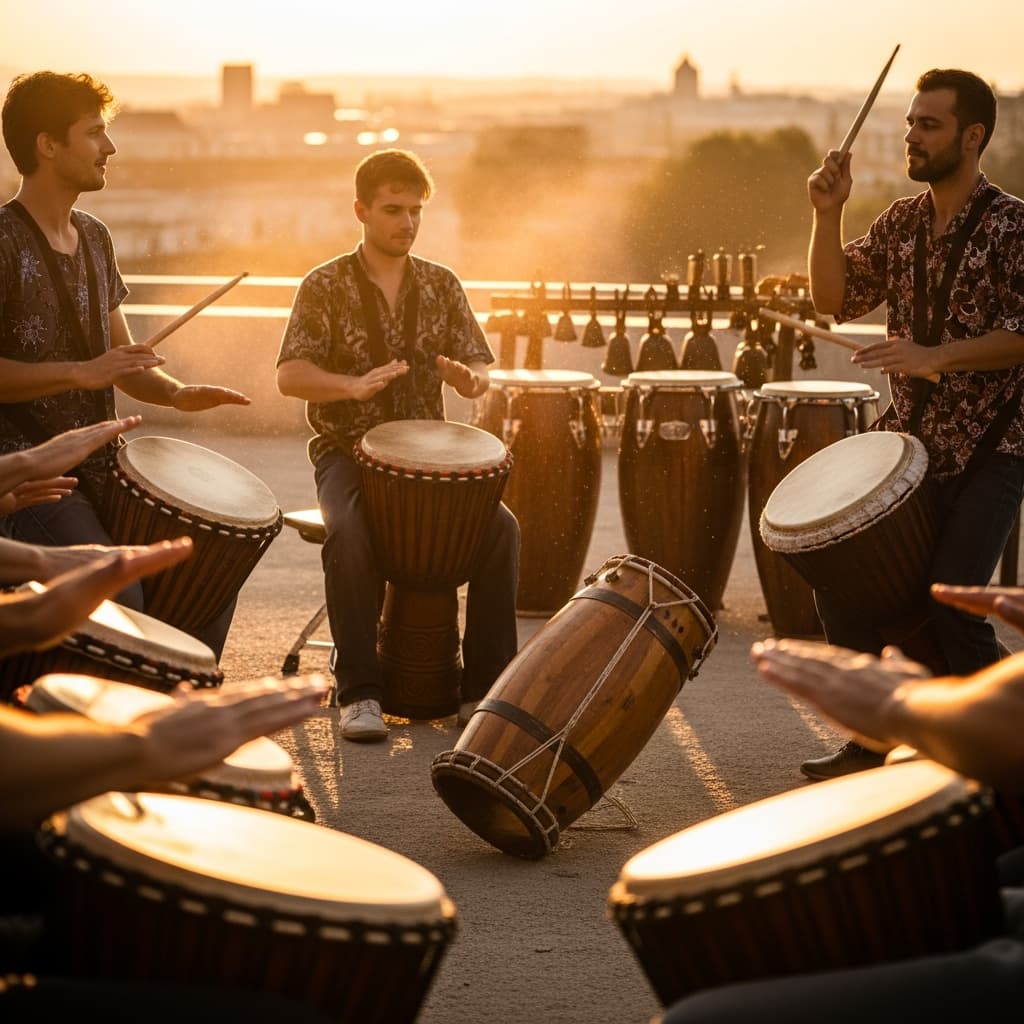
African musical instruments form the heartbeat of the continent’s traditions, carrying centuries of cultural identity, spirituality, and storytelling. From royal ceremonies in West Africa to healing rituals in Southern Africa, music has always served as a powerful connector—linking people to their ancestors, nature, and each other.
These instruments are more than tools for creating sound.
They are symbols of heritage, crafted with meaning, played with intention, and passed down through generations.
This article explores the most iconic traditional African instruments, how they are made, and the cultural significance behind their rhythms.
1. The Djembe: The Drum That Speaks to Every Soul
The djembe, originating from the Mandé people of West Africa, is one of Africa’s most widely recognized drums.
What Makes the Djembe Special?
- Carved from a single piece of hardwood
- Covered with goatskin for a powerful tone
- Played with bare hands
- Produces bass, tone, and slap sounds
Traditionally, the djembe is used in:
- Celebrations
- Initiation ceremonies
- Storytelling
- Dance gatherings
Folklore says:
“The djembe contains three spirits: the tree, the animal, and the drum maker.”
2. The Mbira: Voice of the Ancestors
The mbira, also known as the thumb piano, originates from the Shona people of Zimbabwe.
This beautiful instrument features:
- Metal keys mounted on a wooden soundboard
- A calabash resonator
- Gentle, melodic tones
The mbira is used in:
- Rituals to call ancestral spirits
- Healing ceremonies
- Social and spiritual gatherings
Its sound is believed to bridge the physical and spiritual worlds.
3. The Kora: Africa’s 21-String Harp
The kora is one of Africa’s most elegant and complex musical instruments, played by Griots—West African historians, praise singers, and storytellers.
Features:
- 21 strings
- A large calabash cut in half and covered with cowhide
- Played with both hands like a harp
The kora’s music is soft, flowing, and spiritual.
It accompanies:
- Epic tales
- Royal ceremonies
- Cultural preservation through song
Griots are often referred to as “living libraries” because they use instruments like the kora to keep history alive.
4. Talking Drum: The Drum That Imitates Human Speech
The talking drum is one of the most unique instruments in the world.
Why?
Because it can mimic the tone and rhythm of human language.
It is played by squeezing the cords under the arm while striking the drum, allowing the pitch to change.
Uses:
- Communication between villages
- Praise singing
- Dance and royal events
- Storytelling
Historically, messages could travel miles through sequences played on talking drums.
5. Balafon: The African Xylophone
Originating from Mali and Guinea, the balafon is similar to a xylophone but uses:
- Wooden bars
- Calabash gourds underneath to amplify sound
- Mallets for playing
The balafon is central in:
- Festivals
- Royal performances
- Traditional dances
Its bright, joyful sound makes it a favorite across West Africa.
6. Udu Drum: The Drum of Water and Air
The udu comes from the Igbo people of Nigeria.
Made from clay, it produces deep, resonant tones created by moving air through its holes.
It is used in:
- Ceremonial worship
- Storytelling
- Cultural dances
The udu is often associated with femininity, as it was traditionally played by women.
7. Shekere: Rhythm of Beads and Calabash
The shekere is a gourd covered with a beaded net that creates sound when shaken or slapped.
It is popular in:
- West African dance
- Ceremonial music
- Contemporary Afro-fusion music
Its rhythmic patterns are central to many African celebratory events.
Cultural Significance of African Musical Instruments
African instruments are deeply symbolic and play roles in:
✔ Storytelling and preserving history
✔ Spiritual and ancestral communication
✔ Ceremonial rites (birth, marriage, initiation)
✔ Healing rituals
✔ Social bonding and celebration
They connect sound to identity, spirituality, and memory.
Conclusion
From the powerful beats of the djembe to the spiritual hum of the mbira, African musical instruments capture the soul of the continent. Each instrument tells a story of people, land, heritage, and tradition.
They are not just musical tools; they are living symbols of Africa’s cultural heartbeat.