
Acropolis of Athens, Greece: A Timeless Symbol of History and Culture
Experience the Acropolis of Athens, Greece. From the Parthenon to panoramic city views, explore history, culture, and travel tips with Malegado for an unforgettable visit.
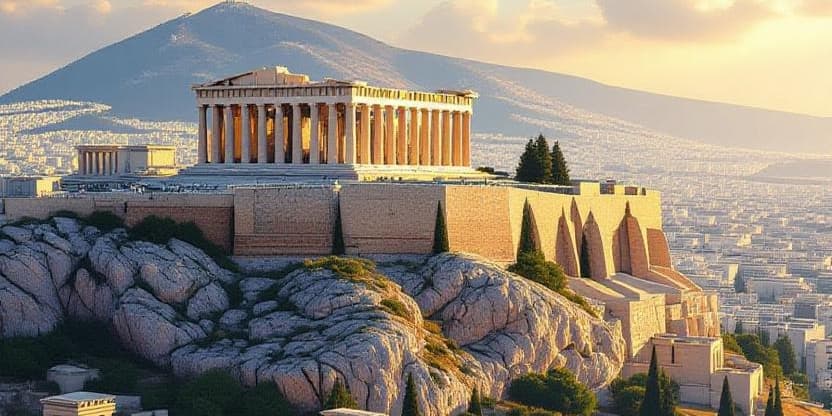
The Acropolis of Athens is one of the most iconic landmarks in Europe and a symbol of ancient Greek civilization. Perched on a rocky hill above the city of Athens, it has stood for thousands of years as a testament to Greece’s rich history, architectural brilliance, and cultural heritage.
- Located in the heart of Athens, Greece
- Dates back to the 5th century BCE, primarily during the Golden Age of Athens
- UNESCO World Heritage Site and one of the most visited historical sites in Europe
For travelers planning their visit, malegado
offers practical tips and insights to make the most of this historic journey.
History and Significance
The Acropolis, meaning “high city” in Greek, was the religious and cultural center of ancient Athens. It housed several significant temples and structures, including the Parthenon, the Erechtheion, and the Temple of Athena Nike.
- Parthenon: Dedicated to the goddess Athena, a masterpiece of Doric architecture
- Erechtheion: Famous for its Caryatids, sculpted female figures supporting the porch
- Temple of Athena Nike: Celebrates victory and protection for Athens
The Acropolis was not only a religious center but also a symbol of democracy, philosophy, and artistic achievement. Its history is intertwined with some of the greatest thinkers and leaders of ancient Greece.
Architectural Wonders
The Acropolis is renowned for its architectural sophistication and the harmony of its structures. Each temple and monument reflects advanced engineering and artistic excellence.
- Parthenon: Marble columns, intricate friezes, and sculptures depicting mythological battles
- Erechtheion: Asymmetrical design respecting the natural terrain, with graceful Caryatids
- Propylaea: Grand entrance to the Acropolis, blending function and aesthetic beauty
Visitors can marvel at these ancient structures and imagine the city of Athens at the height of its power and cultural influence.
Visiting the Acropolis
Today, the Acropolis attracts millions of visitors every year. Its elevated location offers panoramic views of Athens, making it not only historically significant but also visually breathtaking.
- Best time to visit: Early morning or late afternoon to avoid crowds and enjoy pleasant weather
- Access: Tickets include entry to several key monuments; guided tours recommended
- Nearby attractions: The Acropolis Museum, Plaka neighborhood, and Ancient Agora
Planning your trip is easier with guides and recommendations from malegado
, helping visitors navigate the site efficiently.
Cultural Impact
The Acropolis of Athens has influenced art, architecture, and philosophy for centuries. It is a symbol of human achievement and inspiration, appearing in countless works of art, literature, and education.
- Global recognition: UNESCO World Heritage Site since 1987
- Architectural influence: Inspired neoclassical buildings worldwide
- Symbol of Greece: Represents democracy, philosophy, and cultural identity
For history enthusiasts and casual travelers alike, the Acropolis offers a profound glimpse into the achievements of ancient Greece and its lasting legacy. Resources and travel tips are available at malegado
to enhance your visit.
Why the Acropolis of Athens Captures the World’s Imagination
The Acropolis stands as a bridge between the past and the present. Visitors feel a connection to the thinkers, artists, and leaders who shaped Western civilization. Its combination of historical importance, architectural grandeur, and scenic location ensures it remains one of the most treasured landmarks in the world.
- Historical depth: Thousands of years of continuous significance
- Architectural beauty: Harmonious design and timeless artistry
- Inspiration: Evokes curiosity, learning, and admiration for human creativity
A visit to the Acropolis is not just sightseeing, it’s an encounter with history, philosophy, and culture at its finest.