
Ouidah Culture Voodoo: Unraveling Benin's Spiritual Heart
Discover Ouidah culture, Voodoo, Benin's cradle of spiritual traditions with pythons, masks, and ancestor rites. Uncover history, tips for sites like the Door of No Return, and how to connect authentically.
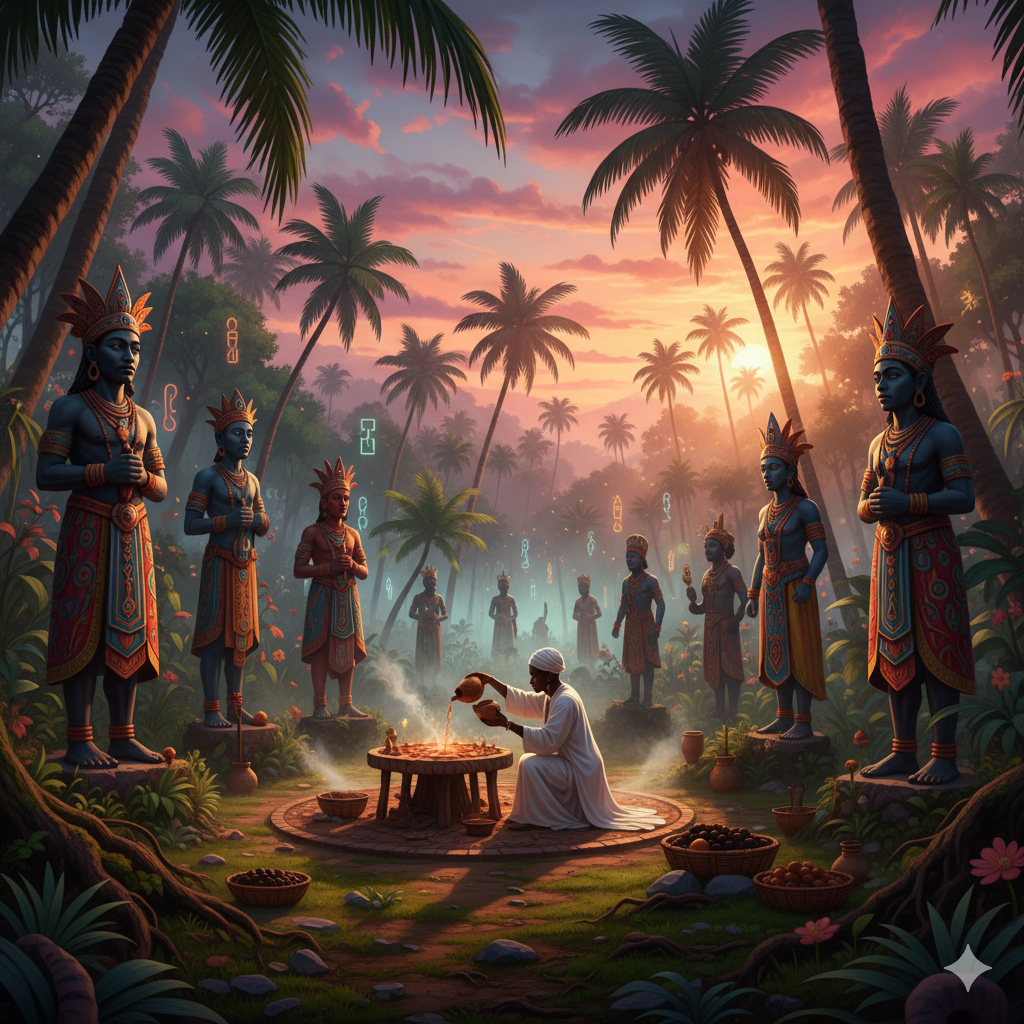
Feel the rhythm of drums calling to unseen forces or drape a sacred python across your shoulders in a temple glowing with candlelight. Ouidah culture Voodoo pulses through every corner of this coastal Benin town, blending ancient rites with everyday life. It's not the Hollywood curse you might imagine, but a vibrant faith honoring ancestors, nature, and harmony.
Drawn to the mystical side of travel? This guide uncovers Ouidah culture Voodoo:
- It's deep historical roots in the Kingdom of Dahomey and beyond.
- The ways it shapes modern Benin, from festivals to global ties.
- Practical tips for respectful exploration of sacred sites.
- How Malegado's tools deepen your cultural and linguistic dive.
History of Ouidah Culture Voodoo
Ouidah culture Voodoo, or Vodoun, traces back to the Fon and Ewe peoples around the 17th century in the Kingdom of Dahomey. Emerging from animist beliefs, it views the world as alive with spirits, or loa, who mediate between humans and the supreme creator Mawu. Priests, known as houngans, used rituals with herbs, dances, and offerings to seek guidance or healing.
The kingdom made Ouidah a bustling slave port, shipping millions across the Atlantic from the 1600s to 1800s. Enslaved Fon carried Vodoun to Haiti, Cuba, and Louisiana, evolving it into distinct traditions like Haitian Vodou. In Benin, French colonizers from 1894 suppressed it, forcing ceremonies into hiding during the Marxist era under Kérékou in the 1970s.
Revival came in 1991 with the Ouidah '92 International Festival of Vodun Arts and Cultures, sponsored by UNESCO. President Nicéphore Soglo officially recognized Vodoun as a religion in 1996, establishing January 10 as National Vodoun Day. This shift turned Ouidah, once a site of sorrow at the Door of No Return, into a spiritual capital where history heals through celebration.
Today, Vodoun's legacy endures in Ouidah's temples and markets, a testament to resilience. It evolved from royal courts to a global faith, influencing art and music while preserving core rituals like possession dances.
Why Ouidah Culture Voodoo Matters Today
Ouidah culture Voodoo anchors Benin's identity for over 60% of its people, blending with Christianity in syncretic practices. It promotes balance, using spirits for community healing and environmental respect, like honoring Mami Wata for ocean conservation. In a world of climate challenges, these rituals remind locals of nature's sacredness.
Globally, it draws the African diaspora home. The annual Vodun Days in January 2024 attracted thousands, fostering reconnection amid rising interest in roots tourism. As Britannica details in its entry on Ouidah, the town remains Vodou's spiritual hub, linking Benin's coast to diasporic communities in Brazil and the U.S.
Educationally, it challenges stereotypes, sparking studies in anthropology and African religions. Festivals boost pride, with dances and masks showcasing artistic heritage. Tourism sustains artisans crafting fetishes, while cultural exchanges build tolerance.
In daily life, Vodoun guides decisions, from herbal remedies to crossroads offerings for Legba, the gatekeeper spirit. It matters because it weaves spirituality into progress, turning a painful past into a source of strength and unity.
Practical Guide and Tips for Exploring Ouidah Culture Voodoo
Start with the Temple of Pythons, home to 60 sacred snakes embodying the spirit Dan. Entry costs about 1,000 CFA francs; drape one around your neck for a blessing, but ask first. Visit early mornings when priests perform quiet invocations.
Walk the Route des Esclaves, a 4 km path from Ouidah's market to the beach. Stop at the Tree of Oblivion, where slaves circled to forget their homeland, and end at the poignant Door of No Return memorial. Guided tours, around 5,000 CFA, add context on Vodoun's role in resistance.
Head to Kpasse Sacred Forest for ancestor shrines and voodoo statues of gods like Sakpata, linked to healing. Touch the central tree for wishes, leaving a small offering like palm wine. Combine with the Ouidah History Museum in a former Portuguese fort for artifacts on Dahomey's Vodoun kings.
Respect rules: Dress modestly, covering shoulders and knees at temples. Seek permission for photos during rituals; flashes disrupt trances. Women, avoid temples during menstruation.
Time your trip for Vodun Days on January 9-10, when Zangbeto guardians spin in raffia costumes and Egungun masqueraders channel spirits. Book accommodations early; Hotel Bel Azur offers beach views near sites.
Health prep includes yellow fever shots and malaria meds. Use zémidjans for short hops, but negotiate to 500 CFA. Try local foufou with grilled fish post-tour, and learn "Akwé" (hello in Fon) for warm welcomes.
These steps make exploration meaningful. They honor Ouidah's spirits while enriching your own journey.
How Malegado Helps You Engage with Ouidah Culture Voodoo
Malegado unlocks Ouidah culture Voodoo through immersive French and Fon lessons. Practice phrases like "Comment honorez-vous les loa?" (How do you honor the spirits?) to chat with priests at the Python Temple. Our bite-sized modules cover Vodoun terms, turning visits into dialogues.
Tutoring pairs you with Benin natives for virtual tours of rituals, explaining Egungun dances or Legba's role. Build confidence in cultural exchanges, similar to honing spoken skills in this Malegado guide on spoken English near me for local fluency.
Our community forums connect you with festival-goers sharing tips on Zangbeto sightings. Dive into content linking Vodoun to global faiths, echoing traditions in this article on Spanish culture, traditions, diversity, and modern life.
Malegado stands as your complete companion. Lessons, tutors, and networks blend language with lore, preparing you to respect and revel in Ouidah's magic.
Conclusion
Ouidah culture Voodoo invites you into a world where spirits dance with history, healing old wounds through vibrant rites. It reveals Benin's soul, urging deeper connections across cultures. Start your exploration with Malegado and let Vodoun's wisdom light your path.